

How to Wash Your Dog Properly: A Complete Step-by-Step Guide
Bringing a furry friend into your life is a wonderful experience, but caring for their hygiene can sometimes feel overwhelming—especially when it comes to bath time. Many dog owners wonder if they’re doing it right, worried about hurting their pet or making the experience stressful for both sides. The truth is, giving your dog a proper bath isn’t just about keeping them looking cute; it’s essential for their health, comfort, and happiness. Proper bathing helps eliminate dirt, loose fur, and parasites, promotes healthy skin, and even prevents unpleasant odors from lingering.
In this comprehensive guide, we’ll walk you through every step of washing your dog properly—from preparing your canine companion to maintaining their coat between baths. Whether you’re a first-time dog owner or someone looking to improve their grooming routine, these actionable tips will help you turn bath time into a positive, bonding experience. By following these detailed instructions, you’ll ensure your dog’s cleanliness, comfort, and well-being while making the process easier and more enjoyable for both of you.
Let’s dive into the essential aspects of dog bathing—starting with how to prepare your dog and set up for a smooth bath.
Preparing Your Dog and Setting Up for Bath Time
Preparation is key to making bath time a success. Before you even turn on the water, spend some time getting your dog comfortable with the idea of being bathed. If your dog is new to grooming or anxious around water, introduce them to the process gradually. For example, let them sniff the bathing supplies beforehand, or give a treat to associate bath time with positive feelings. This helps reduce stress and encourages cooperation during the actual wash.
Next, gather all your supplies before starting. Having everything within arm’s reach prevents unnecessary movement that could spook your dog or cause accidents. Your essential supplies should include dog-specific shampoo, a non-slip mat, a towel or two, a brush or comb, and possibly some treats or toys to keep your dog calm and distracted. If your dog has long hair or thick fur, consider a detangling spray or conditioner. Setting up the bathing area—whether it’s a bathtub, sink, or outdoor tub—at a comfortable height reduces strain on your back and makes the process more manageable.
Safe and effective bathing also involves choosing the right location. Make sure the space is warm, free of drafts, and well-lit, so you can monitor your dog’s reactions and ensure thorough cleaning. If you’re bathing your dog outdoors, pick a shaded spot to prevent the water from cooling too quickly. Keep water temperature lukewarm (around 90-100°F or 32-38°C), as water that’s too hot or cold can be uncomfortable or even harmful to your pet’s sensitive skin. Always have a towel ready for quick drying and a brush on hand for grooming during or after the bath.
Selecting the Right Dog Shampoo and Bathing Supplies
Choosing the appropriate bathing supplies is crucial for your dog’s health and comfort. Not all shampoos are created equal; using human shampoo or generic soap can strip your dog’s skin of natural oils or cause irritation. Look for shampoos formulated specifically for dogs—these are pH-balanced to suit their skin’s needs, which is typically less acidic than human skin. For dogs with sensitive skin, opt for hypoallergenic, fragrance-free, or medicated shampoos recommended by your veterinarian.
Beyond shampoo, you’ll need a few other supplies to facilitate a smooth bath. A non-slip mat placed in the tub or bathing area helps prevent slips and injuries, especially for older or less steady dogs. A gentle brush or comb is useful for removing loose fur and preventing mats before the bath begins. Using a handheld showerhead or a detachable spray nozzle allows better control over water flow, making rinsing more efficient and less stressful for your dog. Keep a cup or small container nearby to pour water gently over tricky areas, like their face and ears.
When shopping for bathing supplies, consider your dog’s specific needs. For example, if your pet has skin conditions such as dermatitis or allergies, consult your vet for specialized shampoos or treatments. For long-haired breeds, a conditioner or detangling spray can make grooming easier and promote a shiny, healthy coat. Remember, investing in quality grooming products not only enhances the effectiveness of the bath but also helps maintain your dog’s coat and skin in top condition between baths.
Step-by-Step Guide to Washing Your Dog Safely and Effectively
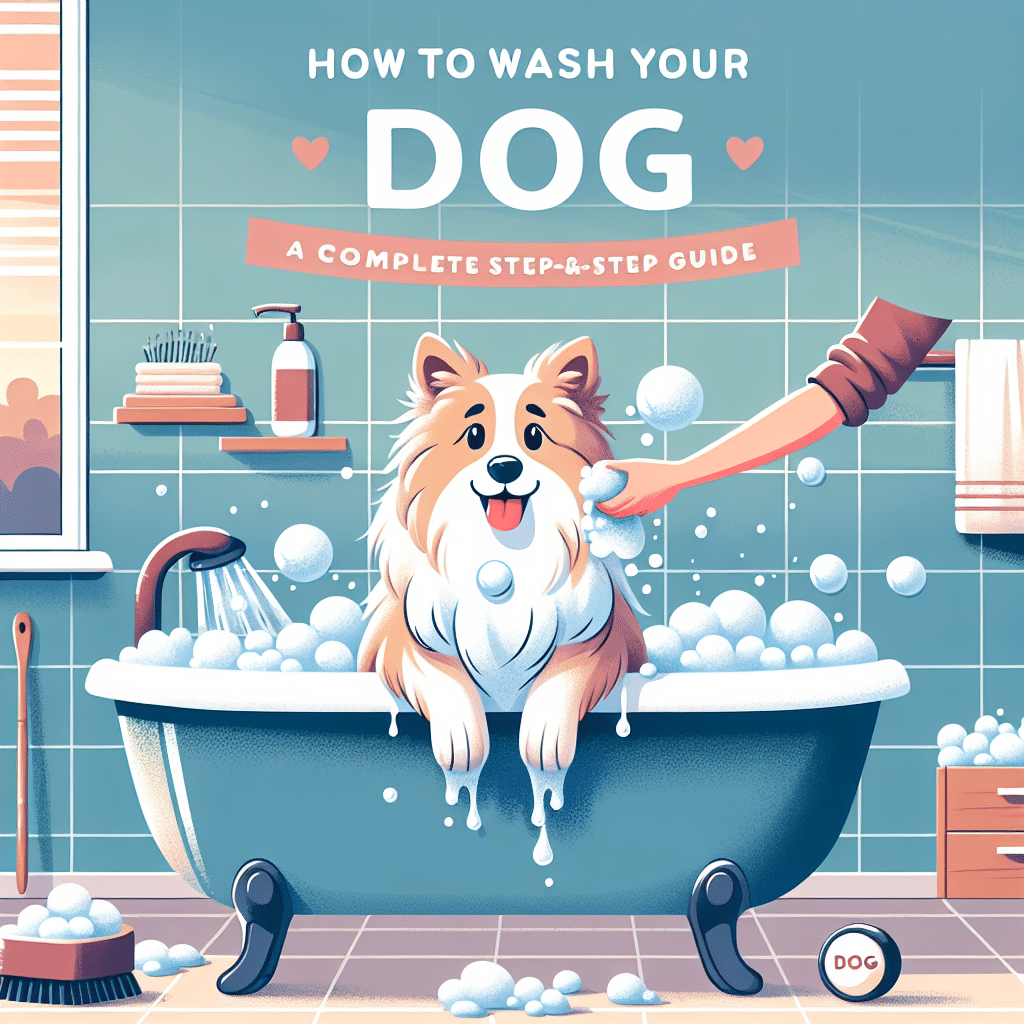
Now that you’re prepared and equipped, it’s time to dive into the actual washing process. Start by gently wetting your dog’s body using lukewarm water. Avoid pouring water directly on their face, ears, or eyes—use a damp cloth or cup for these delicate areas. Be patient and calm, speaking softly to reassure your pet as you work your way through the bathing process. Ensuring thorough, even wetting helps remove excess dirt and oils, making shampooing more effective.
Apply the dog-specific shampoo in a gentle massaging motion, starting at the neck and working your way down the body. Be careful around sensitive areas such as the face, ears, and genitals—use a damp cloth for cleaning these parts instead of applying shampoo directly. Pay special attention to areas prone to dirt buildup, like the paws, underarms, and behind the ears. Massage the shampoo into a rich lather, which not only cleans but also stimulates blood flow to the skin, promoting overall health.
Next, rinse thoroughly. Residual shampoo can cause irritation or itching, so spend extra time making sure all of it is washed away. Use clean, lukewarm water and a gentle stream to remove every bit of soap from your dog’s coat. Once rinsing is complete, check for any missed spots and reapply shampoo if necessary. For dogs with thick or long fur, consider a second lathering to ensure deep cleaning. Finally, gently squeeze out excess water—avoid rubbing vigorously, which can tangle fur or irritate the skin—then move on to drying and grooming.
Drying and Brushing Your Dog Post-Bath
Drying your dog properly after a bath is just as important as the washing itself. Use a soft, absorbent towel to gently pat your dog dry, removing excess water without rough rubbing that could damage the skin or fur. For long-haired breeds, a microfiber towel is especially effective at soaking up moisture quickly. If your dog tolerates it, a blow dryer on a low, cool setting can speed up the process, but always keep the nozzle moving to prevent overheating or burning sensitive areas. Never leave a hot air dryer in one spot, as this can cause discomfort or injury.
Once your dog is mostly dry, brushing becomes essential to prevent matting and distribute natural oils across their coat. Use a brush suited for your dog’s fur type—slicker brushes for long or thick fur, or bristle brushes for shorter coats. Gently work through tangles or mats, starting at the ends of the hair and gradually working your way toward the skin. This not only keeps your dog looking tidy but also stimulates skin health and promotes a shiny coat. Regular brushing also helps remove loose fur, reducing shedding and keeping your home cleaner.
Post-bath grooming provides a perfect opportunity to check your dog’s skin for signs of irritation, parasites, or abnormalities. While brushing, look for redness, bumps, or unusual lumps. If you notice anything concerning, consult your veterinarian promptly. Offering treats and praise during this process makes grooming a positive experience, encouraging your dog to stay calm and cooperative during future baths and grooming sessions.
Tips for Maintaining a Clean and Healthy Coat Between Baths
Maintaining your dog’s cleanliness and coat health between baths is an ongoing process that can make bath time easier and less frequent. Regular brushing not only reduces shedding but also distributes natural oils, keeping your dog’s coat shiny and healthy. Depending on your dog’s breed and coat type, aim to brush at least once or twice a week. Long-haired breeds may require more frequent grooming to prevent mats and tangles, while short-haired dogs might need less upkeep but benefit from routine inspections for dirt or skin issues.
Wiping your dog down with pet-safe wipes or a damp cloth can help remove dirt and loose fur from their coat during daily walks or outdoor play. This is especially useful during periods when bathing isn’t practical or necessary. Keeping their bedding clean and free of dirt also contributes to overall hygiene, reducing the need for frequent baths. Consider using a vacuum or lint roller to keep your home free of hair and dander, especially if your dog sheds heavily.
Finally, a healthy diet rich in omega-3 fatty acids, vitamins, and minerals can significantly improve your dog’s coat condition and skin health. Consult your vet about appropriate supplements if your dog’s coat appears dull or if they have skin issues. Regular check-ups, a balanced diet, and an attentive grooming routine will ensure your furry friend stays clean, comfortable, and happy between baths. Remember, a little effort every day goes a long way in keeping your dog’s coat shiny and healthy—making bath days less stressful and more effective.
Conclusion
Bathing your dog properly is an essential part of responsible pet ownership that goes beyond just keeping them clean. Proper preparation, selecting suitable supplies, and following a step-by-step process can turn bath time into a bonding experience rather than a chore. Remember to use dog-specific shampoos, set up a safe and comfortable environment, and handle your dog with gentle care throughout the process. Drying and brushing post-bath help maintain a healthy, shiny coat, while consistent maintenance between baths ensures your dog stays fresh and comfortable longer.
By investing time and patience into your dog’s bathing routine, you’re not only enhancing their health but also strengthening your bond. Regular grooming, combined with a balanced diet and routine health checks, lays the foundation for a long, happy, and healthy life for your furry friend. So next time you’re gearing up for bath time, keep these tips in mind—your dog will thank you with wagging tails, shiny fur, and good health.