


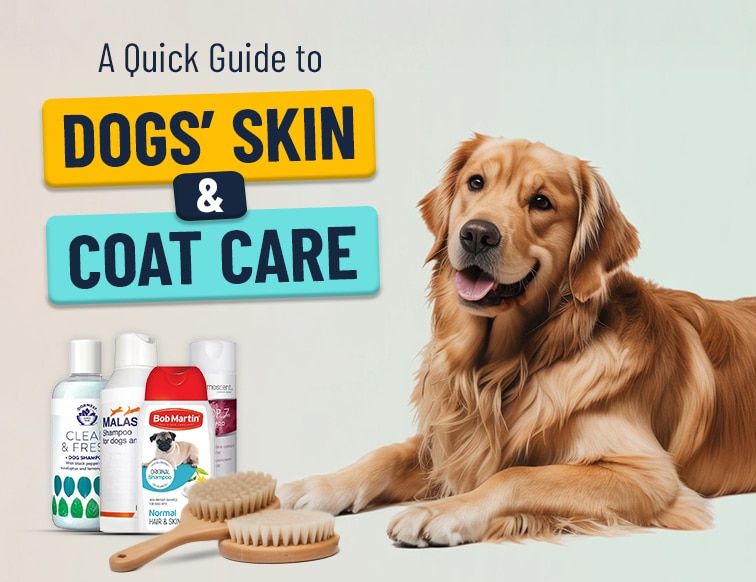
How Clean Coats Improve Your Dog’s Skin Health and Overall Wellbeing
When it comes to caring for our furry friends, many dog owners focus on feeding, exercise, and regular vet visits. However, one often-overlooked aspect of canine health is the importance of maintaining a clean coat. A clean, well-groomed coat isn’t just about appearance; it plays a vital role in your dog’s skin health and overall wellbeing. In this article, we’ll explore why regular coat cleaning matters, how to choose the right grooming products, proper techniques for washing, signs of skin problems caused by poor hygiene, and tips for keeping your dog’s coat healthy between grooming sessions.
The Importance of Regular Coat Cleaning for Canine Skin Comfort
Regularly cleaning your dog’s coat is essential for maintaining healthy, comfortable skin. Dogs naturally shed dead skin cells and dirt over time, but if these aren’t removed regularly, they can accumulate, leading to irritation, itching, and even infections. For dogs with sensitive skin or those prone to allergies, a clean coat can significantly reduce discomfort and prevent flare-ups. Moreover, dirt and debris trapped in the fur can clog pores, which hampers the skin’s ability to breathe and heal.
Beyond hygiene, a clean coat helps you spot potential skin issues early. During grooming, you can easily detect unusual lumps, bumps, redness, or signs of parasites like fleas and ticks. Regular cleaning also helps distribute natural oils produced by the skin, which serve as a protective barrier and keep the coat shiny. When your dog’s coat is well-maintained, it not only looks healthier but also contributes to their overall comfort and happiness.
Lastly, maintaining a clean coat can improve your dog’s social interactions. Pets with unkempt coats often emit odors or have mats and dirt that can be off-putting. A fresh-smelling, clean coat ensures your dog is more comfortable around people and other animals. In summary, regular coat cleaning is a simple yet effective way to promote your dog’s skin comfort, prevent health issues, and enhance their quality of life.
Choosing the Right Grooming Products to Promote Healthy Skin
Selecting the appropriate grooming products is crucial for supporting your dog’s skin health and avoiding potential irritants. Not all shampoos are created equal, and using the wrong type can strip natural oils, dry out the skin, or cause allergic reactions. Look for shampoos formulated specifically for dogs, ideally those that match your pet’s skin type and coat condition. For example, dogs with sensitive or allergy-prone skin benefit from hypoallergenic, fragrance-free, or oatmeal-based shampoos that soothe irritation.
When choosing grooming products, also consider the ingredients. Natural, gentle ingredients like aloe vera, coconut oil, and chamomile can help hydrate and calm the skin. Avoid harsh chemicals such as synthetic fragrances, parabens, sulfates, or alcohol, which can disrupt the skin’s natural barrier and cause dryness or inflammation. Consulting your veterinarian can help identify suitable products tailored to your dog’s individual needs, especially if they have skin conditions like dermatitis or fungal infections.
In addition to shampoos, consider using conditioners, detanglers, and skin sprays designed for dogs. Conditioners help maintain moisture in the coat and reduce matting, while skin sprays can deliver soothing agents directly to problem areas. Remember, grooming products should be specifically formulated for dogs—never use human shampoos or products meant for other animals—as their skin pH levels differ. Investing in the right grooming products ensures a gentle, effective clean that promotes healthy, shiny fur and supports vibrant skin.
Techniques for Proper Coat Washing to Prevent Skin Irritations
Proper washing techniques are essential to maximize the benefits of grooming and prevent skin irritation. Start by thoroughly wetting your dog’s coat with lukewarm water, ensuring that the water reaches the skin without causing discomfort. Use a gentle, dog-specific shampoo, applying it evenly and massaging it into the coat and skin. Avoid scrubbing aggressively, as this can damage delicate skin and strip away natural oils.
Rinsing thoroughly is equally important. Any residual shampoo left on the skin can cause itching, redness, and irritation. Make sure to rinse the coat completely, paying attention to difficult areas like behind the ears, under the legs, and around the neck. After washing, gently squeeze excess water from the coat without twisting or pulling, which can cause skin trauma. Using a soft towel or a Pet-friendly blow dryer set to low heat can help dry the coat effectively without causing dryness or hot spots.
Timing is also key—avoid bathing your dog too frequently, as over-washing can disrupt the natural oil balance and dry out the skin. For most dogs, once every 4-6 weeks is sufficient, unless they get particularly dirty or have skin conditions that require more frequent cleaning. When done correctly, proper coat washing supports skin health by removing dirt and parasites, reducing allergens, and maintaining a moisturized, itch-free coat.
Recognizing Signs of Skin Problems Related to Inadequate Coat Hygiene
Failing to keep your dog’s coat clean can lead to a variety of skin problems that impact their comfort and health. Recognizing early signs of skin issues is vital for prompt treatment and preventing more serious complications. Signs of poor coat hygiene often include persistent scratching, biting, or licking certain areas, which can indicate irritation, infection, or parasites. Redness, swelling, or hot spots on the skin are clear indicators that something isn’t right.
You should also watch for unusual hair loss, patchy bald spots, or mats and tangles that trap dirt and moisture. Foul odors emanating from the coat or skin are often signs of bacterial or yeast infections, which thrive in unclean environments. Skin discoloration, scaling, or crusting can indicate dermatitis or fungal infections, both of which require veterinary attention. In some cases, neglecting coat hygiene can lead to infestations of fleas and ticks, which cause itching, anemia, and transmit disease.
Regular grooming and inspection can help catch these issues early. If you notice any of these symptoms, consult your veterinarian for diagnosis and treatment. Addressing skin problems promptly, along with maintaining a consistent grooming routine, will help your dog recover quickly and prevent recurring issues related to poor coat hygiene.
Tips for Maintaining a Clean Coat Between Grooming Sessions to Support Skin Health
Keeping your dog’s coat clean in between professional grooming sessions is key to supporting ongoing skin health and preventing problems. Daily or every-other-day brushing helps remove dirt, loose fur, and debris, reducing the risk of mats and skin irritation. Use appropriate brushes and combs suited to your dog’s coat length and type—slicker brushes for wiry coats, wide-tooth combs for longer hair, and pin brushes for softer fur.
Bathing frequency can be adjusted based on your dog’s lifestyle, activity level, and skin condition. For outdoor or active dogs that get dirty quickly, consider quick rinses or waterless shampoos as convenient options. These products, infused with natural cleansers and skin-soothing ingredients, can freshen up your dog’s coat without the need for full baths. Regularly check your dog’s skin and coat for signs of parasites, skin irritations, or unusual odors, and address any concerns promptly.
In addition to brushing and rinsing, maintaining a healthy diet rich in omega-3 fatty acids, vitamins, and minerals supports skin hydration and coat shine. Keep your dog’s living environment clean and dry, and ensure their bedding is washed regularly to prevent skin infections. By integrating these simple tips into your routine, you can keep your dog’s coat clean and well-maintained, ensuring they enjoy healthy skin and overall wellbeing every day.
In Conclusion
A clean coat isn’t just about making your dog look good—it’s a cornerstone of their skin health and overall happiness. Regular grooming and proper hygiene practices help prevent skin irritations, infections, and discomfort, while choosing the right products and techniques ensures an effective, gentle clean. Vigilance in recognizing early signs of skin problems allows for prompt intervention, safeguarding your dog’s health. Between grooming sessions, simple habits like brushing and environmental cleanliness support ongoing skin wellbeing. By making coat hygiene a priority, you’re not only enhancing your dog’s appearance but also contributing significantly to their comfort, health, and happiness for years to come.