


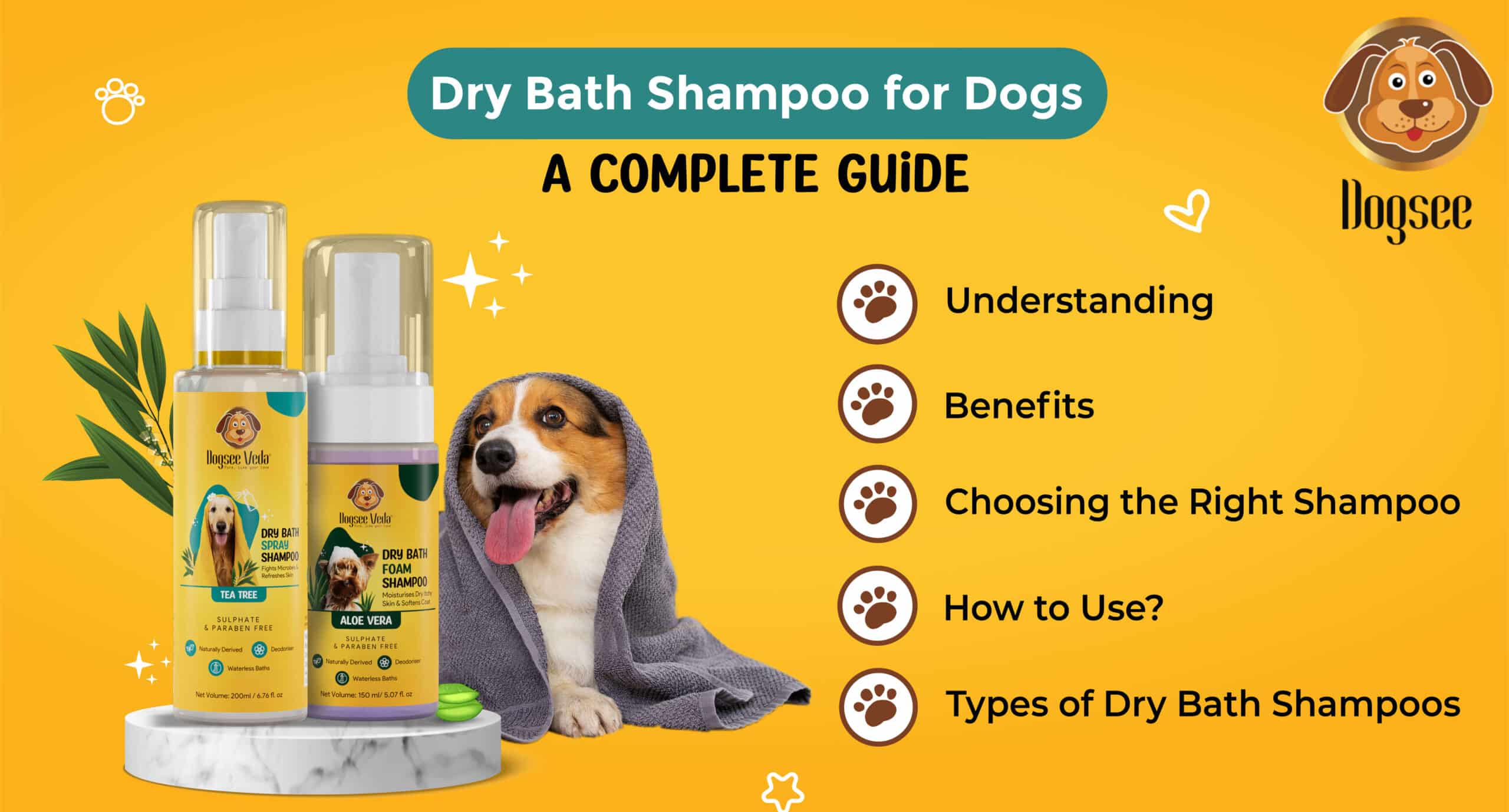
The Truth About Dry Shampoo for Dogs: Is It Safe and Effective?
If you’re a dog owner, you know how important it is to keep your furry friend clean and comfortable. Bathing can be a hassle—especially if your dog hates water, has sensitive skin, or you’re pressed for time. That’s where dry shampoos for dogs come into play. They promise a quick, mess-free way to freshen up your pup’s coat without a full bath. But are these products safe? Do they really work? In this article, we’ll explore everything you need to know about dry shampoo for dogs, including how it works, the benefits and potential risks, tips for choosing the right product, and best practices for application. Whether you’re curious or considering using dry shampoo as part of your grooming routine, this guide aims to give you a clear, honest picture.
Understanding Dry Shampoo for Dogs: What It Is and How It Works
Dry shampoo for dogs is a specially formulated grooming product designed to clean your dog’s coat without the need for water. These products typically come in aerosol sprays, powders, or wipes, and are infused with ingredients that absorb oils, dirt, and odors from your dog’s fur. They work by applying a layer of cleaning agents that trap grease, grime, and smells, which can then be brushed out or wiped away, leaving your dog smelling fresh and looking tidy. This makes dry shampoo a convenient option for busy pet owners or for situations where a traditional bath isn’t feasible.
The key ingredients in dry dog shampoos often include natural absorbents like cornstarch, baking soda, or clay, which help soak up excess oils and dirt. Many formulations also contain added fragrances to mask unpleasant odors. Some products incorporate conditioners or vitamins to help maintain skin health and coat shine, while others are designed to be hypoallergenic for dogs with sensitive skin. It’s important to understand that dry shampoos aren’t a substitute for regular baths but rather an occasional grooming aid or quick refresh.
When applying dry shampoo, the process typically involves spraying or sprinkling the product onto the dog’s coat, allowing it to sit for a few minutes, and then brushing or wiping away the residue. This simple method can be particularly useful for dogs that dislike water or have skin conditions that require limited bathing. However, understanding how dry shampoo works helps you use it more effectively and safely, ensuring your dog’s coat stays healthy and clean without unnecessary irritation.
Benefits and Advantages of Using Dry Shampoo on Dogs
One of the biggest advantages of dry shampoo is its incredible convenience. If your dog is anxious around water or has a medical condition that makes bathing difficult, dry shampoo offers a quick, stress-free alternative. It’s also a lifesaver for busy pet owners who need to freshen up their dog between baths or when outdoor play has left your dog looking a little less than fresh. Dry shampoos make grooming more manageable and can help maintain a clean, odor-free coat without the time commitment of a full bath.
Another benefit is the ability to control odors effectively. Dogs, especially those who spend a lot of time outdoors or get into things, can develop persistent smells. A well-chosen dry shampoo can neutralize odors and leave your dog smelling pleasant, which is especially useful before visits to the vet or when hosting guests. Additionally, dry shampoos can help reduce excess oil and dirt build-up, which may contribute to skin irritations or infections if left uncleaned. Regular use, in moderation, can support overall coat health and appearance.
Dry shampoos also promote a more comfortable grooming routine for sensitive or elderly dogs. Bathing can be stressful for some pets, and frequent water-based cleaning might dry out their skin or exacerbate existing skin conditions. Using dry shampoo allows for periodic cleaning that’s gentle and less disruptive. It’s a practical tool for maintaining your dog’s hygiene, especially during colder months or in situations where bathing isn’t always convenient. Overall, dry shampoo can be a valuable addition to your pet care toolkit when used appropriately.
Potential Risks and Precautions When Using Dry Shampoo on Dogs
While dry shampoo can be incredibly handy, it’s important to recognize that improper use or unsuitable products can pose risks to your dog’s health. Some dry shampoos contain ingredients that may irritate sensitive skin, cause allergic reactions, or even be toxic if ingested. For example, aerosol sprays with harsh chemicals or strong fragrances might trigger respiratory issues or skin irritation, especially in dogs with pre-existing allergies or respiratory conditions. It’s vital to choose products specifically formulated for dogs and consult your veterinarian if your pet has known sensitivities.
Another concern is the potential for overuse. Relying too heavily on dry shampoo rather than regular baths can lead to build-up of residues, which may clog pores or cause skin issues such as dryness, itching, or hot spots. Additionally, if not brushed thoroughly after application, residual powder or spray can be ingested during grooming, potentially upsetting your dog’s stomach or causing choking hazards. It’s essential to follow manufacturer instructions carefully and avoid frequent or excessive application.
Safety precautions include avoiding the eyes, ears, and mouth during application and ensuring good ventilation if using aerosols. Always opt for high-quality, veterinarian-approved products and perform a patch test before full application to check for adverse reactions. If your dog exhibits signs of skin irritation, sneezing, coughing, or any abnormal behavior after using dry shampoo, discontinue use immediately and seek veterinary advice. Proper use and moderation are key to keeping your dog safe while enjoying the benefits of dry shampoo.
Choosing the Right Dry Shampoo for Your Dog’s Coat and Skin Type
Selecting the appropriate dry shampoo depends heavily on your dog’s specific coat and skin needs. Dogs with sensitive skin or allergies require hypoallergenic formulas free of fragrances, dyes, or harsh chemicals. For these pets, choosing a gentle, natural-based product can help prevent irritation and maintain skin health. Breeds with thick or curly coats might benefit from powders that are easier to brush out, while short-haired dogs may prefer sprays for quicker application.
Pay attention to the ingredients list when choosing a dry shampoo. Natural ingredients like oatmeal, aloe vera, or chamomile can soothe the skin and reduce irritation, while avoiding alcohol, artificial fragrances, and parabens minimizes the risk of adverse reactions. If your dog has specific skin conditions, such as dermatitis or hot spots, consult your veterinarian to find a product tailored to those needs. Some shampoos are formulated to help control bacteria or fungi, providing additional benefits beyond simple odor control.
It’s also essential to select a product suited to your dog’s coat color and length. Light-colored coats can sometimes stain from certain powders or sprays—look for products that are formulated to be color-safe. The consistency of the product matters too; powders are often better for quick touch-ups, while sprays may provide more even coverage for longer coats. Doing a bit of research and reading reviews can help you find a dry shampoo that’s both safe and effective for your dog’s unique coat and skin type.
Best Practices for Applying and Maintaining Your Dog’s Cleanliness with Dry Shampoo
Proper application techniques are crucial to maximize the benefits and minimize potential risks of dry shampoo use. Start by choosing a well-ventilated area, and always follow the manufacturer’s instructions regarding the amount and method of application. For powders, sprinkle evenly over the coat and massage gently to distribute the product, then brush thoroughly to remove residues. For sprays, hold the bottle at a safe distance to prevent over-application and spray evenly across the coat, avoiding sensitive areas like eyes, ears, and nose.
Timing is also key—use dry shampoo in between regular baths or when your dog has gotten dirty but isn’t due for a full wash. Regular grooming routines that incorporate dry shampoo can help control odor, reduce oil build-up, and keep your dog comfortable. Always brush your dog’s coat after applying dry shampoo to remove excess product and prevent ingestion during grooming. This step also helps distribute the product evenly and ensures a clean, matte finish.
Finally, maintaining your dog’s overall hygiene involves more than just dry shampoo. Regular brushing, ear cleaning, and dental care are all important aspects of pet hygiene. Remember that dry shampoo is a supplemental grooming tool—not a replacement for baths or medical skin treatments when necessary. Monitor your dog’s skin and coat condition over time, and consult your veterinarian if you notice persistent itching, irritation, or other issues. With proper use, dry shampoo can be a safe, effective way to keep your dog fresh, comfortable, and happy.
Conclusion
Dry shampoo for dogs offers a practical, convenient solution for maintaining your pet’s cleanliness and freshness between traditional baths. When used correctly and chosen carefully, it can significantly reduce grooming stress, control odors, and help manage skin sensitivities. However, it’s essential to understand the potential risks and always select products formulated specifically for dogs, tailored to your dog’s coat and skin needs. Proper application techniques and moderation are key to ensuring your pet’s safety and comfort while enjoying the benefits of this grooming aid.
Ultimately, dry shampoo should complement a comprehensive grooming routine that includes regular baths, brushing, and veterinary care. By staying informed and attentive to your dog’s individual needs, you can leverage dry shampoo as a safe and effective tool in your pet care arsenal. So, next time you’re pressed for time or your dog needs a quick refresh, you’ll know exactly how to use dry shampoo responsibly and confidently.