


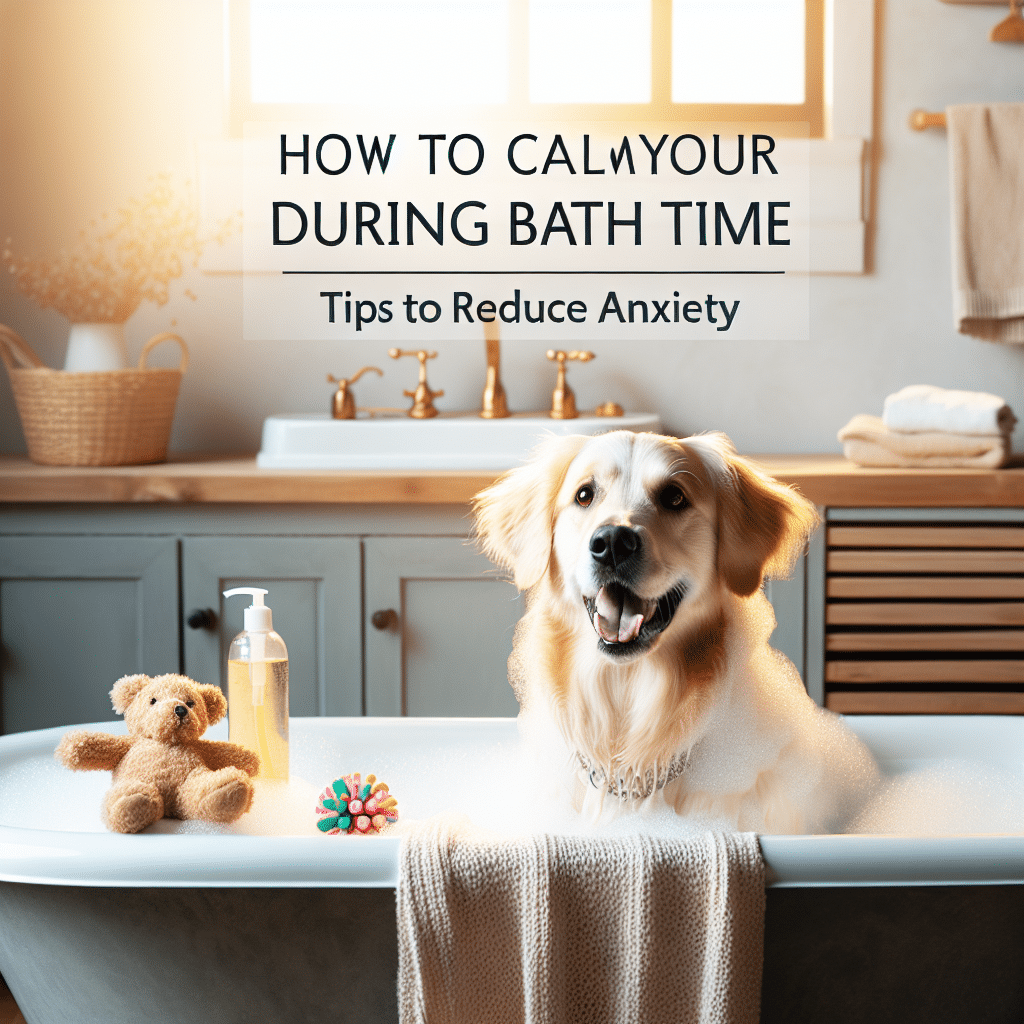
How to Calm Your Dog During Bath Time: Tips to Reduce Anxiety
Bath time can be a stressful experience for many dogs and their owners alike. While some pups enjoy splashing around and getting pampered, others find the whole process overwhelming, leading to anxiety, resistance, and even fear. If your dog reacts negatively during baths, it’s essential to understand why this happens and learn effective strategies to make the experience calmer and more positive. The good news is that with the right preparation, techniques, and tools, you can transform bath time from a dreaded ordeal into a bonding, stress-free activity. This article explores the causes of dog bath time anxiety, practical ways to prepare your furry friend, proven calming techniques, helpful products, and long-term strategies to foster comfort during grooming.
Understanding Dog Bath Time Anxiety and Its Causes
Many dogs experience anxiety during bath time, which can stem from a variety of factors. First and foremost, dogs are natural creatures of habit, and sudden changes or unfamiliar environments can trigger stress. If your dog wasn’t introduced to baths gradually or has had negative past experiences, they’re more likely to associate baths with discomfort or fear. Additionally, the water’s sensation—whether it’s too hot, cold, or unexpectedly splashes—can contribute to feelings of unease.
Another common cause is the restraint involved in bathing. Dogs often dislike being held or restricted, especially if they’re not accustomed to being handled in certain ways. Loud noises, like running water or sprays, and the overall unfamiliarity of the bath environment can intensify anxiety. For some dogs, sensory sensitivities or medical conditions, such as skin issues, may also make baths more uncomfortable, leading to stress responses like whining, scratching, or trying to escape.
Recognizing these causes helps owners empathize with their dogs’ feelings and tailor their approach accordingly. Understanding that bath time is often a stressful event rather than a natural, enjoyable activity allows us to develop strategies to reduce that anxiety and make grooming a more positive experience.
Preparing Your Dog for a Calm and Stress-Free Bathing Experience
Preparation is the foundation of a calm bath time. Before even filling the tub, spend time getting your dog comfortable with the idea of grooming. Introduce the bathing area as a safe and inviting space—use treats, praise, and gentle petting to create positive associations. If your dog is new to baths, start with short, non-intimidating sessions, gradually increasing duration as they become more at ease.
It’s also helpful to set up all necessary supplies beforehand—such as shampoos, towels, brushes, and non-slip mats—so that the process flows smoothly. Using a non-slip mat in the tub can prevent slipping and make your dog feel more secure. Ensuring the water temperature is lukewarm (around 90-100°F or 32-38°C) is crucial, as water that’s too hot or cold can cause discomfort and stress. Play calming background music or speak in gentle, soothing tones to help your dog associate bath time with calmness rather than chaos.
Additionally, timing matters. Choose a bath time when your dog is relaxed and not overly energetic or anxious, such as after a walk or play session. Consistency is also key—bathing on a regular schedule helps your dog know what to expect and reduces surprises. Gradually desensitizing your dog to handling, water, and grooming tools over time will foster trust and ease anxiety, making each subsequent bath less intimidating.
Effective Techniques to Soothe Your Dog During Bath Time
During the bath, your goal is to create a calming atmosphere and provide reassurance. Speaking softly and using a gentle voice can have a soothing effect, helping your dog stay relaxed. Incorporate positive reinforcement—praise and treats—whenever your dog remains calm or cooperates during different stages of the bath. This encourages them to associate bathing with positive experiences rather than fear.
Using a slow, controlled approach when rinsing and applying shampoo minimizes sudden movements and splashing, which can startle your dog. Keep water flow steady and predictable, and avoid spraying directly into their face or ears. If your dog becomes anxious, pause and give them a break—sometimes, a brief moment of calm can prevent escalation. Incorporate calming techniques such as gentle massage or petting, especially around their head, neck, and shoulders, to provide comfort.
In some cases, toys or distractions like a waterproof chew toy or a treat-dispensing puzzle can redirect your dog’s attention from the stressful aspects of bathing. Additionally, incorporating deep pressure techniques, such as gently wrapping your dog in a towel or using a calming vest, can provide a sense of security. Remember, patience and consistency are vital—never force your dog or punish them for showing fear, as this can worsen anxiety.
Recommended Products and Tools to Reduce Bath Time Stress
Having the right products and tools can make a significant difference in reducing your dog’s bath time anxiety. Non-slip mats in the tub prevent slips and falls, providing stability and confidence. Gentle, tear-free shampoos formulated for dogs help minimize discomfort and skin irritation, making the process more tolerable. Consider using calming sprays or wipes infused with soothing ingredients like lavender or chamomile to help relax your dog before and during bathing.
Specialized grooming tools, such as gentle brushes and deshedding gloves, can assist in pre-bath grooming, reducing the amount of loose fur and making the bathing process smoother. Ear protection, like cotton balls or ear covers, can prevent water from entering sensitive areas, reducing discomfort and stress. For owners who struggle to keep their dog calm, calming vests or anxiety wraps—like the ThunderShirt—apply gentle pressure that has a proven calming effect.
Incorporating calming treats designed for stress relief during grooming sessions can reinforce positive behavior. Always choose products approved for dogs and consult your veterinarian if your dog has specific medical concerns or sensitivities. The right combination of tools and calming products can help turn bath time into a less intimidating and more manageable experience for your pup.
Tips for Building Positive Associations and Long-Term Comfort During Grooming
Creating positive associations with bath time is essential for long-term grooming comfort. Start by pairing baths with rewards your dog loves—treats, praise, or their favorite toy—so they begin to associate this activity with good things. Gradually introduce grooming tasks in a relaxed environment, gradually increasing the duration and complexity as your dog becomes more comfortable.
Consistency plays a key role; sticking to a regular schedule helps demystify the process and reduces anxiety caused by unpredictability. Always end grooming sessions on a positive note, with plenty of praise and treats, so your dog looks forward to future baths. Patience and gentle handling are critical—force or punishment can create negative associations that hinder progress.
Finally, incorporate ongoing training to desensitize your dog to handling and grooming. Regularly touching their paws, ears, and tail in a calm, gentle manner builds trust and familiarity. Over time, these efforts foster a sense of security, making your dog more relaxed during baths and grooming routines. Remember, the goal is to make grooming a bonding experience—one that strengthens your relationship rather than causing stress.
Conclusion
Bath time doesn’t have to be a dreaded event for your dog or a stressful experience for you. By understanding the causes of bath time anxiety, preparing your dog properly, employing effective calming techniques, and using the right products, you can significantly reduce their stress. Building positive associations and practicing patience are invaluable for fostering long-term comfort and trust. With time, consistency, and compassion, you can turn grooming into a peaceful, bonding activity that benefits both you and your furry friend. So, take these tips to heart, and help make bath time a calmer, happier moment in your dog’s routine!