

The Best Way to Dry Your Dog After a Bath: Tips for a Quick, Healthy Drying Process
Giving your dog a bath is a wonderful way to keep them clean, healthy, and happy. However, one of the most overlooked yet crucial steps afterward is drying your pup properly. Improper drying can lead to skin issues, discomfort, and even unpleasant odors. Whether you’re a seasoned pet owner or a new dog parent, knowing the best methods to dry your dog effectively and safely can make a significant difference in their overall health and happiness.
In this article, we’ll walk you through everything you need to know about drying your dog—covering the right supplies, gentle techniques, and additional care tips—so you can ensure your furry friend stays comfortable, healthy, and well-groomed after every bath. Let’s dive into the details!
Selecting the Right Towel and Drying Supplies for Your Dog
Choosing the appropriate drying supplies is the foundation for a smooth and stress-free drying experience. The right towel can make all the difference in absorbing moisture efficiently without causing fur damage or discomfort. Look for thick, absorbent towels made from microfiber or terrycloth, as these materials are excellent at soaking up water quickly. Microfiber towels, in particular, are gentle on fur and skin, lightweight, and quick-drying themselves, making them a popular choice among pet owners.
In addition to towels, consider having a few other supplies on hand, such as a gentle pet-specific brush or comb, especially if your dog has long or thick fur. These tools will help to detangle and smooth the coat during the drying process, preventing matting and reducing the risk of skin irritation. For dogs with sensitive skin or allergies, hypoallergenic or fragrance-free products are recommended to avoid any adverse reactions. Some pet owners also opt for a leave-in conditioner or detangler spray to ease the grooming process and promote healthy fur.
Lastly, if your dog is prone to anxiety or fussiness, consider using calming aids like soft, soothing music or a cozy, non-slip mat to create a relaxed environment during drying. The overall goal is to choose supplies that are gentle, effective, and comfortable for your dog—making the drying process an enjoyable part of grooming rather than a stressful ordeal.
Proper Towel-Drying Techniques to Minimize Fur Damage and Comfort Your Dog
Once you have the right supplies, mastering proper towel-drying techniques is key to ensuring your dog’s comfort and fur health. Begin by gently patting, rather than rubbing, the fur to absorb excess water. Rubbing vigorously can cause fur breakage, matting, and skin irritation, particularly in dogs with long or delicate coats. Use light, deliberate strokes, and work in sections to dry your dog systematically.
Pay special attention to areas that tend to retain more moisture—such as behind the ears, between the toes, and under the belly. These spots are common areas where dampness can cause skin issues if not dried thoroughly. For dogs with thick or double coats, consider wrapping sections of the fur in a towel to help soak up water before gently pressing or blotting. Be patient and gentle throughout—rushing can lead to discomfort or even fear of the drying process.
Additionally, ensure your dog remains comfortable during towel-drying by speaking softly, using a calm tone, and providing positive reinforcement. Many dogs respond well to treats or praise, which can make the experience more positive. Remember, the goal is to remove as much moisture as possible without causing distress or fur damage, helping your dog stay comfortable and preventing issues like matting or skin infections.
Using Gentle Air Drying Methods and When to Employ a Pet Dryer
Air drying is an excellent, low-impact way to dry your dog, especially if they dislike towels or are sensitive to heavy handling. The key is to let your dog dry naturally in a warm, draft-free environment, which helps maintain coat health and skin integrity. Ensure the room is well-ventilated and at a comfortable temperature—around 70°F (21°C)—to prevent chills, particularly for small breeds or those with thin coats.
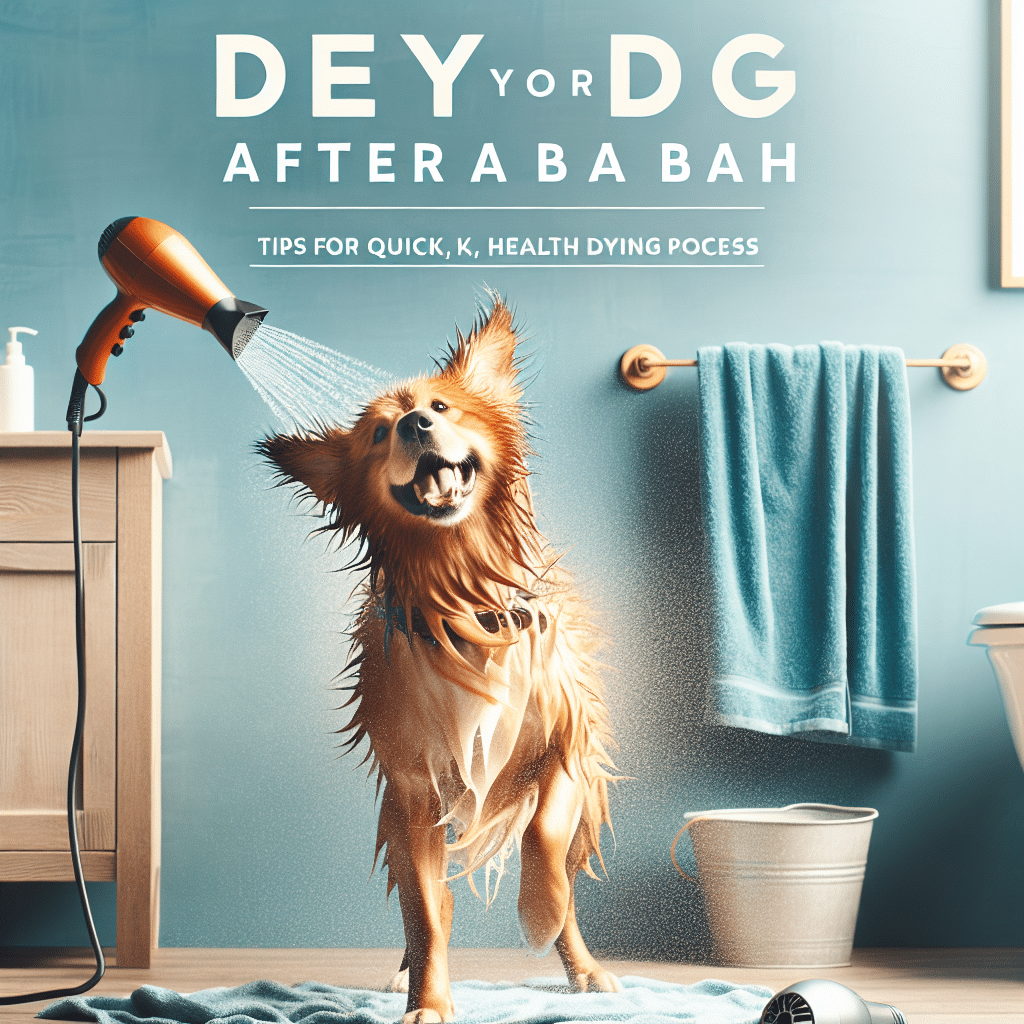
For faster drying, you can use a high-velocity pet fan or a blow dryer designed specifically for dogs. When using a pet dryer, always set it to the lowest heat and airflow setting to avoid burns or dehydration of the skin. Keep the nozzle moving constantly and hold it at least several inches away from your dog’s skin to prevent hot spots. Many professional groomers recommend using a dryer with adjustable heat and speed controls for optimal comfort and efficiency.
Timing is also important: while air drying is gentle, it can take longer, especially in damp or cold conditions. Use a pet-specific dryer if you need to expedite the process, but always prioritize your dog’s comfort and safety. If your dog is anxious or uncooperative, consider desensitization techniques or consulting a professional groomer who can safely handle more extensive drying methods.
Tips for Ensuring Complete Drying to Prevent Skin Issues and Odor
Incomplete drying is a common cause of skin problems such as bacterial or fungal infections, hot spots, and persistent odors. To prevent these issues, it’s essential to ensure your dog is thoroughly dry before returning them to their usual environment. Pay special attention to hidden or hard-to-reach areas like underneath the tail, inside the ears, and under the legs, where moisture can linger.
A good rule of thumb is to run your hands over your dog’s coat and check for any damp patches. If moisture remains, continue towel-drying or air drying until the fur feels warm and dry to the touch. For dogs with thick or double coats, it may be helpful to use a fine-tooth comb to check for dampness in the undercoat. Keeping your dog dry helps prevent the growth of bacteria and fungi that thrive in moist environments, reducing the risk of skin infections.
Additionally, drying the ears carefully—using a cotton ball or soft cloth—is vital to prevent infections like otitis externa. Regularly inspect your dog’s skin for signs of redness, irritation, or foul odor, which can indicate incomplete drying or other issues. Ensuring your dog is fully dry not only keeps their skin healthy but also prevents unpleasant odors that can develop if moisture is left to linger.
Additional Care Tips for Maintaining a Healthy and Well-Dried Coat
Maintaining your dog’s coat after a bath involves more than just drying. Regular brushing helps distribute natural oils, remove loose fur, and prevent matting—especially important after a bath when fur may be more prone to tangling. For long-haired breeds, daily grooming is recommended to keep the coat smooth and free of debris. Short-haired breeds also benefit from routine brushing to promote skin health and remove any residual dirt or loose hairs.
Nutrition plays a vital role in maintaining a healthy, shiny coat. A balanced diet rich in omega-3 fatty acids, vitamins, and minerals supports skin integrity and fur health. Consult your veterinarian for personalized dietary recommendations, especially if your dog has skin sensitivities or allergies. Hydration is equally important; ensure your dog has fresh water available at all times, as dehydration can lead to dry, flaky skin that’s more prone to infections.
Finally, establishing a regular grooming and drying routine helps your dog become more comfortable with the process. Use positive reinforcement and patience to create a stress-free environment, making each bath and dry session a bonding opportunity. Proper post-bath care not only keeps your dog looking and smelling great but also promotes their overall well-being and comfort.
In Conclusion
Drying your dog after a bath is a critical step that influences their skin health, coat condition, and overall comfort. Choosing the right supplies—such as absorbent microfiber towels and gentle grooming tools—is essential for a smooth process. Employing proper towel-drying techniques, like patting rather than rubbing, helps minimize fur damage and reduces stress. When faster drying is needed, gentle air drying or pet-specific dryers are excellent options, provided they are used carefully to avoid burns or discomfort.
Ensuring your dog is thoroughly dried prevents skin issues, odors, and infections, especially in areas prone to retaining moisture. Complementary care, including regular brushing, a balanced diet, and gentle grooming routines, supports a healthy, shiny coat. By following these tips, you can make drying your dog after a bath both quick and healthy—transforming what can sometimes be a stressful moment into a positive grooming experience.
Remember, patience, gentle handling, and consistency are your best tools for keeping your furry friend happy, healthy, and fresh after every bath!