


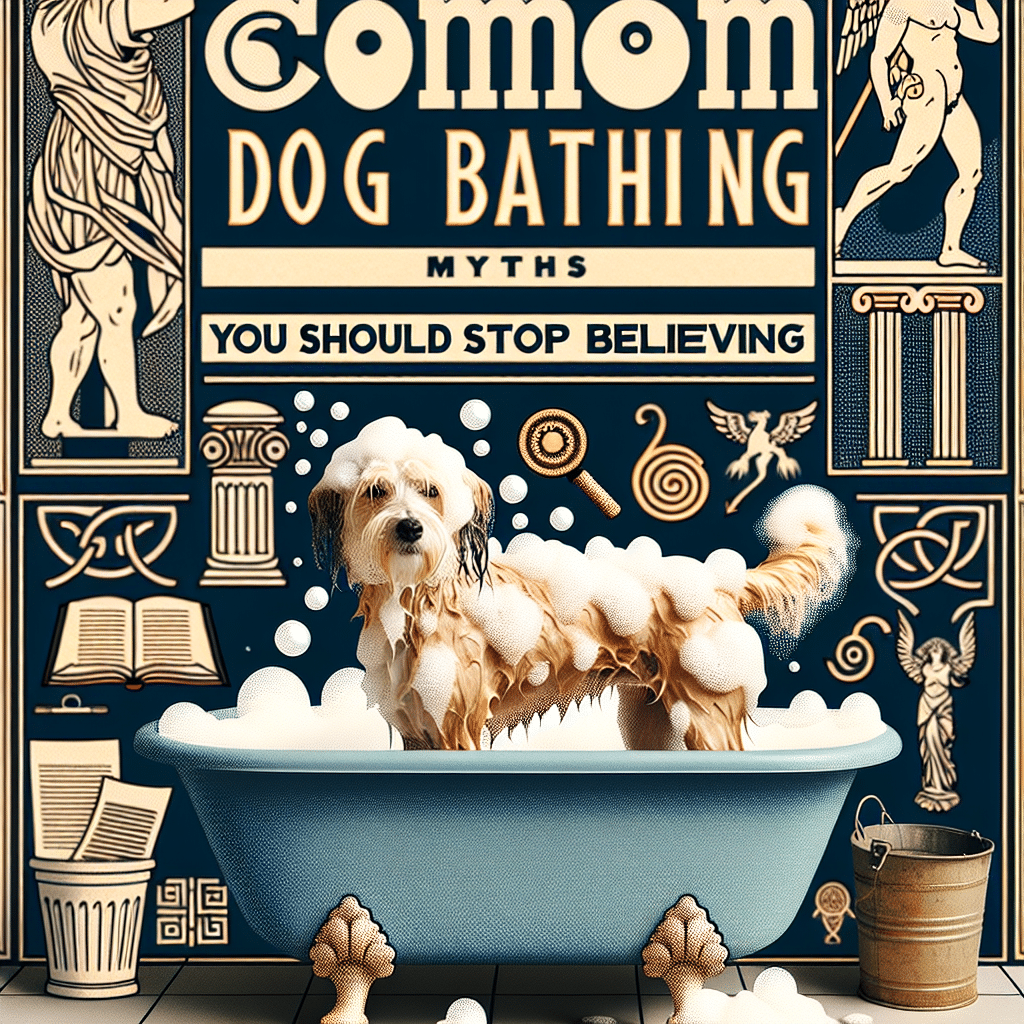
Common Dog Bathing Myths You Should Stop Believing
When it comes to caring for our furry friends, there’s a lot of advice floating around—some of it helpful, some based on outdated myths. Bathing your dog might seem straightforward, but misconceptions can lead to unnecessary stress for your pet and even harm their health. In this article, we’ll debunk some common dog bathing myths, clarify best practices, and provide you with practical tips to keep your dog clean, comfortable, and healthy. Whether you’re a new dog owner or a seasoned pet parent, understanding the truth behind these myths can improve your grooming routine and strengthen your bond with your dog.
Common Misconceptions About How Often Dogs Need Baths
One of the most widespread myths is that dogs need a bath every week or even daily—this couldn’t be further from the truth. The reality is that bathing frequency depends heavily on your dog’s breed, coat type, activity level, and skin health. For example, a dog with a short coat living indoors may only need a bath once every few months, while a muddy retriever or active outdoor dog may require more frequent baths. Over-bathing can strip natural oils from the skin, leading to dryness, irritation, and even infections.
Another misconception is that bathing too infrequently will make a dog dirty or smelly. While dogs do produce oils that can cause odor if accumulated excessively, their skin also produces natural oils that protect their coat and skin from dryness and pests. Regular brushing and grooming can help manage dirt and shedding without overdoing it with baths. It’s important for pet owners to pay attention to their specific dog’s needs rather than sticking to a rigid schedule dictated by myths.
Finally, some believe that dogs should be bathed immediately after getting dirty—regardless of the dirt type or the dog’s coat. However, if a dog gets muddy or dirty, it’s better to brush away loose dirt first and then bathe if necessary. Bathing right after outdoor play can sometimes trap dirt and debris deeper into the coat, especially if the fur is matted or tangled. Understanding your dog’s individual needs and consulting your veterinarian or professional groomer can help determine the optimal bathing routine.
Myths Surrounding the Use of Human Shampoos on Dogs
Many dog owners assume that human shampoos are suitable for bathing their pets, but this is a common misconception that can have serious consequences. Human shampoos are formulated with different pH levels, often more acidic or alkaline than a dog’s skin, which is naturally more neutral. Using human soap or shampoo can disrupt the pH balance of a dog’s skin, leading to dryness, irritation, and increased susceptibility to infections like dermatitis.
Moreover, human shampoos often contain ingredients that are safe for us but toxic to dogs. For example, fragrances, dyes, and certain preservatives can cause allergic reactions or skin sensitivities in dogs. Dogs also have a different coat structure and skin thickness, meaning products designed for humans may not provide the appropriate cleansing or moisture balance. Always opt for pet-specific shampoos that are formulated to maintain healthy skin and coat health.
There are some cases, such as medicated shampoos prescribed by a veterinarian, where special formulations are necessary. In these instances, following your vet’s recommendations is crucial. If you’re unsure about what shampoo to use, consult your veterinarian or a professional groomer. Never substitute a dog-specific shampoo with a product intended for humans to ensure your pet’s skin remains healthy and irritation-free.
Beliefs About Dog Coat Types and Their Impact on Bathing Frequency
Many dog owners believe that their dog’s coat type entirely determines how often they should bathe or groom. While coat type is an important factor, myths abound that suggest certain breeds can go months without baths or that some require daily bathing. For example, long-haired breeds like Afghan Hounds or Shih Tzus might be thought to need frequent baths, but excessive washing can damage their delicate hair and skin. Conversely, short-haired breeds like Beagles or Boxers are often thought to be “less dirty” and require less frequent baths—but this isn’t always true.
Breed-specific grooming needs are best understood as guidelines rather than strict rules. Dogs with thick, double coats (like Siberian Huskies or Chow Chows) benefit from regular brushing to remove loose fur and prevent matting, but this doesn’t necessarily mean frequent baths. On the other hand, dogs with oily coats, such as Basset Hounds or Cocker Spaniels, might need more regular baths to manage excess oil and odors. Understanding your dog’s coat density, porosity, and oil production helps determine the ideal bathing schedule.
It’s also important to acknowledge that coat health depends on more than just frequency; regular brushing, trimming, and conditioning are equally vital. Over-bathing certain coat types can strip natural oils, leading to coat dullness and skin issues. The key is to tailor your grooming routine to your dog’s specific coat needs, rather than relying on myths about breed-based bathing schedules.
Risks of Over-Bathing and How It Can Harm Your Dog’s Skin and Coat
Many well-meaning dog owners fall into the trap of over-bathing, believing it keeps their pet cleaner. However, frequent baths can actually do more harm than good. Over-bathing strips away the natural oils that keep a dog’s skin moisturized and their coat shiny. This can lead to dry, flaky skin that is prone to itching and irritation. In extreme cases, it can even compromise the skin’s barrier function, making dogs more vulnerable to infections, parasites, or allergic reactions.
Another risk is that over-bathing can upset the natural balance of bacteria and fungi that live on a dog’s skin. These microorganisms play a role in protecting against pathogens and promoting overall skin health. When their natural habitat is disrupted repeatedly by frequent bathing, it can result in bacterial or yeast overgrowth, leading to odor, inflammation, and discomfort. Additionally, certain medicated or antibacterial shampoos used excessively can worsen these issues by killing beneficial microbes along with harmful ones.
It’s critical for dog owners to recognize signs of skin problems, such as excessive dryness, redness, or hair loss, which may indicate that their bathing routine is too aggressive. Consulting a veterinarian can help determine the appropriate bathing frequency based on your dog’s skin condition and coat type. Remember, maintaining a balanced skincare routine with gentle, pet-specific products is the best way to promote a healthy, happy coat.
Effective Bathing Practices to Keep Your Dog Clean and Healthy
When it comes to bathing your dog, quality and technique are just as important as frequency. Start by choosing a pet-specific shampoo suited to your dog’s skin and coat type. Make sure the water temperature is lukewarm—not hot—to prevent burns or discomfort. Before applying shampoo, thoroughly wet your dog’s coat to loosen dirt and debris, then lather gently, avoiding the eyes, ears, and nose.
After shampooing, it’s essential to rinse thoroughly to remove all soap residue, which can cause irritation if left behind. Follow up with a conditioner designed for dogs if needed, especially for long-haired breeds prone to matting. Carefully dry your dog with a towel or a pet-safe blow dryer on a low, cool setting. Avoid vigorous rubbing, which can tangle fur or irritate the skin. Regular brushing before and after baths also helps remove loose hair, prevent mats, and distribute natural oils evenly.
Beyond the bathing itself, incorporate other grooming habits for overall health: trim nails regularly, clean ears gently, and check for signs of skin issues or parasites. Consistency is key—establishing a routine that includes gentle baths and regular grooming fosters a healthy coat and reduces stress for your pet. Remember, patience and positive reinforcement during grooming sessions build trust and make the process more enjoyable for both of you.
Conclusion
Understanding the truth behind dog bathing myths is essential to providing your pet with the best care possible. Avoid the misconception that dogs need frequent baths or that human shampoos are suitable for them—these can cause more harm than good. Recognize that coat type, activity level, and skin health determine how often your dog should be bathed, and always prioritize gentle, pet-specific products and practices. Over-bathing can strip natural oils, leading to dry skin and irritation, so aim for a balanced routine tailored to your dog’s unique needs.
By adopting effective bathing practices—using correct water temperature, proper shampoos, thorough rinsing, and gentle drying—you can keep your dog not only clean but also comfortable and healthy. Regular grooming, including brushing, trimming, and skin checks, complements bathing and promotes overall well-being. Remember, informed care and patience help create a positive grooming experience that enhances your bond with your furry companion.
If in doubt, consult your veterinarian or a professional groomer to develop a tailored grooming plan that suits your dog’s specific needs. With the right knowledge and approach, bathing becomes a simple, stress-free part of your dog’s health routine—one that keeps them happy, clean, and looking their best.