

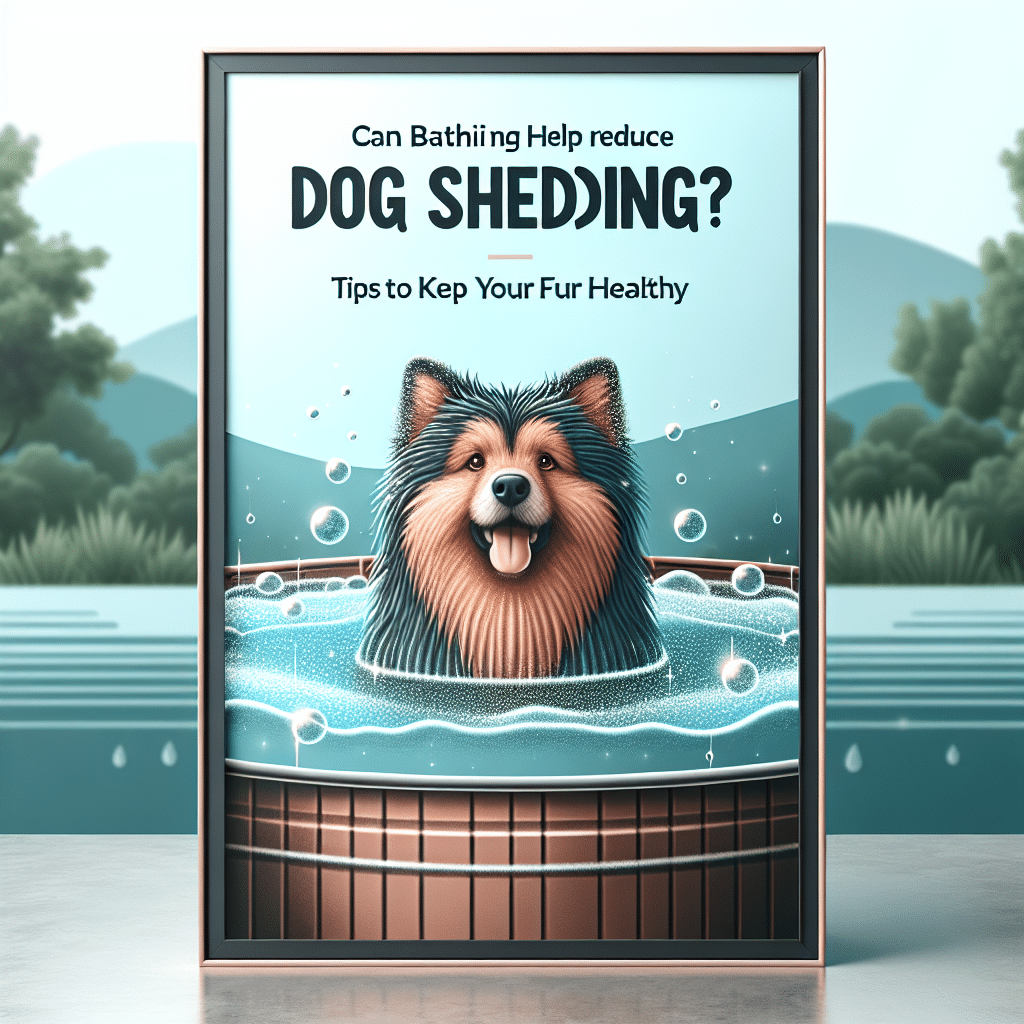
Can Bathing Help Reduce Dog Shedding? Tips to Keep Your Fur Healthy
If you’re a dog owner, chances are you’ve faced the persistent challenge of shedding. While shedding is a natural and necessary process for dogs to shed old or damaged fur, excessive hair loss can be frustrating and even concerning. Many pet parents wonder whether regular bathing can help control shedding and improve their dog’s coat health. The good news is that proper bathing routines, combined with good grooming practices, can indeed make a difference. In this article, we’ll explore the causes of dog shedding, how bathing fits into managing it, effective techniques, and additional tips to keep your furry friend’s coat healthy and vibrant.
Understanding Dog Shedding and Its Causes
Dog shedding is a natural biological process that allows dogs to renew their coat, adapt to seasonal changes, and shed old or damaged hair. However, the amount and pattern of shedding can vary widely among breeds, individual dogs, and environmental factors. Some dogs shed year-round, while others shed heavily during specific seasons, such as spring and fall, as part of their natural adaptation to temperature changes.
The causes of dog shedding extend beyond genetics. Poor nutrition, stress, allergies, health conditions, and environmental factors can all influence how much a dog sheds. For example, dogs with nutritional deficiencies—particularly lacking essential fatty acids—may shed more and develop a dull, brittle coat. Similarly, allergies to food or environmental allergens can trigger skin irritation and increased hair loss. Stress and illness can also disrupt the normal hair growth cycle, leading to abnormal shedding patterns or patchy hair loss.
Understanding the root causes of shedding is key to managing it effectively. While some shedding is inevitable, excessive or unusual hair loss might signal underlying health issues that need attention. It’s essential for dog owners to observe their pet’s shedding patterns, skin condition, and overall health to determine whether their shedding is normal or warrants further investigation. Consulting with a veterinarian can help identify underlying problems and develop a tailored grooming and health plan.
The Role of Bathing in Managing Dog Shedding
Bathing plays a crucial role in maintaining a healthy coat and skin, which are directly linked to shedding. Regular baths help remove excess loose hair, dirt, oils, and debris from the fur and skin, preventing matting and skin infections that can exacerbate shedding. When dogs are dirty or greasy, their fur can become less pliable, trapping loose hair and making shedding appear worse. A clean coat also allows for better airflow and skin respiration, promoting healthier hair growth.
Beyond cleanliness, bathing stimulates the skin and increases blood circulation, which can support the hair growth cycle. It also provides an opportunity to check for skin irritations, parasites, or infections that might contribute to abnormal shedding. Proper bathing can help keep the coat shiny and healthy, reducing brittleness and breakage that lead to hair loss. Additionally, using the right shampoos formulated for dogs can soothe sensitive skin and provide essential nutrients that strengthen hair follicles.
However, it’s important to note that bathing alone won’t eliminate shedding entirely. It’s a complementary part of a broader grooming routine that includes brushing, proper nutrition, and regular vet checkups. Over-bathing or using harsh shampoos can strip natural oils, leading to dryness and increased shedding. Finding the right balance and routine tailored to your dog’s breed and skin type is essential for effective shedding management.
Effective Bathing Techniques for Reducing Shedding
To maximize the benefits of bathing in reducing dog shedding, pet owners should adopt effective grooming techniques. Start by selecting a high-quality, breed-appropriate dog shampoo that addresses your dog’s specific skin needs—whether it’s moisturizing, hypoallergenic, or designed for sensitive skin. Always rinse thoroughly to remove all soap residues, which can cause irritation and dryness, potentially increasing shedding.
Before bathing, give your dog a thorough brush to loosen loose fur, dirt, and debris. This step ensures that the bath works more effectively by removing surface hair and reducing the amount of fur that falls out during and after the bath. Use a gentle, massaging technique to work the shampoo into the coat, paying attention to areas prone to matting or excessive shedding, such as the neck, underarms, and behind the ears.
Post-bath, make sure to dry your dog thoroughly using a towel or a blow dryer set on a low, cool setting. Proper drying prevents skin infections and promotes a healthy coat. Combining bathing with regular brushing helps remove loose hair, distribute natural oils evenly, and keep the coat smooth and shiny. Remember, consistent bathing, tailored to your dog’s breed and coat type, can significantly help in managing shedding without causing undue dryness or skin irritation.
Additional Grooming Practices to Minimize Hair Loss
While bathing is an important component, other grooming practices are equally vital in minimizing dog shedding and maintaining a healthy coat. Regular brushing is perhaps the most effective way to control shedding; it removes loose hair before it falls around your home and stimulates natural oil production. Different breeds require different grooming tools—slicker brushes, undercoat rakes, or de-shedding tools—to effectively target their coat type.
Nutrition also plays a fundamental role in reducing excessive shedding. A balanced diet rich in omega-3 and omega-6 fatty acids, high-quality protein, and essential vitamins can strengthen hair follicles and improve coat quality. Many vets recommend supplements or specially formulated dog foods that promote healthy skin and fur. Ensuring your dog stays well-hydrated is equally important, as dehydration can lead to dry, brittle hair that sheds more easily.
Regular health checks are essential to catch any underlying conditions that could cause abnormal shedding, such as allergies, parasites, or hormonal imbalances. Managing stress and providing a comfortable environment can also help prevent stress-related hair loss. Overall, adopting a comprehensive grooming routine that combines bathing, brushing, proper nutrition, and health monitoring will significantly contribute to reducing dog shedding and keeping your pet’s coat healthy, shiny, and resilient.
When to Consult a Veterinarian About Excessive Shedding
While some shedding is normal, excessive or sudden hair loss can be a sign of health issues that require veterinary attention. If your dog is shedding more than usual, or if you notice bald patches, skin redness, inflammation, or signs of discomfort, it’s important to seek professional advice. Underlying conditions such as allergies, infections, hormonal imbalances, or parasites like fleas and mites can cause abnormal hair loss.
Persistent itching, scratching, or skin irritations often accompany excessive shedding and should not be ignored. These symptoms may point to issues like dermatitis, fungal infections, or autoimmune diseases, which need targeted treatment. Moreover, if shedding worsens despite regular grooming and excellent nutrition, consulting a veterinarian will help identify underlying causes and develop an effective treatment plan.
Early diagnosis and intervention are critical to prevent further hair loss and restore your dog’s coat health. Your vet might recommend skin tests, blood work, or parasite treatments to determine the root of the shedding problem. Remember, a holistic approach combining proper grooming, nutrition, and medical care is the best way to address excessive shedding and ensure your dog remains comfortable and healthy.
Conclusion
Managing dog shedding is a multifaceted process that involves understanding your pet’s specific needs and maintaining a consistent grooming routine. While regular bathing plays a significant role in keeping the coat clean, healthy, and less prone to excessive shedding, it should be complemented with proper brushing, balanced nutrition, and regular health checks. Using the right bathing techniques can help remove loose fur, stimulate healthy skin, and support the natural hair growth cycle, ultimately reducing the amount of fur that ends up around your home.
However, it’s important to recognize that shedding varies among breeds and individual dogs, and some level of hair loss is inevitable. Excessive or abnormal shedding, especially when accompanied by skin issues or discomfort, warrants professional veterinary consultation. Addressing underlying health issues promptly can make a significant difference in your dog’s coat quality and overall well-being.
By adopting a comprehensive grooming and health routine, you can keep your dog’s fur healthy, shiny, and manageable, making shedding a less stressful part of your pet parenting journey. Stay observant, be proactive, and enjoy the process of caring for your furry friend’s beautiful coat.