


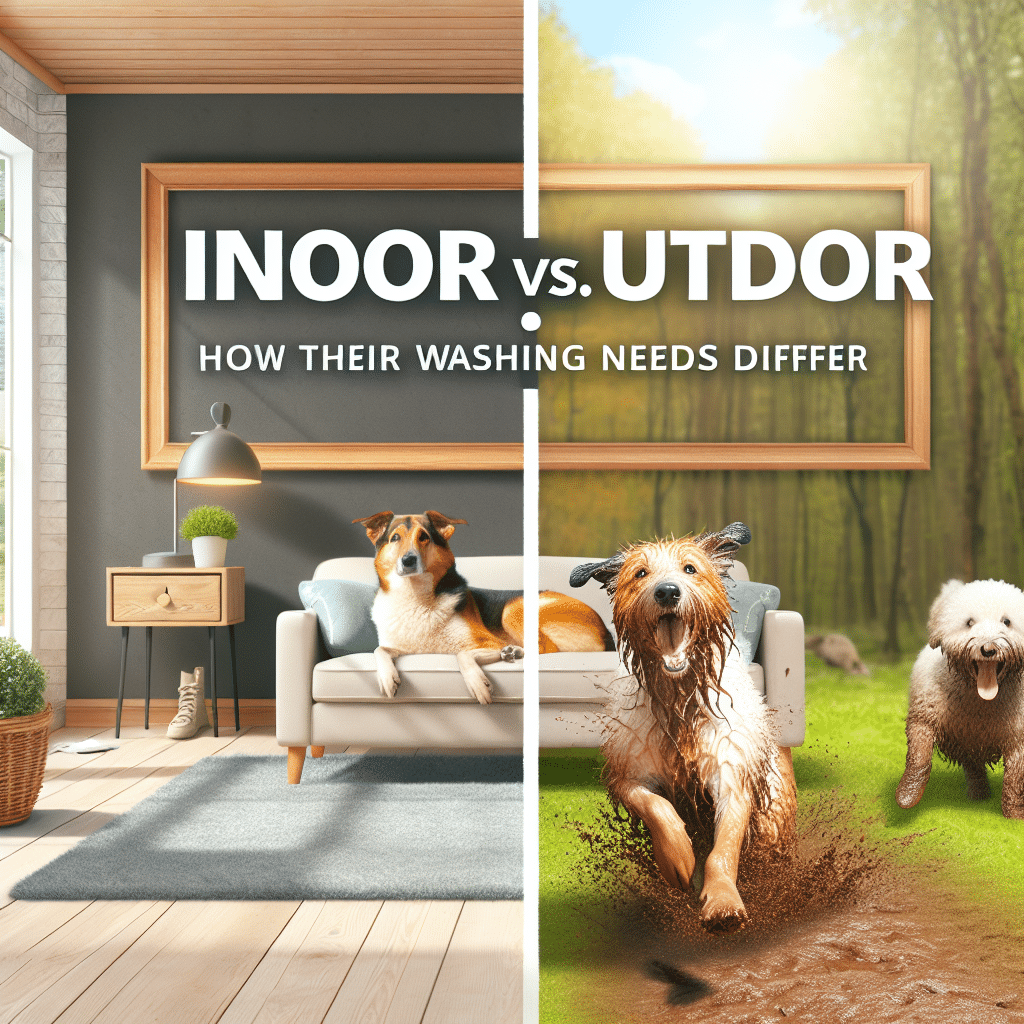
Indoor vs. Outdoor Dogs: How Their Washing Needs Differ
Bringing a dog into your home is an exciting journey, but it also comes with responsibilities—one of the most important being proper grooming. Whether your furry friend lives primarily indoors, outdoors, or a mix of both, their environment significantly influences their bathing and grooming needs. Understanding these differences can help you keep your dog healthy, comfortable, and clean while optimizing your grooming routine.
In this article, we’ll explore how the living environment impacts a dog’s washing requirements. From choosing the right products to adjusting bathing frequency, and sharing practical tips for both indoor and outdoor dog grooming, this comprehensive guide aims to help pet owners make informed decisions. Let’s dive into the distinct grooming needs of indoor and outdoor dogs and discover how to tailor your approach for the best results.
Understanding the Distinct Grooming Needs of Indoor and Outdoor Dogs
Indoor dogs tend to have different grooming needs compared to outdoor dogs, primarily because their environment influences their exposure to dirt, debris, and skin conditions. Typically, indoor dogs are cleaner because they’re less exposed to mud, grass, and outdoor elements, but they still require regular bathing to maintain skin health and coat cleanliness. Their grooming routines often focus on maintaining a shiny coat, preventing skin infections, and managing shedding.
Outdoor dogs are more exposed to dirt, mud, insects, and environmental pollutants, making their grooming needs more intensive. They often accumulate debris in their fur and may develop mats or skin conditions due to prolonged exposure to the elements. As a result, outdoor dogs may require more frequent baths, especially after outdoor activities like hiking, swimming, or playing in the dirt. Their grooming routine may also include checking for ticks, fleas, and other pests that are common in outdoor environments.
Another critical aspect is the breed and coat type. For example, a long-haired outdoor retriever might need more frequent brushing and bathing compared to a short-haired indoor Chihuahua. Similarly, double-coated breeds like Huskies or Malamutes shed heavily and benefit from regular grooming sessions that include bathing, brushing, and de-shedding to manage loose fur, regardless of living environment. Recognizing these nuanced needs ensures that grooming practices are tailored to your dog’s specific lifestyle and coat type.
Selecting Suitable Bathing Products for Different Environments
Choosing the right grooming products is vital to meet your dog’s needs, especially considering whether they’re an indoor or outdoor dog. For indoor dogs, mild and moisturizing shampoos are generally ideal, as they help maintain the skin’s natural oils and prevent dryness. Look for products that are free from harsh chemicals, synthetic fragrances, and parabens, especially if your dog has sensitive skin. Incorporating conditioners or soothing sprays can also enhance coat health and make grooming sessions more comfortable.
In contrast, outdoor dogs often require more robust cleaning products that can cut through dirt, mud, and other outdoor residues. Enzymatic or deep-cleaning shampoos are effective options for removing embedded debris and odor. If an outdoor dog spends a lot of time swimming or rolling in mud, a medicated or antibacterial shampoo might be beneficial to prevent skin infections or irritation. Additionally, using pest-repellent shampoos can help keep fleas and ticks at bay, especially in humid or heavily wooded areas.
It’s equally important to consider the coat type when selecting grooming products. For example, a dog with a thick double coat might benefit from a deshedding shampoo or a coat-specific conditioner that helps manage shedding and keeps the fur soft. Long-haired breeds may also require detangling sprays or leave-in conditioners to prevent mats and tangles. Always read labels carefully and consult your veterinarian if you’re unsure which products are best suited for your dog’s environment and coat type.
Adjusting Bathing Frequency Based on Living Conditions and Activity Levels
One of the most common questions among dog owners is how often to bathe their pets. The answer varies significantly based on whether your dog is an indoor or outdoor pet, as well as their activity level. Indoor dogs typically require less frequent baths—generally every 4 to 8 weeks—unless they have skin conditions or allergies. Regular brushing can also help control shedding and dirt, reducing the need for frequent washing. However, if an indoor dog is prone to allergies or skin sensitivities, more frequent baths with gentle shampoos may be necessary.
Outdoor dogs often need bathing more frequently, especially after outdoor adventures or exposure to dirt and grime. For active outdoor dogs, a bath every 2 to 4 weeks is often recommended, but this can vary depending on how dirty they get and their skin health. If your outdoor dog spends a lot of time swimming or playing in muddy fields, immediate rinsing or bathing may be required to prevent skin irritation or infections. Conversely, over-bathing outdoor dogs can strip their natural oils, leading to dry skin, so strike a balance based on their activity and condition.
It’s also essential to consider your dog’s individual needs, including skin health, coat condition, and breed-specific grooming requirements. For example, some breeds with sensitive skin may only need baths when visibly dirty, while others benefit from regular grooming to prevent matting or skin issues. Regularly consulting with your veterinarian can help you develop a bathing schedule that promotes overall health without causing unnecessary dryness or irritation.
Tips for Effective Indoor Dog Washing and Outdoor Dog Grooming
Grooming indoors and outdoors requires different approaches to ensure your dog’s comfort and hygiene. For indoor washing, choose a quiet, warm space such as a bathtub or a designated grooming area. Use lukewarm water, as hot water can irritate the skin, and gently wet the coat before applying shampoo. Be sure to rinse thoroughly to remove all soap residues, which can cause irritation or dryness if left behind. Using a non-slip mat in the tub can help prevent slipping and make the process safer for your dog.
Outdoor grooming, on the other hand, often involves dealing with more debris and environmental elements. A sturdy, outdoor-friendly setup such as a hose with a spray nozzle makes rinsing easier. When bathing outdoors, protect your dog from direct sunlight to prevent overheating and use water that’s comfortably warm. After bathing, towel-dry your dog thoroughly and, if needed, use a blow dryer on a low heat setting. Regular brushing before and after baths helps remove loose fur and dirt, making the cleaning process more efficient.
Another useful tip is to incorporate positive reinforcement during grooming sessions. Use treats, praise, and gentle handling to make your dog comfortable with baths, especially if they’re not used to it. For outdoor dogs, consider grooming in shaded areas and keeping the environment calm to reduce stress. Remember, patience and consistency are key. Over time, your dog will associate grooming with positive experiences, making future baths more manageable for both of you.
Maintaining Skin and Coat Health Through Proper Cleaning Practices
Proper grooming isn’t just about cleanliness; it directly impacts your dog’s skin and coat health. Regular bathing helps remove dirt, excess oils, and allergens from the coat, which can prevent skin infections and irritations. It’s also a crucial opportunity to check for signs of skin issues, parasites, or abnormalities such as lumps or redness. Using appropriate products suited to your dog’s environment and coat type ensures that you’re supporting their overall skin health.
For dogs with sensitive skin or allergies, selecting hypoallergenic shampoos and avoiding over-bathing are essential. Over-washing can strip the natural oils that protect the skin, leading to dryness and irritation. Incorporating conditioning treatments or coat oils can help restore moisture and maintain a healthy shine. Additionally, regular brushing distributes natural oils, removes loose fur, and stimulates blood flow to the skin, promoting healthier coats—especially for outdoor dogs with thicker or longer fur.
Nutrition also plays a vital role in maintaining coat health. A balanced diet rich in omega-3 and omega-6 fatty acids can reduce shedding, improve coat texture, and support skin integrity. Hydration is equally important; ensure your dog always has access to fresh water. Regular grooming combined with proper nutrition, routine health check-ups, and attention to your dog’s individual needs creates a holistic approach to maintaining a healthy, shiny coat and vibrant skin.
Conclusion
Understanding the differences in grooming needs between indoor and outdoor dogs is essential for providing the best care possible. Indoor dogs generally require gentler, less frequent baths focused on maintaining skin moisture and preventing irritation, while outdoor dogs benefit from more robust cleaning routines to remove dirt, debris, and pests. Selecting suitable grooming products and adjusting bathing frequency based on activity levels and environment ensures your dog remains comfortable and healthy.
Effective grooming practices also involve patience, proper technique, and attention to your dog’s specific coat and skin conditions. Whether washing indoors or outdoors, employing the right tools and routines can make grooming sessions more enjoyable for your dog and easier for you. Ultimately, consistent, tailored grooming supports your dog’s overall health, happiness, and well-being—an investment that pays off in a happy, healthy pet.
Remember: Regular grooming isn’t just about appearance; it’s a vital part of maintaining your dog’s health. Stay attentive to your pet’s needs, consult your veterinarian when in doubt, and approach grooming as a positive bonding experience. Your dog will thank you with a shiny coat, healthy skin, and a wagging tail!