
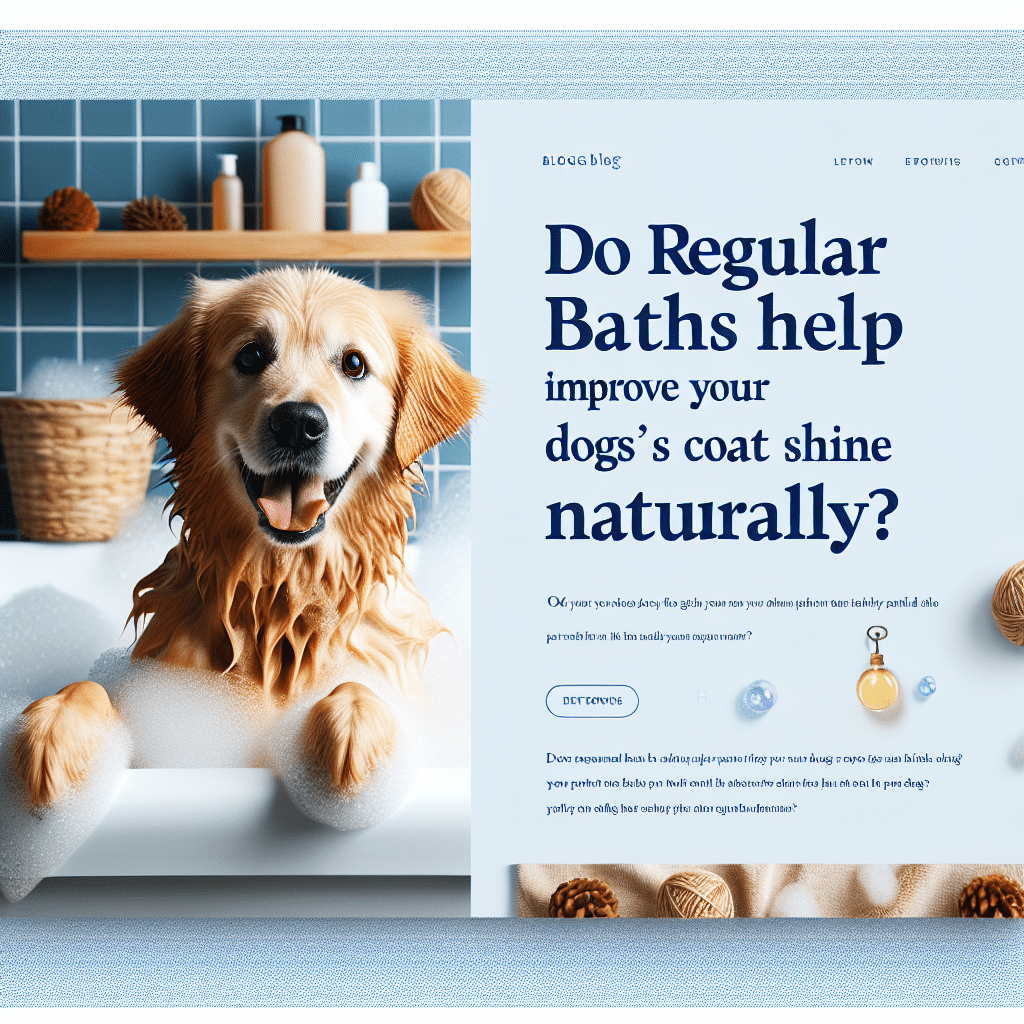
Do Regular Baths Help Improve Your Dog’s Coat Shine Naturally?
A shiny, healthy coat isn’t just about aesthetics; it’s a reflection of your dog’s overall health and well-being. Many dog owners wonder whether regular bathing can naturally boost their pet’s coat shine, or if it might do more harm than good. The truth is, when done properly, regular baths can play a significant role in maintaining a lustrous, healthy coat. But it’s not just about frequent washing—it’s about using the right products, techniques, and complementary grooming habits. In this article, we’ll explore how regular bathing impacts your dog’s coat, what products to choose, proper bathing techniques, and additional tips to enhance your furry friend’s appearance naturally. Whether you’re a new dog owner or looking to refine your grooming routine, this comprehensive guide will help you understand how to keep your dog’s coat looking its best.
The Benefits of Regular Bathing for a Dog’s Coat Health and Shine
Regular baths are more than a cosmetic routine; they’re an essential aspect of maintaining your dog’s overall health and coat condition. When done consistently, bathing helps to remove dirt, excess oils, and debris that can accumulate on your dog’s skin and fur. This buildup, if left unchecked, can lead to dullness, matting, and even skin infections, all of which diminish the natural shine of a healthy coat. Proper bathing routines help to keep the skin clean and free from irritants, promoting a lustrous and vibrant appearance.
Moreover, regular baths stimulate the production of natural oils (sebum) that are vital for a shiny coat. Sebum spreads evenly along the hair shaft during grooming, imparting a healthy glow and protecting the fur from environmental damage. When your dog’s coat is clean, these oils can do their job more effectively, resulting in a smoother, silkier texture and a radiant shine. It’s important to note, though, that over-bathing can strip these oils, so balance is key. A well-planned bathing schedule tailored to your dog’s breed, coat type, and activity level will maximize benefits without causing dryness or irritation.
Beyond just enhancing shine, regular bathing can also be a proactive way to detect skin issues early. During baths, you can check for signs of parasites, unusual lumps, or skin infections, all of which can negatively impact your dog’s coat quality. Addressing these issues promptly with your veterinarian ensures your dog remains comfortable and maintains a healthy, shiny coat. Ultimately, a consistent bathing routine, combined with good grooming habits, can significantly improve your dog’s coat shine naturally while supporting their overall health.
Choosing the Right Dog Shampoo and Grooming Products for Optimal Coat Condition
Selecting the appropriate grooming products is crucial for enhancing your dog’s coat shine naturally. Not all shampoos are created equal—many commercial options contain harsh chemicals, artificial fragrances, and detergents that can strip away natural oils and lead to dryness or irritation. Instead, look for shampoos formulated specifically for dogs, preferably with natural, gentle ingredients like oatmeal, aloe vera, and coconut oil, which soothe the skin and promote a healthy coat. These ingredients help to clean without stripping essential oils, allowing your dog’s coat to retain its natural sheen.
If your dog has specific skin conditions, such as allergies, dermatitis, or excessive dryness, choose products designed to address those concerns. For example, medicated shampoos containing ingredients like chlorhexidine or tea tree oil can help treat infections while maintaining coat health. Conversely, dogs with sensitive skin may benefit from hypoallergenic, fragrance-free shampoos that are less likely to cause irritation. Always check product labels for quality assurance and consult your veterinarian for personalized recommendations, especially if your dog has known skin issues or allergies. Using the right grooming products ensures a clean, shiny coat without compromising your dog’s skin health.
In addition to shampoos, consider incorporating grooming products such as conditioners, coat sprays, or natural oils into your routine. Conditioners can add an extra layer of moisture, smoothing fur and enhancing shine, while natural oils like argan or jojoba can be applied sparingly to boost luster. Regular grooming brushes and combs are also essential for evenly distributing oils and removing loose fur, dirt, and tangles. When selecting grooming products, prioritize those with natural, safe ingredients, and avoid those with harsh chemicals that can damage the coat or irritate the skin. Proper product selection, combined with consistent grooming, sets the foundation for a shiny, healthy coat that looks and feels amazing.
Proper Bathing Techniques to Enhance Coat Shine and Maintain Skin Health
The way you bathe your dog can significantly influence the health and shine of their coat. Start by thoroughly brushing your dog’s fur before the bath to remove loose hair, mats, and dirt. This step not only makes washing more effective but also prevents tangles and matting during the process. When it’s time to bathe, use lukewarm water—hot water can strip natural oils and cause dryness, while cold water may not clean effectively. Gently massage the shampoo into the coat, focusing on the skin rather than just the fur, to ensure thorough cleaning and stimulate blood flow.
Be sure to rinse your dog thoroughly to remove all traces of shampoo, as residual product can cause irritation or dullness over time. When drying, use a soft towel to gently pat the coat dry, avoiding vigorous rubbing that can cause damage or matting. If your dog tolerates it, a blow dryer on a low, cool setting can help speed up drying while also fluffing the coat, which can enhance shine. During the drying process, continue to brush the coat to help distribute natural oils evenly. Proper technique, patience, and gentle handling during baths can prevent stress and promote healthier, shinier fur.
Consistency and routine are key factors for maintaining a shiny coat through bathing. Establish a regular schedule based on your dog’s breed, coat type, and lifestyle—generally, every 4-8 weeks is sufficient for most dogs. Over-bathing can strip natural oils and cause dryness, whereas infrequent baths might lead to buildup and dullness. Remember, the goal isn’t just cleaning but also preserving and enhancing the natural shine of your dog’s coat. Incorporating proper bathing techniques ensures your dog’s skin remains healthy and their coat remains vibrant, shiny, and full of life.
Additional Tips for Improving Your Dog’s Coat Appearance Beyond Bathing
While regular baths are important, other grooming habits and lifestyle choices play a vital role in improving your dog’s coat shine naturally. Regular brushing is one of the simplest yet most effective ways to distribute natural oils along the hair shaft, remove loose fur, and prevent mats, all of which contribute to a healthier, shinier coat. Different breeds require specific grooming tools—slicker brushes, pin brushes, or deshedding tools—so choose the right equipment for your dog’s coat type. Brushing also allows you to check for skin abnormalities, parasites, or signs of irritation early, helping you address issues before they impact coat quality.
Diet is another crucial factor influencing coat health. Providing a balanced, high-quality diet rich in omega-3 and omega-6 fatty acids can significantly enhance coat shine and overall skin health. These essential fatty acids support cell regeneration and can reduce inflammation, leading to a softer, glossier coat. Supplements like fish oil or specially formulated dog foods containing added omega oils can be beneficial, but always consult your veterinarian before making dietary changes. Hydration is equally important—ensure your dog has constant access to fresh water, as dehydration can lead to dull, brittle fur.
Environmental factors and regular health checkups also impact your dog’s coat appearance. Exposure to harsh weather conditions, pollution, or allergens can cause dryness, irritation, and dullness. Using protective gear such as doggy sweaters or coats in cold weather, and limiting sun exposure, can help maintain coat vitality. Regular veterinary visits ensure your dog’s skin and coat are healthy and free from underlying conditions like allergies, parasites, or hormonal imbalances that could affect shine. By combining good grooming habits, a nutritious diet, and protective measures, you can naturally enhance your dog’s coat shine and keep their fur looking vibrant and healthy.
Recognizing Signs of Coat and Skin Problems That May Affect Shine
A shiny coat is often a sign of good health, but changes in coat quality or skin condition can signal underlying issues that require attention. One common problem is dry, flaky skin, which can cause dullness and lead to itching or discomfort. This may be caused by allergies, nutritional deficiencies, or environmental factors. Similarly, excessive shedding, hair loss, or bald patches could indicate hormonal imbalances, parasites, or skin infections. Recognizing these signs early allows you to seek veterinary advice and address problems before they worsen or impact your dog’s coat shine.
Other symptoms to watch for include persistent redness, swelling, or inflammation, which may point to dermatitis or infections. Unusual odors, crusty or scaly patches, and the presence of fleas or ticks should also raise concern. If your dog is scratching or biting excessively, it could be a sign of allergies or skin irritation, which can dull the coat’s appearance and compromise skin health. Persistent issues like these may require medicated treatments, dietary adjustments, or specialized grooming routines to restore coat vitality. Regularly inspecting your dog’s skin and coat can help you catch problems early and take corrective actions.
Finally, changes in coat texture or color—such as dullness, greasiness, or discoloration—may indicate nutritional deficiencies or systemic health issues. For example, a lack of essential fatty acids can lead to a lackluster coat, while hormonal problems like hypothyroidism can cause hair thinning or changes in coat quality. Consulting your veterinarian for a thorough examination and appropriate testing can identify underlying causes and guide effective treatment. Addressing coat and skin problems promptly not only improves your dog’s appearance but also ensures their comfort and long-term health.
Conclusion
Maintaining a shiny, healthy coat is a holistic process that combines proper bathing, good grooming habits, a nutritious diet, and attentive health care. Regular baths, when done with the right products and techniques, can effectively remove dirt, excess oils, and debris, helping your dog’s coat glow naturally. Choosing gentle, natural shampoos tailored to your dog’s specific needs, and practicing proper bathing methods, ensures that your pet’s skin remains healthy and their fur vibrant. Beyond bathing, consistent brushing, a balanced diet rich in omega fatty acids, and environmental protections play vital roles in enhancing coat shine and overall health.
Additionally, staying vigilant for signs of skin and coat problems allows you to address issues early, preventing long-term damage and ensuring your dog’s comfort. Remember, a shiny coat is not just about appearance; it’s a reflection of your dog’s health and happiness. By adopting a comprehensive grooming approach and providing the right care, you can naturally promote a lustrous, resilient coat that’s full of life. So, keep these tips in mind, and your furry friend will thank you with a beautiful, shining coat that radiates health and vitality.