

Dog Bath Time Checklist: Ensure Your Pet’s Health and Comfort
Giving your dog a bath isn’t just about keeping them clean; it’s a vital part of maintaining their overall health, hygiene, and happiness. A proper bath can prevent skin infections, reduce shedding, and even serve as an opportunity to check for health issues like parasites or skin irritations. However, bath time can sometimes feel overwhelming for both pet owners and their furry friends if not prepared properly. That’s why having a comprehensive Dog Bath Time Checklist is essential—so you can create a safe, comfortable, and effective bathing experience for your dog. In this article, we’ll walk you through everything you need to know, from essential supplies to post-bath care, ensuring your dog stays healthy, happy, and fresh.
Essential Supplies and Preparations for Dog Bathing
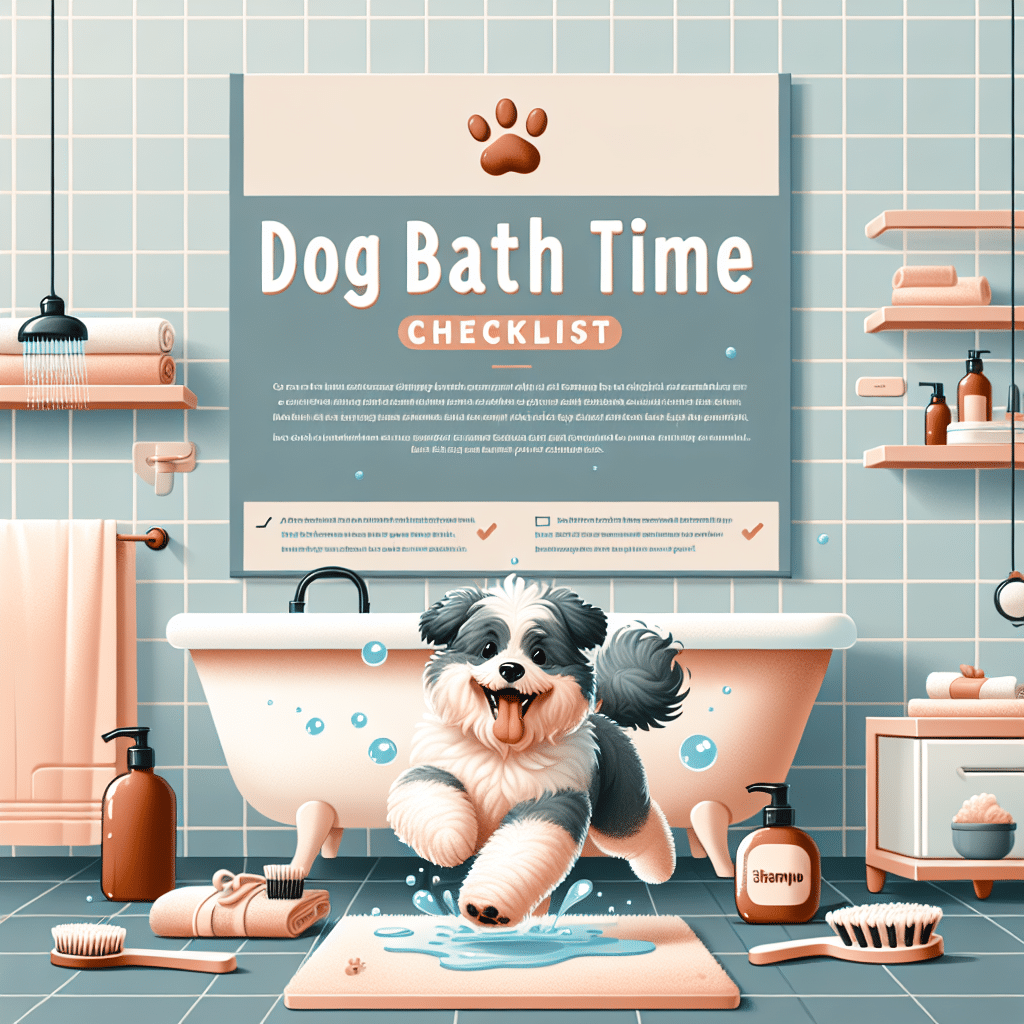
Starting with the right supplies and preparations sets the stage for a successful bath. First, gather all necessary items beforehand—this prevents last-minute scrambling and helps keep your dog calm and secure throughout the process. Essential supplies include a gentle dog-specific shampoo, a conditioner if needed, a brush or comb suitable for your dog’s coat type, and a non-slip mat or towel for your bathtub or shower area. Additionally, have a few towels ready for drying, a cup or spray nozzle for rinsing, and pet-safe wipes or ear cleaner for quick cleanups if necessary.
Preparation is equally important. Before bringing your dog into the bathing area, brush out any tangles or mats, especially if your dog has long or thick fur. This step prevents mats from forming further during bathing and minimizes discomfort. Make sure the water temperature is lukewarm—hot water can irritate your dog’s skin, while cold water may cause discomfort or reluctance. Check the area for potential hazards like sharp edges or slippery surfaces, and consider placing a non-slip mat to give your dog secure footing. If your dog is nervous or new to baths, introducing the bathing area gradually and offering treats or praise can help ease their anxiety.
Safety should always be a priority. Keep a close eye on your dog during the bath, especially around the face and ears. Never use human shampoo—dog-specific shampoos are formulated to maintain their skin’s pH balance and prevent irritation. Consider having a friend or family member assist if your dog is large or anxious, helping to hold or comfort them. Lastly, plan your bath during a time when your dog is relaxed, perhaps after a walk or play session, to make the experience more positive overall.
Step-by-Step Guide to Proper Dog Bathing Techniques
Performing a dog bath properly ensures thorough cleaning while minimizing stress and discomfort. Start by placing your dog in the bathing area—either a bathtub, shower, or a designated bathing station—on a non-slip surface. Gently wet your dog’s coat using lukewarm water, avoiding the head and ears initially to prevent water from entering their ears or eyes. Use a cup or a spray nozzle to control water flow, and speak softly to keep your dog calm. Always ensure the water isn’t too forceful, which can frighten your pet or cause injury.
Apply a dog-specific shampoo, lathering gently and thoroughly across the coat, paying attention to commonly dirty areas like paws, underbelly, and behind the ears. For dogs with longer fur, take the time to work the shampoo through the layers, ensuring a proper cleanse. Rinse thoroughly to remove all soap residue, as leftover shampoo can cause itching or skin irritation. If your dog has a tendency to skin issues or allergies, consider using medicated or hypoallergenic shampoos, and follow your veterinarian’s recommendations for frequency. For added cleanliness, you can follow up with a conditioner designed for dogs, which helps detangle fur and protect the skin.
When it’s time to dry, gently squeeze out excess water without twisting or pulling the fur. Pat your dog dry with towels, taking care of sensitive areas like the face, ears, and paws. For longer-haired breeds, a blow dryer set on a low, cool setting can help speed up the drying process, but always keep the dryer moving to prevent overheating or burning the skin. During the entire bath, maintain a calm, soothing tone and offer treats or praise to reinforce a positive association with bath time. Remember, patience and gentle handling are key to making this routine a pleasant experience for your dog.
Ensuring Comfort and Safety During Bath Time
Comfort and safety during bath time are crucial to prevent accidents and make the experience enjoyable for your dog. Always supervise your pet closely—never leave them unattended in the bath, especially if they’re prone to slipping or trying to escape. Use a non-slip mat or towel under your dog’s paws to prevent slipping, which can cause injuries or increase anxiety. Keep the bathing environment warm and draft-free, as cold air can make your dog uncomfortable after getting wet, especially in cooler climates or winter months.
Pay attention to your dog’s body language; signs of stress like trembling, trying to escape, or vocalizations mean it’s time to slow down or take breaks. Incorporate positive reinforcement, such as praise, treats, or gentle petting, to help your dog associate bath time with pleasant experiences. For dogs with sensitive skin or health issues, consult your veterinarian for specific safety tips or bathing routines. Be cautious with the ears—avoid getting water inside, which can lead to infections—and gently clean the eyes and face with damp wipes if needed.
In addition, consider your dog’s individual needs and temperament. Some breeds are more tolerant of baths, while others may require extra patience or specialized handling. If your dog has a history of water anxiety, consult a professional trainer or veterinarian for techniques to desensitize them gradually. Also, be prepared for emergencies—know how to handle scratches or bites calmly, and keep a first aid kit nearby. The goal is to create a safe, calm environment where your dog feels secure and loved, turning bath time into a routine they can tolerate or even enjoy.
Post-Bath Care and Drying Tips for Healthy Skin and Coat
After the bath, proper post-bath care is vital for maintaining your dog’s skin health and shiny coat. First, carefully dry your dog using soft towels, gently patting and squeezing out excess water—avoid vigorous rubbing, which can cause skin irritation or matting. For longer-haired breeds, a blow dryer set on a cool or low heat setting can help speed up drying while minimizing the risk of burns or overheating. Keep the dryer moving constantly, and maintain a safe distance from the skin to prevent discomfort.
Once dry, brush your dog’s coat thoroughly to remove loose hair, prevent matting, and distribute natural oils that keep the skin healthy. Regular brushing also helps keep the coat shiny and free of dirt and debris, reducing the frequency of baths needed over time. If your dog has skin conditions or sensitivities, consider applying a moisturizer or medicated spray recommended by your veterinarian. Check your pet’s skin and coat for any abnormalities—such as redness, irritation, bumps, or parasites—and address issues promptly to prevent infections or discomfort.
Finally, pay attention to the ears, teeth, and paws after bathing. Gently dry and clean the ears if necessary, using vet-approved solutions, especially if your dog is prone to ear infections. Brushing your dog’s teeth with a pet-safe toothbrush and toothpaste is also recommended for overall health. Regularly inspect the paws and trim the nails if needed, as wet fur can hide issues like cuts or foreign objects. Establishing a calming post-bath routine, including cuddles or treats, can reinforce positive associations and help your dog feel relaxed and loved after their cleansing session.
Maintenance Routine for Long-Term Dog Hygiene and Well-Being
Maintaining your dog’s hygiene year-round isn’t just about occasional baths; it’s about establishing a consistent routine that promotes overall health and prevents common skin or coat problems. Regular brushing—most dogs benefit from at least once or twice weekly—helps remove loose fur, reduce shedding, and distribute natural oils. For breeds with longer or thicker coats, more frequent grooming may be necessary to prevent mats and tangles, which can trap dirt and moisture, leading to skin infections.
In addition to brushing, routine ear cleaning, teeth brushing, and paw inspections are essential components of long-term hygiene. Clean your dog’s ears weekly or as recommended by your veterinarian to prevent infections, especially if your dog spends a lot of time outdoors or has floppy ears. Dental care, including brushing teeth several times a week, helps prevent plaque buildup, bad breath, and periodontal disease. Regularly trimming nails prevents discomfort and potential injury, especially since long nails can cause walking issues or breakage.
Finally, schedule professional grooming or bathing sessions as needed based on your dog’s breed, coat type, and lifestyle. Dogs with oily coats or those prone to skin issues may require more frequent baths, while others may only need occasional cleanings. Always use high-quality, vet-recommended grooming products, and tailor your routine to your dog’s specific needs. Consistency is key—by maintaining a disciplined hygiene schedule, you’ll ensure your dog remains not only clean but also healthy, comfortable, and happy for years to come.
Conclusion
A well-organized Dog Bath Time Checklist is the foundation for keeping your furry friend healthy, comfortable, and happy. From gathering essential supplies and preparing the bathing area to mastering proper techniques and ensuring post-bath care, each step plays a vital role in the overall well-being of your pet. Remember, patience and gentleness during bath time help foster trust and reduce anxiety, making future baths easier and more pleasant. Regular maintenance routines, including grooming and health checks, support your dog’s long-term hygiene and prevent common issues that can compromise their health.
By approaching dog bathing as a caring and routine part of your pet’s life, you’re not only keeping them clean but also strengthening your bond. So, equip yourself with this comprehensive checklist, stay consistent, and always prioritize your dog’s safety and comfort. In doing so, you’ll ensure that bath time remains a positive experience—one that contributes to a healthier, happier life for your beloved companion.