


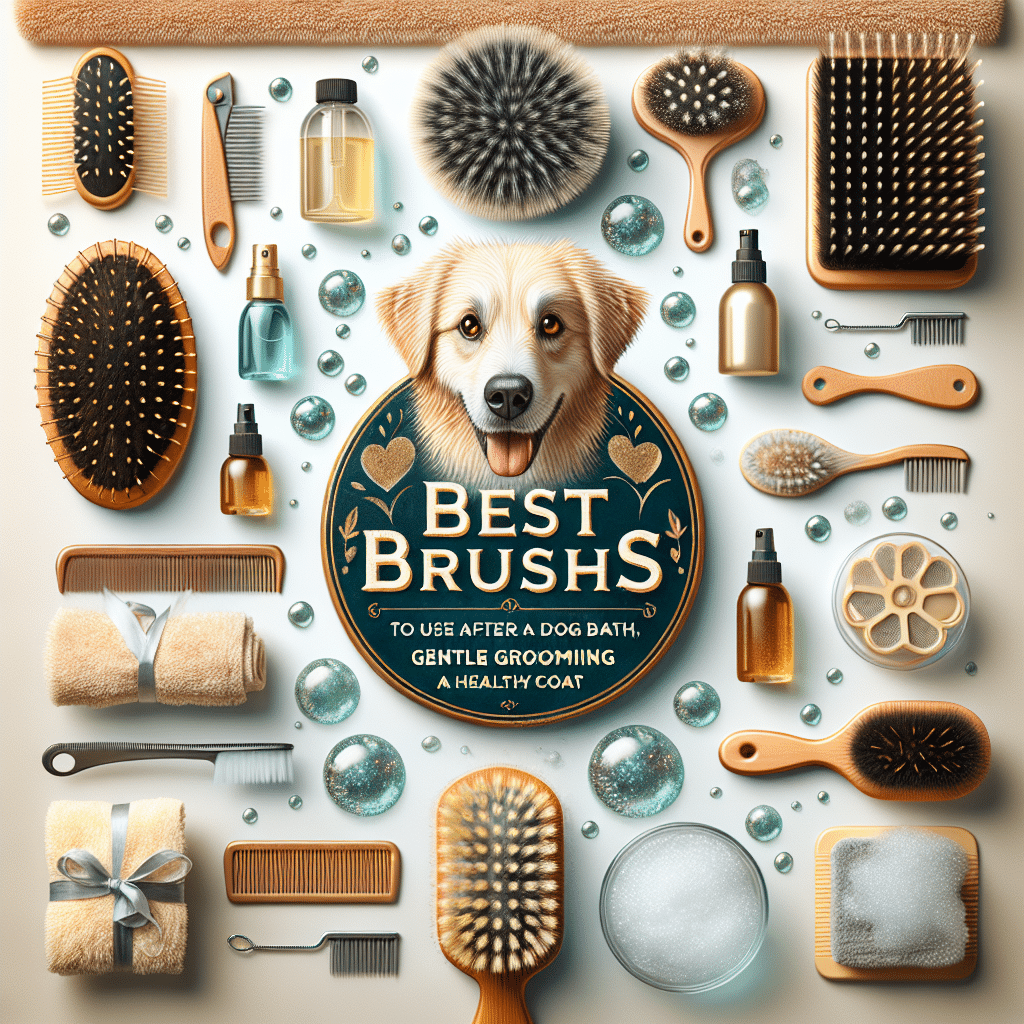
Best Brushes to Use After a Dog Bath: Gentle Grooming Tips for a Healthy Coat
Giving your dog a bath is just the beginning of proper grooming; the real magic happens when you carefully brush your pup afterward. Not only does brushing keep your dog’s coat looking shiny and healthy, but it also promotes good skin health, reduces shedding, and strengthens your bond. Choosing the right brushes for post-bath grooming can make all the difference. In this article, we’ll explore the best types of brushes to use after a dog bath, the benefits of proper grooming, a step-by-step brushing guide, tips for selecting the right tools based on coat type and size, and how to maintain your brushes for long-lasting use.
Types of Dog Brushes Recommended for Post-Bath Grooming
When it comes to grooming your dog after a bath, selecting the right brush is crucial to ensure gentle, effective cleaning without causing discomfort. Among the most recommended options are slicker brushes, pin brushes, and rubber brushes. Slicker brushes feature fine, short wire bristles close together, making them excellent for removing loose hair, dirt, and debris from thick or curly coats. They are especially useful for breeds like Poodles, Bichon Frises, and Portuguese Water Dogs, which tend to mat easily if not brushed properly after bathing.
Pin brushes are outfitted with longer metal pins, often tipped with plastic or rubber, which make them ideal for dogs with longer, flowing coats such as Golden Retrievers or Afghan Hounds. These brushes gently detangle and smooth the fur without pulling too harshly, making them a gentle option for sensitive skin. Rubber brushes or grooming gloves are particularly popular for short-haired or sleek-coated breeds like Beagles or Doberman Pinschers. These brushes are gentle, help to loosen loose hair, and stimulate blood circulation—perfect for a relaxing post-bath massage.
Another noteworthy category is detangling brushes, which combine features of slickers and pin brushes. They’re designed specifically to tackle mats and tangles that often form after baths, especially in breeds prone to matting. These tools typically have flexible bristles or teeth that contour to the body’s shape, providing a thorough yet gentle grooming session. Choosing the right type of brush depends on your dog’s coat length, texture, and sensitivity, but having a selection can help you adapt to your dog’s grooming needs at each stage.
Benefits of Using the Right Brushes After Bathing Your Dog
Proper brushing after a bath isn’t just about maintaining a sleek appearance—it’s an essential step for your dog’s overall health. Using the appropriate brush improves coat quality by distributing natural oils evenly across the skin, promoting a healthy, shiny coat. This distribution helps prevent dryness, flakiness, and dullness, making your dog look and feel better. Additionally, gentle post-bath brushing helps to remove excess loose hair and dirt that may have been loosened during washing, reducing shedding around your home and preventing mats from forming.
Beyond coat health, using the right brush can significantly improve your dog’s skin health. Regular brushing stimulates blood circulation, which encourages nutrient delivery to skin cells and can help alleviate issues like dry patches or irritation. It also provides a calming, massage-like experience that can reduce anxiety and boost your dog’s overall well-being. For dogs with sensitive or allergy-prone skin, choosing gentle brushes minimizes discomfort and prevents aggravating skin conditions, making grooming a positive routine rather than a stressful chore.
Another important benefit is that consistent, gentle brushing after baths helps you catch skin issues early. Conditions like hot spots, rashes, or parasites are easier to identify when your dog’s coat is well-maintained and free of tangles. Regular grooming also strengthens the bond between you and your dog, turning a necessary routine into a pleasurable activity for both. Ultimately, investing in the right brushes enhances your dog’s comfort, health, and happiness, creating a more enjoyable grooming experience while maintaining a beautiful, healthy coat.
Step-by-Step Guide to Properly Brushing Your Dog Post-Bath
Brushing your dog after a bath might seem straightforward, but doing it correctly ensures your pet’s comfort and maximizes grooming benefits. Start by choosing the right brush for your dog’s coat type and size. Before beginning, make sure your dog is dry enough—wet fur can be fragile and more prone to breakage—so allow a few minutes for the coat to air dry or use a towel to blot excess moisture. If your dog’s coat is prone to mats, consider applying a conditioner or detangler spray to make brushing easier and prevent pulling.
Begin gently by petting your dog with your hand to relax them before you start brushing. Work from the head and neck, using smooth, gentle strokes, and gradually move toward the back, sides, and tail. Use short, controlled strokes to lift loose fur and dirt, paying special attention to areas prone to matting, such as behind the ears, underarms, and around the collar. For breeds with curly or dense coats, work in sections, detangling any knots carefully with a slicker or detangling brush—never force through a tangle, as this can cause discomfort or skin irritation.
As you brush, keep an eye out for any skin issues, parasites, or abnormalities such as redness, bumps, or cuts. If you encounter mats, gently work through them with a detangling tool or your fingers; avoid pulling or ripping the hair. Finish by giving your dog a gentle massage or praise to reinforce a positive experience. Regularly check your brush for accumulated hair or debris, and clean it after each session to maintain its effectiveness and hygiene. Consistent, gentle, and thorough brushing after baths ensures your dog’s coat remains healthy, shiny, and free of mats.
Tips for Choosing the Best Brush Based on Coat Type and Size
Selecting the perfect grooming brush depends heavily on your dog’s unique coat type and size. For short-haired breeds like Dachshunds, Boxers, or Beagles, rubber grooming gloves or soft bristle brushes are often sufficient. These tools are gentle, effective at removing loose hair, and suitable for daily or weekly grooming routines. Medium to long-haired breeds like Collies or Shelties require brushes with longer pins or specialized slickers that can reach deep into the dense fur to prevent tangles and mats.
For curly or wiry coats—think Poodles, Irish Water Spaniels, or Lagotto Romagnolos—a slicker brush with fine, closely spaced wires is ideal for detangling without causing discomfort. Their dense curls require regular, gentle brushing to prevent mats from forming and to keep the coat looking its best. When choosing a brush for large dogs, opt for ergonomically designed handles that provide comfort during extended grooming sessions, especially if your dog has a thick or double coat that takes longer to dry and groom after a bath.
Size also matters; small breeds like Chihuahuas or Yorkshire Terriers benefit from compact, lightweight brushes that can maneuver easily around smaller, delicate areas. Larger breeds require sturdier, wider brushes to cover more surface area efficiently. Remember to consider your dog’s sensitivity—if your pup has sensitive skin, opt for brushes with soft bristles or rubber tips to prevent irritation. A good understanding of your dog’s coat and size allows you to select tools that make grooming easier, quicker, and more pleasant for your furry friend.
Maintaining and Cleaning Your Dog’s Brushes for Long-Term Use
A well-maintained grooming brush can last for years and continue to serve your dog’s grooming needs effectively. After each grooming session, remove loose hair from your brush using your fingers, a comb, or a specialized cleaning tool. Regular cleaning prevents buildup and ensures the bristles or pins stay in good condition. For brushes with metal pins or wires, soak them in warm, soapy water periodically to remove dirt, oil, and hair residues. Use a toothbrush or small brush to scrub between the bristles and dislodge stubborn debris.
Disinfect your brushes occasionally by soaking them in a solution of equal parts water and apple cider vinegar or a mild pet-safe disinfectant. Rinse thoroughly and allow the brushes to air dry completely before storing. Proper drying prevents rust on metal parts and mold or bacteria growth on synthetic materials. When cleaning brushes with natural bristles or wooden handles, avoid soaking for extended periods to prevent damage; instead, wipe with a damp cloth and dry immediately. Regular maintenance not only prolongs the life of your grooming tools but also maintains the health and safety of your dog.
Store your brushes in a clean, dry place away from direct sunlight or moisture. Consider keeping different brushes for specific coat types or grooming tasks to avoid cross-contamination. Replacing worn or damaged brushes promptly ensures your grooming routine remains gentle and effective, preventing discomfort for your dog. By caring for your brushes diligently, you invest in a grooming tool that continues to support your dog’s coat health and makes grooming sessions more efficient and enjoyable over time.
Conclusion
Post-bath grooming plays a vital role in maintaining your dog’s coat health, skin integrity, and overall happiness. Selecting the best brushes—whether slicker, pin, rubber, or detangling—depends on your dog’s coat type, size, and sensitivity. Using the right tools not only makes grooming easier and more comfortable but also unlocks numerous benefits, including reduced shedding, improved coat shine, and early detection of skin issues. Following a gentle, step-by-step brushing routine ensures your dog remains calm and relaxed during grooming sessions.
Remember, regular maintenance of your grooming brushes is just as important as choosing the right tools. Clean and store them properly to keep them effective and prolong their lifespan. Ultimately, investing time and care into post-bath grooming creates a healthier, happier, and more beautiful coat for your furry friend. So, take the time to select, use, and maintain the best brushes—your dog will thank you with wagging tails, shiny fur, and vibrant health.