


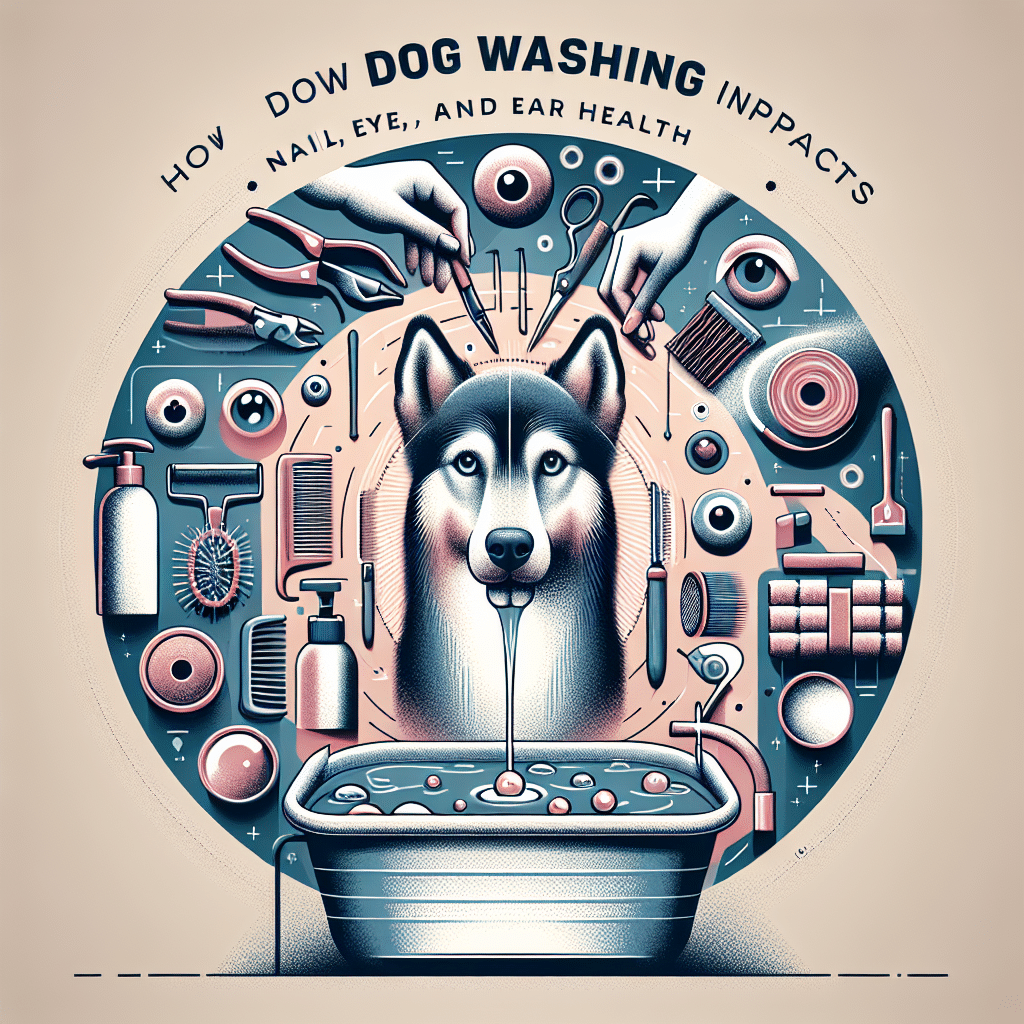
How Dog Washing Impacts Nail, Eye, and Ear Health: Tips for Pet Care
Caring for a dog isn’t just about providing food and love—it also involves maintaining their hygiene to keep them healthy and happy. While many pet owners focus on regular baths to keep their dogs clean, they might overlook how proper washing directly influences the health of sensitive areas like nails, eyes, and ears. Neglecting these aspects can lead to discomfort, infections, and long-term health issues. In this article, we’ll explore how regular and proper dog washing impacts these vital areas, share best practices for safe grooming, highlight common problems caused by poor grooming, and offer practical tips to keep your furry friend’s nails, eyes, and ears healthy between baths.
The Importance of Proper Dog Washing for Overall Hygiene and Health
Regular dog washing is a cornerstone of good pet hygiene that goes far beyond just giving your dog a shiny coat. Bathing helps remove dirt, bacteria, allergens, and parasites that accumulate on your dog’s fur and skin, reducing the risk of infections and allergic reactions. Proper hygiene is especially critical for dogs with skin conditions such as dermatitis or allergies, where dirt and buildup can exacerbate problems. Maintaining a clean coat also helps prevent the spread of zoonotic bacteria—those that can be transmitted from animals to humans—thus safeguarding your family’s health.
Beyond superficial cleanliness, washing your dog properly impacts their overall well-being by promoting good circulation and skin health. When done correctly, it helps distribute natural oils across the coat, keeping the skin moisturized and preventing dryness or irritation. Additionally, regular baths can serve as an opportunity to check for abnormalities, such as lumps, fleas, ticks, or skin infections, facilitating early intervention. In essence, consistent and proper washing is not just about appearance; it’s about ensuring your dog’s internal health and comfort.
Proper dog washing plays a key role in preventing common issues like foul odors, skin infections, and matting—especially in breeds with dense, long coats. It also encourages good grooming habits that can extend to nail, eye, and ear health. When your dog feels clean and comfortable, they’re more likely to tolerate routine grooming tasks, making it easier to maintain their health in the long run. Ultimately, investing time in correct bathing practices helps you nurture a happy, healthy pet with fewer health complications.
Effects of Regular Bathing on Nail, Eye, and Ear Care in Dogs
Regular bathing has a direct impact on maintaining the health of a dog’s nails, eyes, and ears. For nails, baths often coincide with other grooming routines like trimming, which prevents overgrown nails that can cause discomfort or abnormal gait. While water itself doesn’t affect nails directly, the process of washing provides an opportunity to inspect and address any issues such as cracks or fungal infections. Clean, well-maintained nails reduce the risk of snagging or breaking, which can be painful and lead to infections.
When it comes to eyes, proper washing helps reduce the buildup of tear stains, dirt, and debris that can irritate the sensitive tissues around the eyes. Dogs with long hair or breeds prone to eye discharge benefit from gentle cleaning with appropriate pet-safe wipes or diluted saline solutions during bath time. Keeping the area around the eyes clean minimizes the chances of irritation, conjunctivitis, or infections. However, it’s crucial to avoid getting soap or shampoo directly into the eyes, as this can cause stinging and discomfort, leading to pawing or scratching, which worsens the problem.
Ears are highly sensitive and prone to infections if not properly cared for. Regular bathing, when done carefully, helps prevent the accumulation of wax, dirt, and moisture that create breeding grounds for bacteria and yeast. Proper water drainage and drying during baths are essential to avoid dampness lingering in the ear canal, which can lead to infections like otitis externa. Dogs with floppy ears or those prone to allergies require special attention during baths, as their ears are more likely to trap moisture. Regular, gentle cleaning of the ears with vet-recommended solutions, combined with thorough drying, can significantly improve ear health and prevent painful infections.
Best Practices for Safe and Effective Dog Washing to Protect Sensitive Areas
Performing a dog bath may seem simple, but safeguarding your pet’s sensitive areas requires some know-how. First, choose the right location—using a non-slip surface or a bathtub with a sprayer can help you control water flow and prevent slips or injuries. Always use lukewarm water, as hot or cold water can cause discomfort or skin irritation. When applying shampoo, opt for a vet-recommended, gentle canine formula that’s free from harsh chemicals, fragrances, or dyes, especially if your dog has sensitive skin.
To protect the eyes during washing, avoid applying shampoo or soap directly to the face. Instead, use a damp cloth or pet-safe wipes to gently clean around the eyes, ensuring no soap residue remains in the delicate eye area. When rinsing, be thorough but gentle—residual soap can cause irritation or allergies. For the ears, gently lift the pinna and carefully wipe the outer ear with a vet-approved cleaner, avoiding inserting anything deep into the canal. Always dry ears thoroughly with a soft towel or a cotton ball, and consider using a hairdryer on a cool setting if your dog tolerates it, to prevent moisture buildup.
Another best practice is to keep your dog calm and comfortable during the process. Use positive reinforcement like treats and praise to make the experience pleasant. If you’re unsure about how to clean tricky areas like the ears or eyes, consult your veterinarian for tailored advice and demonstration. Regular grooming sessions that include checking and cleaning sensitive areas will build confidence and help you spot issues early, ensuring your dog’s health is safeguarded with each bath.
Common Issues Caused by Poor Dog Grooming and How to Prevent Them
Neglecting proper grooming can lead to a host of health problems, particularly affecting nails, eyes, and ears. Overgrown nails can cause pain, difficulty walking, and even lead to permanent deformities if left untrimmed. Thickened nails may also crack or break, creating painful wounds and exposing your dog to infections. Poor nail care can be easily prevented by regular trims and checking during baths, but many owners overlook this step, leading to unnecessary suffering.
Dirty or matted fur around the eyes can trap debris and cause irritation or infections like conjunctivitis. Excess tear stains and discharge, if left uncleaned, may result in bacterial growth and skin inflammation. Similarly, accumulation of wax and debris in the ears can lead to bacterial or yeast infections, causing itching, odor, and discomfort. These issues are often caused by inadequate cleaning or moisture retention, especially in breeds with floppy ears that trap moisture more easily.
Ignoring these grooming needs can also lead to secondary problems such as infections, pain, or behavioral issues due to discomfort. For example, an ear infection can cause a dog to shake their head excessively or scratch intensely, risking further injury or secondary infections. Preventing these issues starts with regular grooming and cleaning routines, including nail trims, gentle eye cleaning, and ear inspections. If you notice signs of infection—such as redness, swelling, foul odor, or excessive scratching—prompt veterinary attention is essential to address the problem early and prevent complications.
Tips for Maintaining Healthy Nails, Eyes, and Ears Between Baths
Keeping your dog’s nails, eyes, and ears healthy doesn’t end after bath time; daily and weekly care routines are vital to maintaining overall health. For nails, regularly check their length at home and trim them with dog-specific nail clippers to avoid overgrowth. If your dog resists nail trimming, consider using nail grinders or seeking professional grooming assistance. Incorporate gentle nail checks into everyday handling, and reward your dog for positive associations to make the process less stressful.
Eye health can be supported by daily gentle wiping with pet-safe wipes or a damp cloth to remove tear stains and debris. Pay attention to any signs of redness, swelling, or unusual discharge, which could indicate infection or other health issues. Regularly inspect the area around your dog’s eyes and ensure your pet’s hair is trimmed away from the eyes if they are long-haired breeds, reducing the risk of irritation from hair contact or debris accumulation.
For ears, establish a routine of weekly inspection and cleaning. Use vet-approved ear cleaners and soft cotton balls or pads to gently remove wax and dirt from the outer ear. Avoid inserting anything deep into the ear canal, as this can cause damage or push debris further inside. Dry ears thoroughly after baths, especially if your dog has floppy ears, to prevent moisture buildup. If you notice persistent odor, redness, or excessive scratching, consult your veterinarian promptly for diagnosis and treatment.