

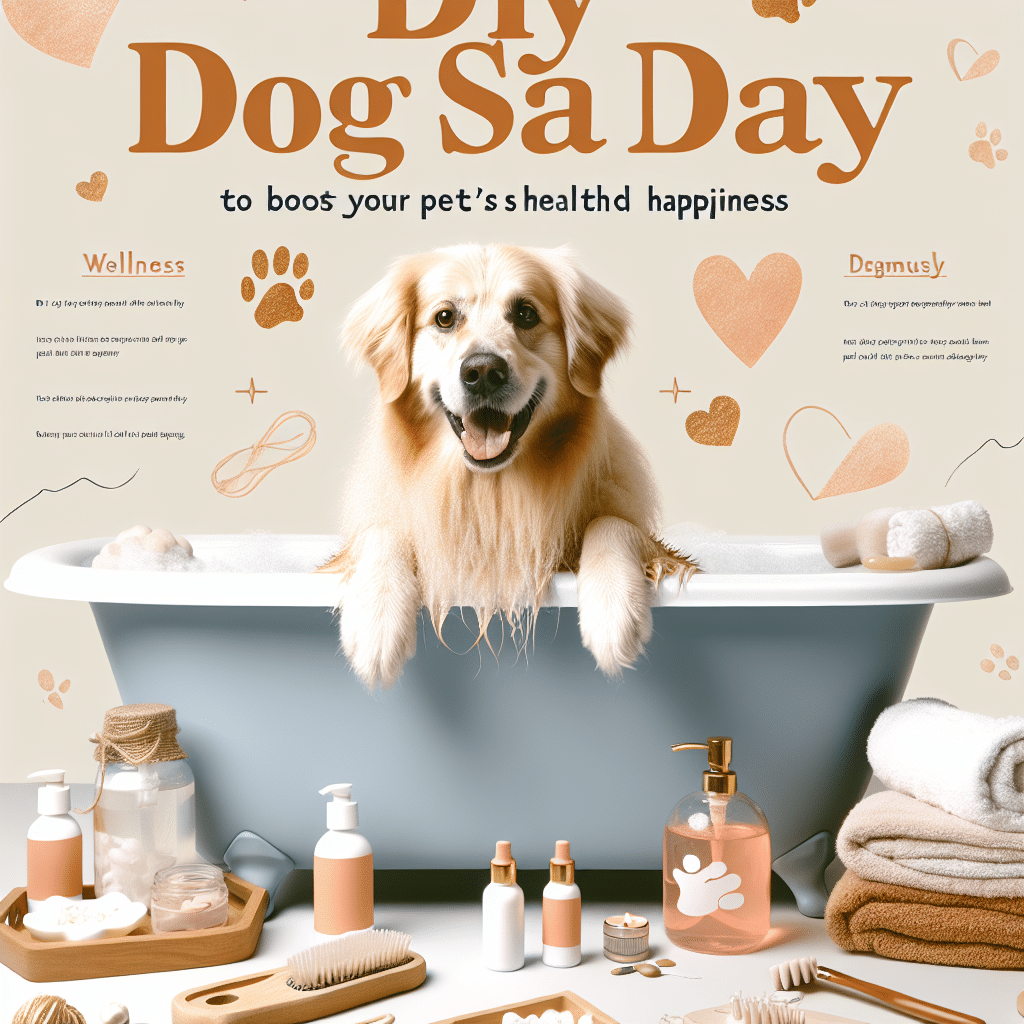
DIY Dog Spa Day Ideas to Boost Your Pet’s Health and Happiness
A dog’s well-being extends beyond just providing them with good food and daily walks. Just like humans, dogs benefit immensely from relaxation, grooming, and pampering sessions that promote their health and happiness. Hosting a DIY dog spa day at home is a wonderful way to show your furry friend some love, strengthen your bond, and ensure they look and feel their best. Whether you’re a seasoned pet owner or new to grooming, creating a spa experience tailored for your dog can be both fun and beneficial. In this article, we’ll explore everything you need to know—from preparing your space and supplies to detailed grooming techniques, calming treatments, and post-spa maintenance tips.
Preparing for a DIY Dog Spa Day: Essential Supplies and Safety Tips
Before diving into your dog’s spa day, it’s crucial to gather all necessary supplies and prioritize safety. A well-prepared setup ensures the process goes smoothly and your pet remains comfortable and secure throughout. Start by collecting gentle, dog-specific grooming products such as a mild shampoo formulated for dogs’ skin, soft towels, a brush suitable for your dog’s coat type, and nail clippers. It’s also helpful to have a non-slip mat in the bathing area to prevent slipping and keep your dog steady. Consider including calming items like a soothing spray, a calming music playlist, or a favorite toy to help reduce anxiety.
Safety should always be your top priority. Before beginning, check your dog for any skin irritations, wounds, or signs of discomfort that may need veterinary attention before a spa treatment. Use lukewarm water for bathing—hot water can dry out their skin and cause burns, while cold water might cause distress. Keep grooming tools sanitized to prevent infections, and be gentle during all procedures, especially when handling sensitive areas like the ears, eyes, and paws. Remember, patience and calm reassurance are key—if your dog shows signs of stress, take a break or stop altogether.
Creating a relaxing environment is also essential. Choose a quiet, comfortable space free from distractions, and avoid rushing through steps. Use positive reinforcement techniques, offering treats and praise to make the experience enjoyable. If your dog is nervous, introduce new products gradually and keep sessions short. By preparing thoroughly and ensuring safety, you set the foundation for a successful and enjoyable dog spa day that benefits your pet’s physical health and emotional well-being.
Step-by-Step Guide to Bathing and Cleaning Your Dog
Bathing is arguably the most fundamental aspect of any dog spa day, helping to remove dirt, loose fur, and allergens while maintaining healthy skin. Begin by brushing your dog thoroughly before the bath to loosen mats and tangles—this also reduces shedding and makes the wash more effective. Place your dog in a secure, non-slip area, and use lukewarm water to wet their coat evenly. Apply a small amount of dog-specific shampoo, working it into a lather from neck to tail, ensuring you clean sensitive areas gently without causing discomfort.
Rinse your dog thoroughly, making sure no shampoo residue remains, as leftover product can cause irritation or dryness. Pay special attention to areas prone to dirt accumulation, such as ears, paws, and under the tail. For dogs with long or thick coats, consider using a gentle detangling conditioner or a specialized coat rinse to promote shine and manageability. After washing, gently squeeze out excess water, then wrap your dog in a soft towel or use a pet-specific blow dryer on low heat to dry their coat—be cautious with heat to prevent burns or skin dryness.
During the bathing process, keep a calm and soothing voice to reassure your dog, making the experience as positive as possible. If your dog is particularly anxious or prone to fear baths, try using a handheld showerhead with a gentle spray or filling a basin to control water flow better. Consistent and gentle bathing not only keeps your dog clean but also helps identify any skin issues early, like parasites, rashes, or lumps. Regular baths tailored to your dog’s breed, coat type, and skin condition can significantly boost their overall health and comfort.
Grooming Techniques for Coat Care and Skin Health
Grooming extends beyond just bathing—it involves maintaining your dog’s coat, skin, and nails to promote overall health and prevent common issues. Brushing your dog regularly helps distribute natural oils, reduce shedding, and prevent mats, especially for long-haired or double-coated breeds. Use a brush suitable for your dog’s coat type: slicker brushes for long hair, rubber curry brushes for short coats, or undercoat rakes for heavy shedders. Be gentle around sensitive areas like the belly and behind the ears, and always brush in the direction of hair growth.
Nail trimming is another vital grooming task that’s often overlooked. Overgrown nails can cause discomfort, hamper walking, and increase the risk of infections. Use high-quality, dog-specific nail clippers or grinders, and trim a small portion at a time, being careful to avoid the quick—a sensitive area that contains blood vessels. If you’re unsure or nervous, consult your veterinarian or a professional groomer for guidance. Regularly checking and cleaning your dog’s ears is also crucial to prevent infections—use a vet-approved ear cleaner, and gently wipe away wax and debris without inserting anything deep into the canal.
Maintaining healthy skin is equally important. Incorporate gentle massages into your grooming routine to stimulate blood flow and help your dog relax. If you notice dry patches, redness, or itching, consider adding a moisturizing spray or supplementing with omega fatty acids after consulting your vet. Proper grooming not only keeps your dog looking great but also detects early signs of skin conditions or parasites that require medical attention. When done consistently, grooming becomes a bonding activity that enhances your dog’s well-being and keeps them comfortable and happy.
Pampering Treatments and Aromatherapy for a Relaxing Spa Experience
Elevate your dog’s spa day by incorporating pampering treatments and aromatherapy to promote relaxation and emotional well-being. Dog-friendly aromatherapy can help reduce anxiety, especially for nervous or high-energy breeds. Use natural essential oils like lavender, chamomile, or chamomile diluted in water or carrier oils designed specifically for pets—never apply undiluted essential oils directly to your dog’s skin or near their face, as some scents can be toxic. You might add a few drops to a diffuser in the room, or create a calming spray mist to lightly spritz on your dog’s coat or bedding.
Treatments like gentle massage or soothing compresses can significantly enhance relaxation. Massaging your dog’s muscles with slow, gentle strokes can alleviate tension, improve circulation, and promote feelings of comfort. For a calming effect, you can incorporate pet-safe massage oils or lotions into the routine. Additional options include oatmeal or coconut oil masks for skin hydration, especially if your dog suffers from dry or itchy skin. Always observe your dog during these treatments; if they show signs of discomfort or allergic reactions, discontinue use and consult your veterinarian.
Adding sensory elements to the spa experience makes it even more enjoyable. Play calming music designed for dogs or nature sounds to create a peaceful atmosphere. Offer a cozy, soft bed or blanket for your dog to relax on after treatments, and reward them with treats and praise for good behavior. These extra touches transform a routine grooming session into a luxurious retreat that boosts your dog’s emotional health, reduces stress, and fosters a sense of trust and love. Remember, the goal is to make your dog feel safe, relaxed, and cherished.
Post-Grooming Care and Maintenance to Keep Your Dog Healthy and Happy
Once the spa treatment is complete, your focus should shift to maintaining your dog’s health, cleanliness, and happiness. Regularly inspect your dog’s skin, coat, ears, and paws for any abnormalities or signs of discomfort. Brushing and grooming should continue on a routine basis—daily for long-haired breeds or as often as needed for short coats—to keep your dog looking and feeling their best. Providing a nutritious diet rich in omega fatty acids and antioxidants further supports healthy skin and coat, reducing shedding and skin issues over time.
Hydration plays a crucial role in your dog’s overall health, especially after grooming sessions that might strip natural oils or cause slight dryness. Ensure your dog has access to fresh, clean water at all times. Keep their bedding clean and comfortable, and consider using calming aids or supplements if your dog is prone to anxiety or stress. Regular veterinary checkups are also essential to address any underlying health concerns early and to get personalized advice tailored to your dog’s breed, age, and health status.
To prolong the benefits of your DIY spa day, establish a consistent grooming schedule and utilize quality grooming products suited for your dog’s needs. Incorporate gentle massages, dental care, and ear cleaning into your routine to maintain overall hygiene. Remember, a well-cared-for dog not only looks good but also feels great physically and emotionally, leading to a happier, healthier life together. Your effort in creating a relaxing, safe spa environment at home can make a lasting positive impact on your pet’s well-being.
Conclusion
A DIY dog spa day is more than just a grooming session—it’s an opportunity to nurture your pet’s physical health and emotional happiness through gentle care, pampering, and bonding. Preparation is key, ensuring you have the right supplies and safety measures in place for a smooth experience. Follow a step-by-step approach to bathing, grooming, and pampering treatments, customizing the routine to suit your dog’s unique needs. Incorporating aromatherapy and relaxing techniques transforms grooming into a calming retreat, strengthening trust and reducing stress.
Maintaining your dog’s health after the spa day involves regular grooming, skin checks, proper nutrition, and consistent routines that promote overall well-being. When approached with patience and love, a DIY dog spa day can become a cherished part of your pet care routine, delivering health benefits and boosting your dog’s happiness. So why not set aside some time this weekend to indulge your furry friend with a personalized spa experience? They’ll thank you with wagging tails and boundless affection!