

How to Prevent Yeast Infections After Your Dog’s Bath: Expert Tips
Giving your dog a bath is more than just a routine; it’s a vital part of maintaining their overall health and happiness. However, if not done correctly, bath time can inadvertently lead to problems like yeast infections, which are common but often misunderstood. Yeast infections in dogs can cause discomfort, itching, and skin irritation, making it crucial for pet owners to know how to prevent them effectively. In this article, we’ll explore how to safeguard your furry friend from yeast infections after bathing through expert-approved tips and strategies. From understanding what causes these infections to the best post-bath care practices, you’ll learn everything needed to keep your dog healthy and happy.
Understanding Yeast Infections in Dogs and Their Causes
Yeast infections in dogs are caused primarily by an overgrowth of a fungus called Malassezia, which naturally resides on a dog’s skin and ears. Under normal circumstances, this yeast exists in balance with bacteria and other microbes, contributing to a healthy skin environment. However, when this balance is disrupted—due to factors like allergies, immune system issues, or excessive moisture—yeast can proliferate rapidly, leading to an infection. Recognizing the underlying causes is key to preventing yeast infections rather than just treating them.
One of the most common triggers is moisture retention on the skin or coat after a bath. Dogs with thick, long hair or skin folds (such as bulldogs or Pugs) are particularly susceptible because water can get trapped and create a warm, moist environment ideal for yeast growth. Additionally, allergies—whether food-related or environmental—can compromise skin health, making it easier for yeast to overgrow. Other contributing factors include hormonal imbalances, antibiotics use, and underlying health problems like obesity, which can cause skin folds and moisture buildup.
Understanding the causes of yeast infections helps you identify risk factors specific to your dog and implement preventive measures. Regular grooming, proper drying, and attention to your dog’s overall health are crucial components in managing these risks. Preventing yeast overgrowth is all about addressing the root causes—keeping skin dry, clean, and healthy—especially after bath time, when your dog is most vulnerable.
Preparing Your Dog for a Safe and Effective Bath
Proper preparation before bathing your dog sets the stage for healthier skin and reduces the risk of yeast infections. First, gather all necessary supplies—dog-specific shampoo, towels, brushes, and any medicated or antifungal products your veterinarian recommends. Ensuring your tools are clean and appropriate for your dog’s coat type prevents unnecessary irritation and helps maintain skin integrity. Before the bath, brush your dog thoroughly to remove loose hair, dirt, and debris, which can trap moisture and promote yeast growth. This step also makes the bathing process more effective by allowing shampoo to reach the skin more efficiently.
Choosing the right bathing products is essential. Use a gentle, pH-balanced dog shampoo formulated to support skin health; avoid harsh chemicals or human shampoos that can strip natural oils and disrupt the skin’s microbial balance. If your dog is prone to yeast infections, your vet may recommend medicated or antifungal shampoos containing ingredients like chlorhexidine or ketoconazole. Always follow the instructions precisely—over-bathing or using the wrong products can exacerbate skin issues and encourage yeast overgrowth. Ensuring the water temperature is lukewarm—not hot or cold—also prevents skin irritation.
Finally, consider your dog’s individual needs when preparing for bath time. For dogs with skin sensitivities or allergies, a pre-bath skin test with a small amount of shampoo can help identify any adverse reactions. Additionally, keeping your dog calm and comfortable during the process reduces stress, which is beneficial because stress can weaken the immune system and make infections more likely. Proper preparation helps create a positive, effective bathing experience that minimizes risks and sets the foundation for healthy skin.
Proper Bathing Techniques to Minimize Yeast Growth
Executing the right bathing techniques is critical to preventing yeast infections after your dog’s bath. Start by soaking your dog thoroughly with lukewarm water, ensuring that you reach all skin folds, around the ears, under the tail, and in areas where moisture tends to accumulate. Applying shampoo gently and evenly helps remove excess oils, dirt, and debris—sources of nourishment for yeast. Be meticulous around skin folds, as these areas are hotspots for yeast overgrowth; using a soft cloth or brush can help clean these hard-to-reach places effectively.
When applying shampoo, focus on lathering the skin rather than just the coat. Leave the shampoo on for the recommended time to allow active ingredients to work and kill yeast cells. Rinse thoroughly to remove all shampoo residue—leftover product can cause irritation or trap moisture, fostering a perfect environment for yeast. For dogs prone to yeast issues, an antifungal or medicated shampoo might be recommended; always follow your vet’s guidance on how often to use these products to avoid disrupting the skin’s natural balance.
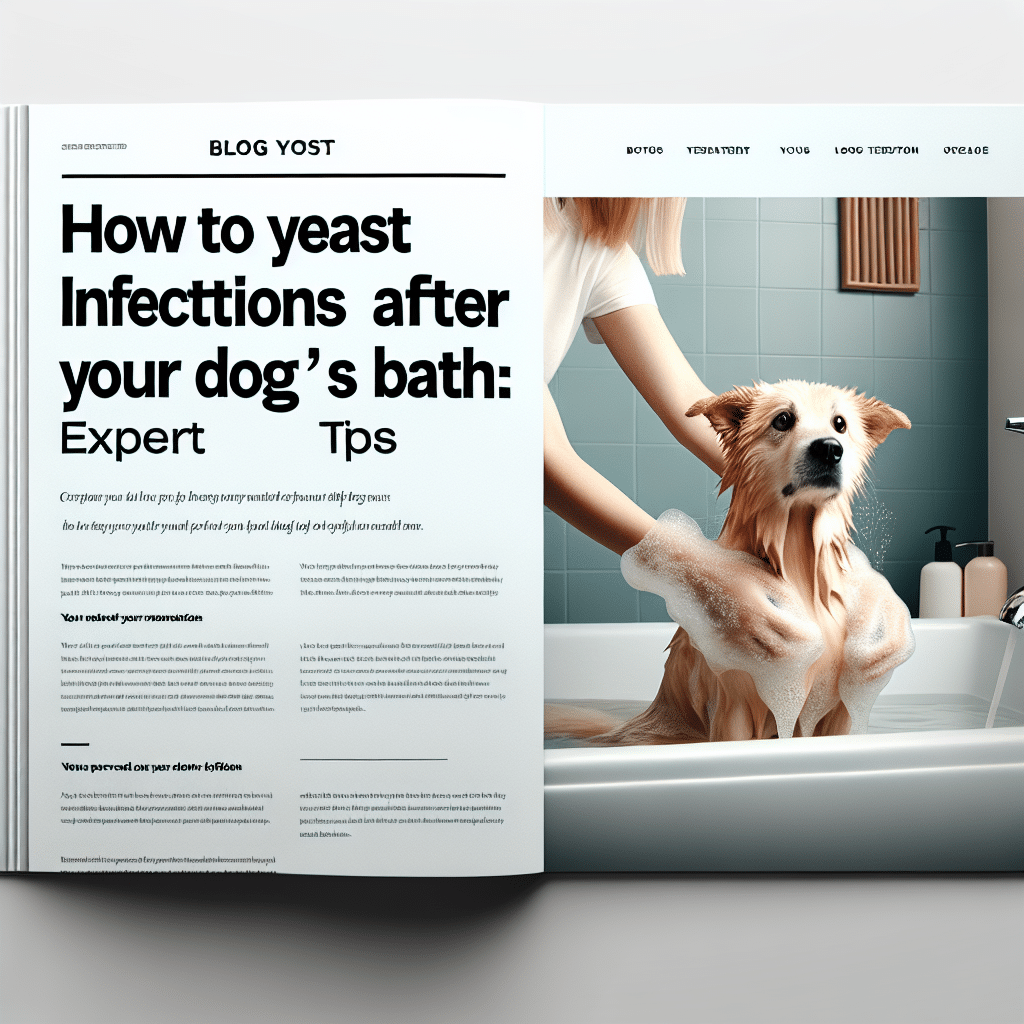
Post-bath, the key to avoiding yeast infections lies in proper drying. Moisture is the primary culprit in yeast overgrowth, so take extra care to dry your dog thoroughly. Use a clean, absorbent towel to remove excess water, then consider using a pet dryer on a low, cool setting or a hairdryer specifically designed for pets. Pay special attention to drying skin folds, ears, and underarms—areas where moisture tends to persist. Proper bathing techniques, combined with thorough drying, can significantly reduce the risk of yeast infections by eliminating the damp environment that fungi thrive in.
Post-Bath Care and Drying Tips to Prevent Yeast Infections
The period immediately after your dog’s bath is critical in preventing yeast infections. First and foremost, drying your dog thoroughly is essential. Damp fur or skin folds trap moisture, providing an ideal breeding ground for yeast. Use a high-quality absorbent towel to pat your dog dry, ensuring no damp patches are left behind. For long-haired or thick-coated breeds, a blow dryer on a cool or low heat setting can expedite the process, but always keep the dryer moving to avoid overheating the skin or causing discomfort.
In addition to drying, applying a topical antifungal or skin barrier product recommended by your veterinarian can provide extra protection against yeast overgrowth. These products can help maintain the skin’s pH balance and create a hostile environment for fungi. Regularly inspecting your dog’s skin, especially in areas prone to moisture retention like skin folds, ears, or groin, allows early detection of any signs of yeast overgrowth. If you notice redness, odor, or greasy skin, consult your vet promptly to address potential issues before they escalate.
Maintaining a regular grooming routine also plays a vital role in post-bath care. Regular brushing removes loose hair and debris, helping your dog dry more evenly and preventing matting, which can trap moisture. Additionally, keeping your dog’s environment clean and dry, including bedding and play areas, reduces the chance of yeast spores spreading or taking hold. Adopting these post-bath practices can go a long way in preventing painful and persistent yeast infections, ensuring your dog stays comfortable and healthy.
Recognizing Symptoms and When to Seek Veterinary Assistance
While prevention is the goal, it’s equally important to recognize the signs that your dog may have developed a yeast infection. Symptoms include persistent itching, redness, greasy or flaky skin, a foul odor, and recurring ear infections. Some dogs may also develop brown or yellowish wax in their ears, along with swelling, discomfort, or head shaking. If your dog is licking or biting at certain areas, especially skin folds or paws, it could be an indication of a yeast overgrowth needing prompt attention.
Early detection and treatment are crucial to prevent yeast infections from worsening or spreading. Regularly inspecting your dog’s skin, ears, and paws after baths helps catch any signs of infection early. If you notice symptoms such as increased scratching, hair loss, or a foul odor that doesn’t improve with basic cleaning, consult your veterinarian. They can perform skin scrapings or cultures to confirm the presence of yeast and prescribe appropriate medications, including antifungal shampoos, topical treatments, or oral medications if needed.
Never ignore persistent or worsening symptoms, as untreated yeast infections can cause significant discomfort and secondary bacterial infections. Your vet can also recommend tailored preventive strategies, such as dietary adjustments, supplements, or specialized grooming routines, to reduce the likelihood of future infections. Being proactive and attentive ensures your dog remains comfortable, healthy, and free from the pain of recurrent yeast issues.
Conclusion
Preventing yeast infections after your dog’s bath is all about mindful preparation, proper bathing techniques, thorough drying, and vigilant post-bath care. Understanding the causes—such as moisture retention, skin folds, and allergies—helps you take proactive steps to minimize risk. Choosing gentle, medicated shampoos suited to your dog’s skin type, and executing careful bathing techniques, can significantly reduce the chances of yeast overgrowth. The post-bath period is equally important; drying thoroughly and applying protective products serve as essential barriers against infection.
Recognizing early signs of yeast infections enables prompt veterinary intervention, preventing discomfort and more serious health issues down the line. Regular grooming, environmental cleanliness, and ongoing skin inspections form the foundation of effective prevention strategies. By integrating these expert tips into your routine, you’re not only helping your dog stay free of painful infections but also enhancing their overall well-being. Remember, a clean, dry, and healthy coat is the best defense against yeast infections—so keep up the good work, and your furry friend will thank you with wagging tails and happy paws!