


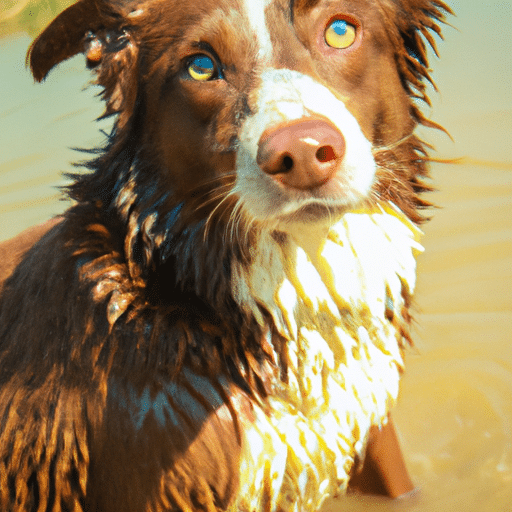
Effective Bathing Tips for Dogs Who Love to Roll in Dirt
If you’re a dog owner, chances are you’ve faced the challenge of a muddy, dirt-streaked pup after a fun afternoon outdoors. Some dogs have an innate love for rolling in dirt, mud, or even manure—an instinct that’s rooted in their natural behaviors. While it’s adorable to see your furry friend happily frolicking outside, it can also turn into a grooming nightmare once they come home covered in grime. This article will guide you through understanding why dogs love to roll in dirt, how their behavior impacts bathing needs, and practical tips to keep your muddy mutt clean, fresh, and healthy.
Whether you’re a seasoned pet parent or new to dog ownership, mastering the art of bathing a dirt-loving dog is essential for maintaining their health and ensuring your home stays clean. We will explore everything from preparing for those all-too-frequent muddy baths to preventative strategies that minimize messes. By the end of this read, you’ll feel more confident in managing your dirt-loving dog’s grooming routine and keeping them comfortable, happy, and fresh—no matter how much they love a good roll in the mud.
Understanding Why Dogs Love to Roll in Dirt and How It Affects Bathing Needs
Dogs have been rolling in dirt and mud for thousands of years, and this instinctive behavior serves several evolutionary and social purposes. In the wild, rolling in dirt or mud helps mask their scent from predators or prey, and it can also be a way of marking territory through their scent glands. Additionally, rolling in earth can help dogs cool down in hot weather or simply satisfy their natural urge to explore and indulge in sensory activities. Puppies and young dogs especially find dirt irresistible because of the novel textures, smells, and the fun of digging and rolling.
However, this natural inclination impacts a dog’s grooming needs significantly. Regularly rolling in dirt can introduce a variety of bacteria, parasites, and fungi to your dog’s coat and skin, which might lead to infections or skin irritations if not managed properly. Dirt can also embed itself deep into their fur, making standard baths less effective and requiring more thorough cleansing. Moreover, some dogs with allergies or sensitive skin may experience flare-ups or discomfort after a dirt-filled adventure, emphasizing the need for attentive grooming routines.
It’s essential for dog owners to recognize that despite the mess, rolling is a normal and healthy behavior when managed properly. Understanding your dog’s motives can help you approach bathing with patience and practicality. For instance, some breeds or individual dogs are more prone to dirt-rolling because of their coat types or personality traits. Knowing this allows you to tailor your grooming approach—whether that involves more frequent baths, specific grooming products, or behavioral management—to suit your dog’s needs and keep them comfortable and clean.
Preparing for a Dirt-Heavy Bath: Supplies and Safety Tips
Preparing for a muddy, dirt-heavy bath involves gathering the right supplies and setting up a safe environment to make the process smooth and stress-free—for both you and your dog. First and foremost, have a good quality dog-specific shampoo on hand. Opt for gentle, tear-free formulas that suit your dog’s skin type, especially if they have sensitive skin or allergies. A detangling conditioner might also be helpful if your dog has long or thick fur prone to matting after a dirt-filled romp.
In addition to shampoo, consider using grooming tools like a slicker brush, metal comb, and microfiber towels to help remove loose dirt and debris before the bath. A handheld showerhead or a detachable spray nozzle is invaluable for rinsing thoroughly without causing discomfort. For extra convenience, lay down non-slip mats inside the bathing area to prevent slips and keep your dog steady. If your dog is particularly anxious or resistant, having treats, toys, and praise ready can turn the bath into a more positive experience.
Safety should always be your top priority during a muddy bath. Ensure the bathing area is secure and free from hazards—nothing worse than a scared dog slipping or trying to escape. Use lukewarm water; hot water can irritate your dog’s skin, while cold water might make them uncomfortable. Be cautious around the face, eyes, and ears—avoid getting water and shampoo directly into these sensitive areas. Finally, consider trimming your dog’s nails beforehand if they’re long, to prevent accidental scratches and make handling easier during the bath. Preparing thoroughly can reduce stress and make bath time less of a chore for everyone involved.
Step-by-Step Guide to Bathing Dogs Who Frequently Roll in Dirt
Bathing a dog who loves to roll in dirt regularly can be a daunting task, but following a structured approach can make it more manageable and effective. Start by gently removing loose soil and debris with a brush or comb. This step minimizes the amount of dirt that gets washed down the drain and helps prevent mats from forming. Be patient and go slow—rushing can cause stress and make your dog resistant to future baths.
Next, wet your dog thoroughly using lukewarm water, starting from the neck down and avoiding the face. Apply a generous amount of dog shampoo, working it into a lather from the neck to the tail, ensuring you reach the underbelly, paws, and tail, where dirt tends to accumulate. For heavily soiled areas, you might need to repeat this step, especially around the paws and behind the ears. Use your hands or a gentle cloth to massage the shampoo into your dog’s coat, paying attention to the skin to help remove embedded dirt and bacteria. Rinse thoroughly, making sure no residue remains, as leftover shampoo can cause irritation.
After rinsing, consider applying a conditioner or deodorizing spray designed for dogs to keep the coat soft and smelling fresh. Towel-dry your dog as much as possible, then use a blow dryer on a low, cool setting if your dog tolerates it—this speeds up drying and reduces the risk of skin infections caused by damp fur. Finish with a gentle brush or comb to smooth the coat and remove any remaining loose hair. Remember, patience and positive reinforcement are key—praise your dog throughout the process and offer treats to make bath time a positive experience. Regular baths, combined with proper brushing, can help manage the excess dirt and reduce the frequency of full baths needed.
Tips for Keeping Your Dog Clean and Fresh Between Baths
While regular bathing is essential, maintaining your dog’s cleanliness between baths can significantly reduce dirt buildup and make grooming sessions less time-consuming. One of the simplest tips is to brush your dog frequently—ideally daily for long-haired breeds or at least several times a week for short-haired dogs. Brushing not only removes loose hair and dirt but also stimulates the skin, distributes natural oils, and helps prevent matting. Using a deshedding tool or slicker brush tailored to your dog’s coat type can further enhance this process.
Another effective strategy is to wipe down your dog with pet-safe grooming wipes after outdoor adventures, especially if they’ve been rolling in the dirt. These wipes help lift away surface dirt and odor without the need for a full bath. Keeping a stash of these wipes handy ensures you can quickly freshen up your dog after each outdoor romp, reducing the frequency of full baths. Additionally, consider using a waterless shampoo or deodorizing spray as a quick refresher, especially during colder months when full baths might be less desirable.
Finally, paying attention to your dog’s paws, ears, and coat can prevent dirt from spreading throughout your home. Regularly cleaning paws with a damp cloth or paw wipes helps remove mud and debris. Checking and cleaning ears with vet-approved solutions prevents infections that can arise from dirt trapped inside. Ensuring your dog stays clean and fresh between baths not only keeps them comfortable and happy but also minimizes the mess and stress associated with frequent full baths. These small, consistent care practices can significantly improve your grooming routine and your dog’s overall well-being.
Preventive Measures to Minimize Dirt and Ensure Easy Cleanup
Prevention is always better than cure, especially when it comes to managing a dirt-loving dog’s grooming needs. One effective preventive step is to create a designated outdoor area—such as a gravel or concrete patio—where your dog can play and roll without bringing excessive mud into the house. Installing a small, enclosed yard or using a dog run with a washable surface can help contain the mess and make cleanup easier. Training your dog to stay in these specific areas, especially after a muddy walk, reduces the amount of dirt tracked indoors.
Using protective gear can also help minimize dirt transfer. Dog boots or paw covers are particularly useful for muddy or wet conditions—they protect your dog’s paws from dirt, mud, and chemicals, and make post-play cleanup much quicker. Similarly, applying a waterproof or dirt-resistant coat or vest can help keep your dog’s fur cleaner during outdoor adventures. Regularly trimming long hair around the paws, legs, and underbelly can prevent mud from caking into thick fur, making grooming sessions less labor-intensive.
Lastly, establishing a routine of rinsing or wiping down your dog immediately after outdoor activities can significantly reduce dirt accumulation. Keep a hose, portable sprayer, or pet-safe wipes nearby so you can quickly clean your dog’s paws, belly, and chest before they enter the house. Consistent preventative measures not only keep your dog cleaner but also extend the time between baths, helping preserve their coat’s health and shine. Small habits like these can make managing a dirt-loving dog’s grooming routine less overwhelming and more sustainable in the long run.
Conclusion
Caring for a dog that loves to roll in dirt doesn’t have to be a never-ending battle. By understanding why dogs indulge in this behavior, preparing the right supplies, and adopting a step-by-step bathing routine, you can keep your furry friend clean and comfortable. Regular brushing and between-bath cleanups help reduce the frequency and intensity of muddy episodes, making grooming sessions smoother. Preventive measures such as designated play areas, paw protection, and quick outdoor cleanups are invaluable for minimizing dirt tracking and simplifying the cleanup process.
Remember, patience and positive reinforcement are key elements in grooming your dirt-loving dog. Making bath time a calm, rewarding experience encourages cooperation and reduces stress. By implementing these effective tips and routines, you’ll be better equipped to handle even the muddiest adventures, ensuring your dog remains healthy, happy, and fresh—no matter how much they love to roll in the dirt. So gear up, stay consistent, and enjoy your outdoor adventures together, knowing you’ve got the tools to keep your four-legged friend looking and feeling their best.