
How Keeping Your Dog Clean Can Help Extend Their Lifespan
Bringing a dog into your life is a joyous experience filled with love, companionship, and countless memorable moments. However, as responsible pet owners, we often overlook the importance of daily grooming and maintaining cleanliness—not just for appearance but as a vital component of our furry friend’s health and longevity. Keeping your dog clean isn’t merely about aesthetics; it directly impacts their well-being, reduces health risks, and can significantly extend their lifespan. In this article, we’ll explore how regular grooming, a clean environment, proper nutrition, preventive care, and healthy lifestyle habits all work together to promote a longer, healthier life for your beloved pet.
The Impact of Regular Grooming and Cleanliness on Canine Health
Maintaining a consistent grooming routine is foundational to your dog’s overall health. Regular bathing, brushing, and ear cleaning help remove dirt, debris, and excess oils that can lead to skin infections and other health issues. For example, dogs prone to skin conditions such as dermatitis benefit greatly from regular baths using vet-approved shampoos, which help keep their skin clean, balanced, and free from harmful bacteria. Additionally, brushing your dog’s coat not only reduces shedding but also stimulates blood circulation and distributes natural oils, resulting in a healthier, shinier coat.
Beyond the coat, dental hygiene is a crucial but often overlooked aspect of grooming. Regular teeth brushing can prevent plaque buildup, tartar formation, and periodontal disease—conditions linked to more serious health issues like heart disease and kidney problems. Ear cleaning is equally important, as dirty ears can harbor bacteria, yeast, or mites, leading to painful infections. neglected grooming routines can allow parasites such as fleas and ticks to flourish, which carry diseases that can shorten your dog’s lifespan considerably.
Moreover, routine grooming allows for early detection of health problems. During grooming sessions, pet owners and groomers can spot abnormalities like lumps, skin irritations, or abnormal swelling, which might require veterinary attention. Catching issues early leads to more effective treatment and can prevent minor problems from developing into serious health crises. Overall, a clean and well-groomed dog is a healthier dog, with fewer health complications that could compromise their longevity.
How Maintaining a Clean Environment Contributes to a Dog’s Longevity
A clean living environment is essential for preventing many common health issues that can impact a dog’s lifespan. Regularly cleaning your home—vacuuming carpets, washing bedding, and disinfecting common surfaces—reduces the presence of dust, mold, and allergens that can cause respiratory problems or aggravate existing conditions. Dogs, especially those with allergies or respiratory sensitivity, thrive in environments that are free from irritants, which can otherwise lead to chronic health issues over time.
Furthermore, controlling pests such as fleas, ticks, and mites within your home is vital. These parasites are not only a source of discomfort but also vectors for diseases like Lyme disease, ehrlichiosis, and tapeworm infections—conditions that can severely affect your pet’s health and reduce their lifespan. Regularly treating your home for pests and maintaining outdoor areas by trimming grass and removing debris reduces the chance of infestations, giving your furry friend a safer, healthier environment.
Maintaining hygiene also extends to outdoor spaces where your dog plays. Keeping yards clean from waste, trash, and potentially harmful plants minimizes exposure to bacteria and toxins. Proper sanitation prevents the spread of infectious diseases such as parvovirus, leptospirosis, or kennel cough, which can be life-threatening, especially for puppies or immunocompromised dogs. A clean environment supports your dog’s immune system, reducing the risk of infections and promoting long-term health.
Nutritional and Hygiene Practices That Promote a Healthy, Clean Dog
A well-balanced diet is fundamental to your dog’s overall health and hygiene. Proper nutrition strengthens their immune system, promotes healthy skin and coat, and supports vital organ functions—all of which contribute to a longer lifespan. Feeding your dog high-quality, age-appropriate food rich in essential nutrients such as omega-3 fatty acids, antioxidants, and vitamins can improve their coat’s shine, reduce skin irritations, and bolster their resistance against infections.
In addition to good nutrition, hygiene practices like regular bathing and paw cleaning are critical for maintaining a healthy dog. Bathing frequency depends on your dog’s breed, coat type, and lifestyle; generally, once a month or as needed is sufficient. Using gentle, vet-approved shampoos prevents skin dryness and irritation while removing allergens and dirt. Washing their paws after walks also helps eliminate traces of mud, pesticides, or other environmental pollutants that can be ingested during self-grooming, reducing the risk of gastrointestinal or skin infections.
Another vital hygiene aspect involves oral care. Daily brushing teeth with dog-friendly toothpaste reduces plaque accumulation, preventing dental diseases that can lead to more severe health problems like heart disease or kidney failure. Providing dental chews or toys designed for oral health can complement regular brushing efforts. Combining good hygiene with proper nutrition creates a protective barrier against infections and chronic diseases, significantly contributing to your dog’s longevity.
The Role of Preventive Care and Routine Cleaning in Extending Lifespan
Preventive veterinary care is a cornerstone of extending your dog’s lifespan. Routine health checkups allow veterinarians to monitor your pet’s condition, administer necessary vaccinations, and identify potential health issues early. Regular blood work, parasite screenings, and dental exams help keep your dog healthy and prevent the development of chronic illnesses. Preventive measures such as vaccination against common canine diseases (rabies, distemper, parvovirus) are crucial in safeguarding your dog’s health and ensuring a longer, disease-free life.
Routine cleaning also encompasses flea and tick prevention measures, which are essential to avoid infestations and disease transmission. Topical treatments, oral medications, or collars can be used to provide ongoing protection. Additionally, regular nail trimming reduces discomfort and prevents injuries that might lead to infections. Keeping the ears clean and dry minimizes the risk of infections that could cause pain and impact your dog’s overall quality of life. Preventive care is a proactive approach that minimizes health emergencies and reduces veterinary costs over time.
Incorporating routine cleaning and preventive care into your pet’s lifestyle helps build a strong foundation for a long, healthy life. It creates opportunities for early diagnosis and intervention, which are often associated with better treatment outcomes. Ultimately, staying vigilant with health and hygiene routines prolongs your dog’s ability to enjoy life’s milestones and maintain vitality well into their senior years.
Lifestyle Factors and Habits Supporting a Clean, Long-Lived Dog
Your dog’s daily habits and lifestyle choices can significantly influence their health and lifespan. Regular exercise not only keeps your dog physically fit but also promotes good hygiene by encouraging healthy digestion, preventing obesity, and reducing stress—all of which support overall health and longevity. Outdoor playtime should be coupled with routine cleaning of your dog’s coat and paws, especially after walks, to minimize exposure to environmental contaminants.
Providing mental stimulation and social interaction also contribute to your dog’s well-being. A stimulated mind and a happy social life can reduce anxiety-related behaviors, which sometimes lead to over-grooming or skin issues. Balanced routines that include grooming, exercise, nutrition, and rest foster a holistic approach to health, making it easier to identify and address problems early. Monitoring your dog’s behaviors and health status regularly encourages a proactive attitude toward their care.
Lastly, fostering good habits in your dog—such as not chewing on dirty objects, avoiding exposure to toxins like household chemicals, and ensuring they are kept in a clean environment—can prevent accidental ingestion of harmful substances. Training your dog to tolerate grooming and hygiene routines reduces stress and promotes cooperation, making hygiene practices less of a chore and more of a bonding experience. These habits, when ingrained early, create a foundation of health that supports a longer, happier life for your furry friend.
Conclusion
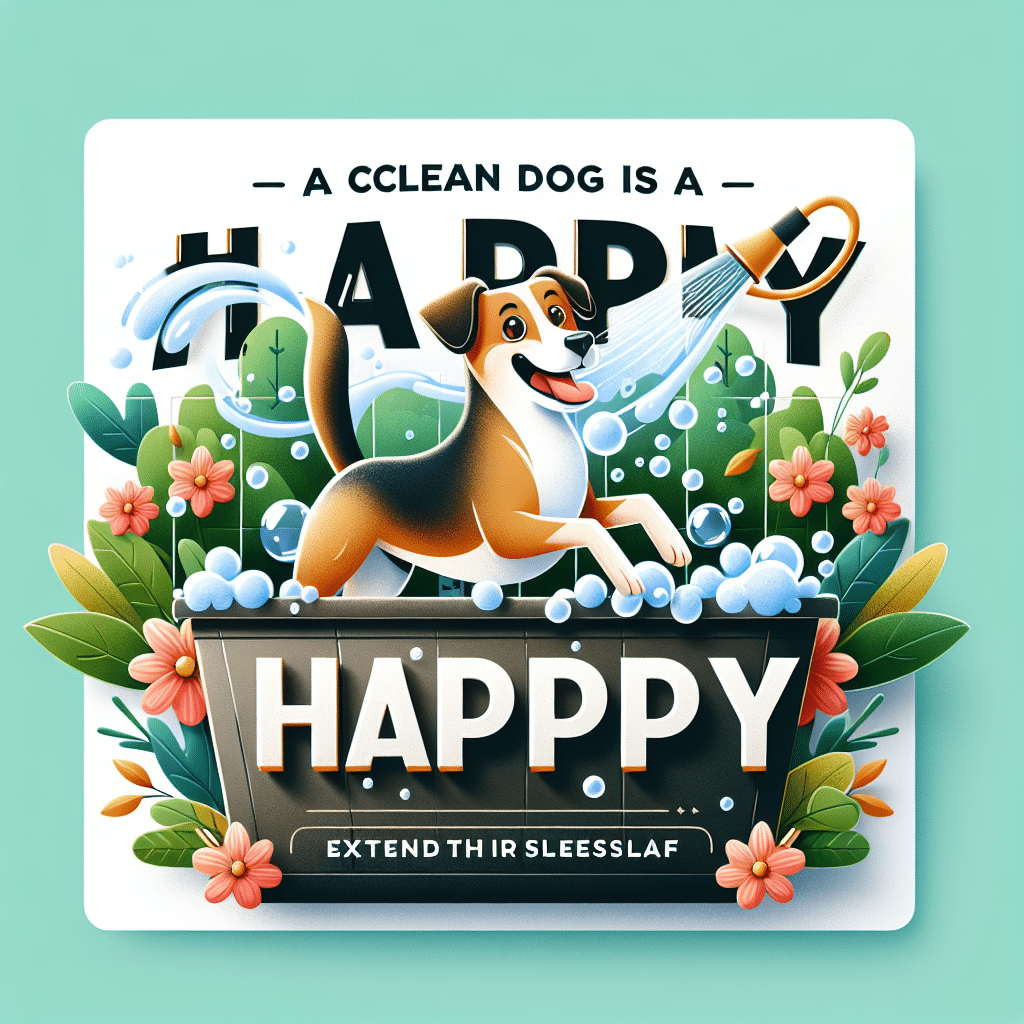
Keeping your dog clean isn’t just about making them look adorable—it’s a vital part of pet ownership that directly impacts their health and longevity. Regular grooming, maintaining a clean environment, proper nutrition, preventive veterinary care, and healthy lifestyle habits all work together to extend your dog’s lifespan and enhance their quality of life. By investing in these practices, you’re not only ensuring a happier, healthier dog but also creating a partnership built on trust and care that can last for many years. Remember, a clean dog is a happy dog—and a happy dog is a long-lived one. Take action today to incorporate these habits into your daily routine and watch your beloved companion thrive for years to come.