


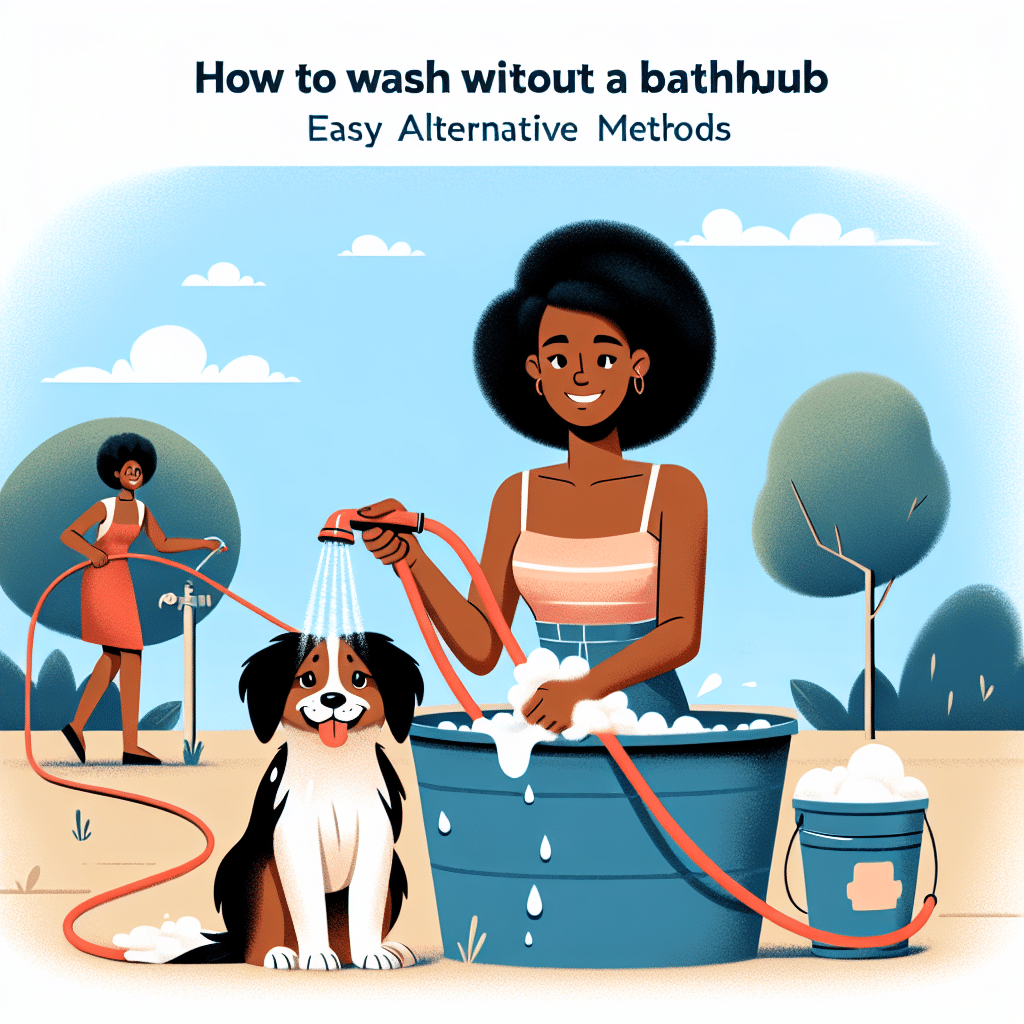
How to Wash Dogs Without a Bathtub: Easy Alternative Methods
Giving your dog a bath is an essential part of pet care that helps keep them clean, healthy, and happy. However, not all homes are equipped with a bathtub big enough for a dog, or sometimes, the bathroom setup just isn’t convenient for washing your furry friend. Whether you have a small apartment, limited mobility, or simply prefer a more flexible approach, there are plenty of effective ways to bathe your dog without a traditional bathtub. This guide will walk you through practical, safe, and stress-free alternative methods for dog bathing, from preparing your washing area to post-bath care. With the right supplies and techniques, you can make bath time enjoyable for both you and your pup, no matter your living situation.
Preparing the Washing Area and Necessary Supplies for Dog Bathing
Before you start washing your dog without a bathtub, preparation is key. Creating a designated, safe, and comfortable space will make the process much easier and more pleasant for both of you. First, choose an area that’s easy to clean and won’t be damaged by water, such as a laundry room, utility sink, walk-in shower, or even outdoors on a warm day. Clear the space of any clutter, and consider laying down a non-slip mat or towel to prevent your dog from slipping during the bath. Having the right setup will help your dog feel more secure and reduce the risk of accidents.
Equally important is gathering all necessary supplies before you start. Basic items include dog-friendly shampoo, a cup or spray nozzle for rinsing, towels for drying, and a brush or comb for pre- and post-bath grooming. You might also want a waterproof apron or clothes you don’t mind getting wet, as well as treats to keep your dog motivated and calm. For outdoor baths or areas with less control over water spillage, consider using a portable basin, a large plastic container, or a sink attachment that can be filled with water. Investing in a handheld showerhead or spray nozzle can make rinsing much easier, especially in a kitchen or utility sink.
Safety should always come first. Use lukewarm water—never hot or cold—to prevent discomfort or injury. Keep a bowl or container handy for pouring water gently over your dog’s coat. Additionally, protect your dog’s ears from water ingress by gently wrapping them or using cotton balls (but remove them promptly after bathing). Having a steady hand and calm demeanor will help your dog stay relaxed, so ensure your workspace is free from hazards like sharp objects or loose wires. Preparation sets the foundation for a safe, efficient, and enjoyable bathing experience for your pet.
Choosing the Right Alternative Locations for Washing Your Dog
When a traditional bathtub isn’t an option, selecting the right location for washing your dog becomes crucial. Many pet owners find that the kitchen sink is an excellent alternative, especially for small to medium-sized dogs. Kitchen sinks are usually at a comfortable height, reducing strain on your back, and often have a faucet or spray attachment that makes rinsing easier. Additionally, they are usually easy to clean afterward. For larger dogs, a walk-in shower can be a practical choice, providing ample space and water control, especially if you install a handheld showerhead. Outdoors is also a viable option, particularly in warm weather, offering plenty of space and easy cleanup.
If you choose outdoor washing, ensure the area is protected from wind, rain, or dirt that could interfere with the bath. A wash station can be set up with a portable basin or a kiddie pool—these are inexpensive, easy to set up, and can be filled with lukewarm water. Outdoor baths are especially good for muddy or heavily dirty dogs, as they allow for thorough cleaning without worrying about mess inside your house. For indoor options, consider utility sinks, laundry tubs, or even large storage bins that can be filled with water. Keep in mind that the location should be easy to access, well-ventilated, and have nearby water supply and drainage capabilities.
No matter which location you pick, ensure it’s safe and comfortable for your dog. Avoid slippery floors by placing mats or towels underneath, and make sure the area is free of hazards. Think about your dog’s size, age, and health—larger or older dogs may need more space or support during baths. Also, consider your own convenience: the easier it is to reach water, control temperature, and manage the mess, the more relaxed and successful the bathing process will be for everyone involved.
Step-by-Step Guide to Washing Your Dog Without a Bathtub
Bathing your dog without a traditional bathtub can be straightforward if you follow a clear, step-by-step process. Start by brushing your dog thoroughly to remove loose fur and detangle any matted hair—this reduces the amount of dirt and debris that will be rinsed away later. Place your dog in the chosen washing area, making them feel secure with gentle praise. Use a non-slip mat or towel underneath to prevent slipping, and have all your supplies within arm’s reach.
Begin by wetting your dog’s coat gradually using lukewarm water, starting from the neck and working your way down to avoid startling them with rushing water. Use a cup, pitcher, or spray nozzle to pour water gently, ensuring you don’t get water in their eyes or ears. Apply a dog-specific shampoo, lathering it evenly across the coat, paying attention to problem areas like paws, underarms, and around the face. Be cautious around the face—use a damp cloth to clean the head and ears instead of direct water contact. Rinse thoroughly with clean, lukewarm water, making sure all soap residues are washed away, as leftover product can cause skin irritation.
After rinsing, gently squeeze excess water from your dog’s coat—avoid pulling or rubbing harshly, which can cause discomfort. Use multiple towels to pat dry, and if you have a blow dryer designed for dogs or a low-heat setting, you can dry them further, keeping the hairdryer at a safe distance to prevent burns. Throughout the process, speak softly and offer treats to keep your dog calm and cooperative. Consistency and patience are key; keeping the bathing experience calm and positive will help your dog associate bath time with comfort rather than stress.
Tips for Ensuring a Safe and Comfortable Bathing Experience for Your Dog
Making bath time safe and comfortable requires attention to your dog’s temperament, health, and specific needs. Before starting, evaluate if your dog has any skin conditions or health issues that require special bathing instructions or medicated shampoos. Always use dog-specific grooming products—human shampoos can disrupt their skin’s pH balance and cause irritation. Throughout the bath, monitor your dog’s reactions closely. If your pet shows signs of distress or discomfort, take a break or stop altogether. Keeping the environment calm, quiet, and positive encourages cooperation and reduces anxiety.
Handling your dog gently and confidently is integral to a pleasant bath experience. Use reassuring words and gentle movements, and avoid sudden jostles or rough handling. If your dog is particularly anxious or aggressive about baths, consider introducing bath time gradually—start with short, positive sessions where they get treats or praise. During the bath, protect their ears from water to prevent infections, and be cautious with the eyes—use a damp cloth to clean the face instead of pouring water directly. Make sure your water temperature is comfortably warm but not hot, as this prevents burns or discomfort. Always test the water before applying it to your dog to ensure it’s suitable.
Finally, pay attention to your dog’s body language and cues. Some breeds or individual dogs may be more sensitive or easily stressed. If your dog starts trembling, growling, or trying to escape, give them a break and try again later. Consider using calming products like dog pheromone sprays or calming treats if your dog experiences severe anxiety. The goal is to make bath time a safe, stress-free experience that keeps your dog healthy and happy while maintaining good hygiene.
Post-Bath Care and Drying Techniques to Keep Your Dog Clean and Healthy
After washing your dog, proper drying and post-bath care are crucial for their comfort and health. Start by gently squeezing out excess water from their coat with your hands, then pat them dry with absorbent towels. Avoid vigorous rubbing, as it can cause skin irritation or matting, especially in long-haired breeds. For a thorough dry, you can use a blow dryer set to a low, cool setting, keeping it at a safe distance to prevent burns. Many dogs appreciate the warm air, which can help dry their coat faster and reduce the risk of skin issues caused by dampness.
Once dry, brush your dog’s coat thoroughly to remove any remaining loose fur, detangle mats, and promote healthy circulation. Regular grooming after baths helps keep the fur smooth, reduces shedding, and prevents skin problems like hot spots. Check your dog’s ears, eyes, and paws for any signs of irritation, dirt, or debris, and clean as needed. If your dog has sensitive skin or specific health conditions, consult your veterinarian for tailored post-bath care routines or special shampoos that can soothe or protect their skin.
In addition to drying and grooming, consider offering your dog a treat or extra cuddles following their bath to reinforce positive associations. Keep their environment warm and draft-free until they are completely dry to prevent chills. If your dog enjoyed the bath, stick to a routine that makes future baths easier—perhaps by giving them a special toy or reward afterward. Consistent post-bath care not only keeps your dog looking and smelling fresh but also prevents potential health issues and contributes to a positive bathing experience overall.
Conclusion
Bathing your dog without a traditional bathtub might seem challenging at first, but with the right preparation, location, and technique, it can be an easy, safe, and even enjoyable process. Choosing the appropriate alternative bathing area—whether a kitchen sink, outdoor basin, or walk-in shower—depends on your dog’s size, your living space, and personal preferences. A step-by-step approach, combined with gentle handling and safety considerations, ensures your pet feels secure and comfortable throughout the process. Remember, post-bath care is just as important as the wash itself—proper drying, grooming, and positive reinforcement help maintain your dog’s health and happiness.
By following these practical tips and methods, you can keep your dog clean and healthy without the need for a traditional bathtub. It’s all about being prepared, patient, and attentive to your pet’s needs. Whether you’re dealing with a small pup, a large breed, or simply want a more flexible bathing routine, these alternative techniques are effective and pet-friendly. So, next time bath time rolls around, you’ll be ready to give your furry friend a thorough clean, no matter where you are—making it a stress-free experience for both of you.