


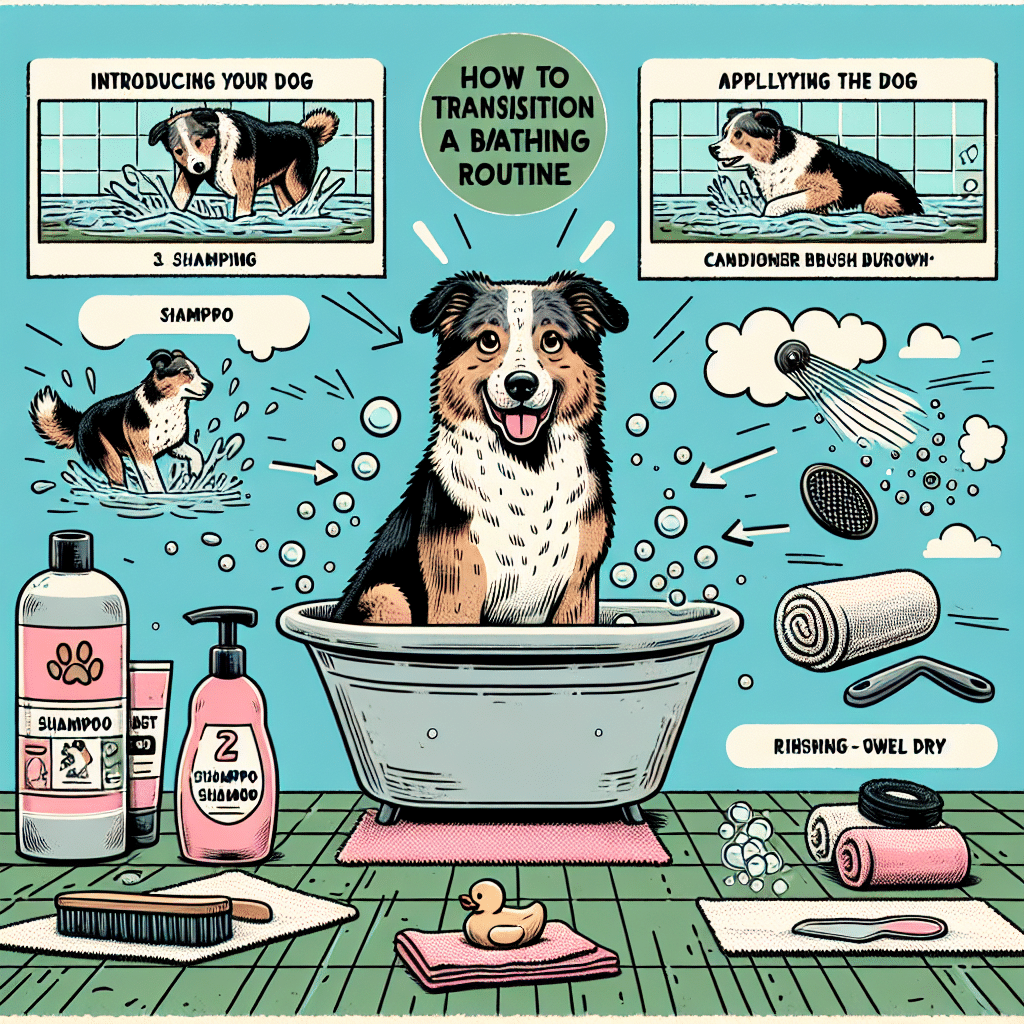
How to Transition Your Dog to a New Bathing Routine Safely and Easily
Giving your dog a bath might seem straightforward, but changing or establishing a new bathing routine requires thoughtful planning. Whether you’re switching to a different shampoo, adjusting the frequency of baths, or trying to make bath time less stressful, a gradual and well-organized approach ensures your dog remains comfortable and safe throughout the transition. In this article, we’ll explore step-by-step strategies to help you transition your dog to a new bathing routine successfully—covering everything from assessing your dog’s current needs to troubleshooting common challenges. Let’s dive into how you can make bath time a positive experience for both you and your furry friend.
Assessing Your Dog’s Current Bathing Needs and Setting Goals
Before making any changes, it’s essential to understand your dog’s existing bathing habits and specific needs. Does your dog get regular baths, or do they only need them occasionally? Observing their skin condition, coat type, and general behavior during baths provides valuable insights into what routine suits them best. For example, a dog with sensitive skin might require specialized hypoallergenic shampoos or less frequent baths, while a double-coated breed may need more regular grooming to prevent matting and skin issues.
Setting clear goals helps shape an effective bathing routine tailored to your dog. Are you aiming for a more hygienic routine, reducing bath time stress, or transitioning to a specific product for skin health? Defining these objectives ensures you focus on what matters most and avoid unnecessary changes that could cause confusion or discomfort. Additionally, consider your own schedule—how often can you realistically bathe your dog without causing stress or inconvenience? Balancing your goals with your dog’s needs creates a sustainable and positive bathing routine.
Consulting your veterinarian is a great way to gather personalized advice based on your dog’s breed, age, skin condition, and health history. They can recommend appropriate bathing frequency and suitable products, helping you avoid common pitfalls like over-bathing, which can strip natural oils, or under-bathing, which may lead to skin infections. Taking time to assess and set realistic goals lays a solid foundation for a smooth transition to a new bathing routine.
Selecting the Right Bathing Products and Equipment for Your Dog’s Skin and Coat
Choosing the proper bathing products and equipment is crucial in creating a safe and effective routine. Not all shampoos are suitable for every dog—factors like skin sensitivity, coat type, and allergies determine the best options. Look for gentle, pH-balanced shampoos specifically formulated for dogs, especially if your dog has sensitive skin or allergies. Avoid human shampoos, as they can disrupt the skin’s natural pH and cause irritation. For breeds with specific needs, such as oily skin or dry patches, specialized products containing ingredients like oatmeal, aloe vera, or medicated treatments can provide extra relief.
In addition to shampoos, the right equipment makes bath time easier and safer. A non-slip bathtub or a secure bathing area prevents slips and injuries, while a handheld showerhead or spray nozzle offers better control over water flow, reducing stress for your dog. Grooming brushes, towels, and perhaps a grooming table can help keep your dog comfortable and make the process more manageable. Investing in quality tools not only improves the bathing experience but also helps maintain your dog’s coat and skin health over time.
When selecting products, always read labels carefully and opt for veterinarian-approved or recommended brands. Conduct a patch test with any new shampoo to check for allergic reactions before full immersion. Remember, the goal is to make bath time a safe, soothing experience—choosing the right products and equipment is the first step toward achieving that.
Gradually Introducing Your Dog to the New Bathing Routine for Comfort and Trust
Transitioning your dog to a new bathing routine should be a gentle, step-by-step process. Abrupt changes can increase anxiety or resistance, so patience is key. Start by introducing your dog to the new products and equipment outside of bath time—let them sniff and explore the shampoo bottle and tools when they are calm. This familiarization helps reduce fear of unfamiliar objects, creating a more positive association.
Next, incorporate short, calm sessions that gradually increase in duration and complexity. For example, begin with simply wetting your dog’s paws or legs, then praising and rewarding them with treats. Over time, move on to rinsing and shampooing, always using a soothing voice and gentle handling. Consistency and positive reinforcement—such as praise, treats, or play—encourage your dog to associate bath time with pleasant experiences. Remember to keep your tone calm and patient, avoiding any rush or rough handling that could increase stress.
Patience and consistency are vital during this process. If your dog shows signs of anxiety or resistance, slow down and revisit earlier steps. For especially nervous dogs, consider incorporating calming aids like pheromone sprays or music designed for relaxation. Over time, your dog will become more comfortable with the routine, which helps establish trust and makes future baths easier for both of you.
Establishing a Consistent Schedule and Routine for Long-Term Success
Once your dog is comfortable with the new bathing routine, establishing a consistent schedule helps reinforce positive behaviors and maintains skin and coat health. Decide on a frequency that aligns with your dog’s breed, lifestyle, and health needs—most dogs benefit from baths every 4-8 weeks, but some may require more frequent grooming. Consistency in timing gives your dog a sense of predictability, reducing anxiety associated with uncertain or irregular routines.
Creating a routine that incorporates all necessary steps—from brushing and drying to applying any skin treatments—streamlines the process and makes bath time less stressful. Designate a specific area for bathing, and develop a checklist to ensure nothing is overlooked. Over time, your dog will associate these steps with a familiar, calming routine, which can significantly improve cooperation and reduce resistance.
In addition to scheduling, consider integrating other grooming activities into the routine, such as brushing or nail trimming, to reinforce a positive grooming culture. Regularly reviewing and adjusting your routine based on your dog’s health, skin condition, and comfort level helps ensure the routine remains effective and stress-free. A consistent approach not only benefits your dog’s physical health but also strengthens your bond through shared positive experiences.
Troubleshooting Common Challenges During the Transition Process
Even with careful planning, you might encounter challenges when transitioning your dog to a new bathing routine. Common issues include resistance to baths, anxiety, or skin reactions. If your dog becomes particularly anxious or resistant, revisit the earlier steps—slowly reintroduce the equipment, increase positive reinforcement, and give extra time for acclimatization. Sometimes, a few extra sessions of gentle exposure can help rebuild confidence and trust.
Skin reactions, such as redness, itching, or dryness, may indicate that the chosen shampoo isn’t suitable for your dog’s skin. In such cases, consult your veterinarian to identify potential allergies or sensitivities. Switching to a hypoallergenic or medicated shampoo may be necessary, along with adjusting the frequency of baths. Keep a close eye on your dog’s skin and coat condition, and don’t hesitate to seek professional advice if problems persist.
Other common challenges include logistical issues, such as limited space or difficulty managing a large or active dog. Using tools like grooming harnesses or slip-proof mats can improve safety and control. If bath time consistently causes stress for your dog, consider alternative bathing options like professional grooming salons or waterless bathing products that can serve as temporary solutions while you work on building comfort at home.
Conclusion
Transitioning your dog to a new bathing routine is a process that benefits greatly from patience, preparation, and a gentle approach. By assessing your dog’s current needs and setting clear goals, choosing appropriate products and equipment, and introducing changes gradually, you can create a safe and enjoyable bathing experience. Maintaining a consistent schedule and routine helps reinforce positive associations, while troubleshooting challenges ensures setbacks are managed effectively. Remember, the ultimate goal is to make bath time a comfortable, trusting activity that promotes your dog’s health and happiness. With time and care, your dog will adapt to their new routine, making grooming a stress-free part of your shared life together.