


How to Wash Your Dog for Fleas and Ticks: Step-by-Step Guide
Dealing with fleas and ticks on your beloved dog can be a stressful experience for both pet and owner. These tiny parasites not only cause discomfort but can also lead to serious health issues like skin infections, anemia, and even transmit dangerous diseases such as Lyme disease or ehrlichiosis. Properly washing your dog for fleas and ticks is a crucial first step in controlling and eliminating these pests. This guide will walk you through everything you need to know—from preparing the right supplies to post-bath preventative measures—so you can confidently tackle flea and tick infestations and keep your furry friend safe and comfortable.
Preparing for the Flea and Tick Bath: Necessary Supplies and Safety Precautions
Before you even lift your dog into the bath, it’s essential to gather all the supplies you’ll need and take safety precautions to ensure a smooth and stress-free process. Having everything ready reduces the chances of rushing or forgetting important steps, which can make the experience more traumatic for your pet. Start by assembling a gentle, veterinarian-approved flea and tick shampoo, a clean, non-slip bathing tub or sink, and a few soft towels for drying. You might also want a flea comb to help remove remaining pests and debris after the bath.
In addition to grooming tools, consider protective measures for yourself. Fleas and ticks are highly contagious and can latch onto your clothing or skin, so wearing long sleeves, gloves, and even a mask if needed can help minimize exposure. Make sure your dog is in a secure, calm environment to prevent sudden escapes or accidents. It’s also wise to keep a bottle of clean water nearby to rinse your pet thoroughly and ensure all shampoo residue is washed away, as leftover chemicals can cause skin irritation.
Safety precautions extend to the choice of flea and tick treatments; always opt for veterinarian-recommended products suitable for your dog’s age, size, and health status. Never use human flea products on dogs, as many contain ingredients toxic to canines. If your dog has underlying health conditions or is very young or old, consult your veterinarian beforehand to ensure the products and methods you’re using are safe. Lastly, consider timing—perform the bath in a warm, draft-free environment to keep your dog comfortable and prevent chills after the bath.
Step-by-Step Guide to Washing Your Dog with Fleas and Ticks
Washing your dog for fleas and ticks requires patience and gentle handling to effectively eliminate pests without causing undue stress. Begin by placing your dog in the bathing area and thoroughly wetting the coat with warm water—avoid hot water, which can irritate your pet’s skin. Apply the flea and tick shampoo generously, focusing on areas where pests tend to hide, such as behind the ears, around the neck, armpits, and tail base. Use your hands or a soft cloth to massage the shampoo into the fur, ensuring it penetrates to the skin.
Let the shampoo sit for the time recommended on the product label—usually around 5 to 10 minutes—so it can kill fleas and ticks effectively. During this wait, you can gently comb through the coat with a flea comb to remove remaining pests and debris. Be gentle but thorough, especially around sensitive areas like the face and ears. After the appropriate time, rinse your dog thoroughly with warm water, making sure no shampoo residue remains, as leftover chemicals can cause skin irritation or allergic reactions.
Dry your dog with towels, and if your dog tolerates it, you can also use a blow dryer on a low, cool setting. As you dry, keep an eye out for any remaining fleas or ticks, and remove them manually with a flea comb or tweezers. Remember to check your dog’s skin and coat carefully after the bath to identify any bites, irritation, or pests that might still be present. Regularly inspecting your dog’s coat can help catch future infestations early and keep your pet comfortable and healthy.
Effective Flea and Tick Treatments to Use During and After the Bath
While bathing provides immediate relief and can reduce the number of fleas and ticks on your dog, it’s equally important to follow up with effective treatments to prevent re-infestation. During the bath, applying a veterinarian-approved flea and tick topical treatment can help kill remaining pests and provide ongoing protection. These topical solutions often contain ingredients like fipronil, selamectin, or fluralaner, which are proven safe and effective when used as directed.
Oral medications are another highly effective option for flea and tick control. These are typically given monthly and work systemically, killing pests after they bite your pet. Consult your veterinarian to choose the right product based on your dog’s health, age, and lifestyle. Additionally, consider using flea collars that contain long-lasting insecticides, especially for outdoor dogs or those prone to infestations. Combining these treatments with regular baths can provide a comprehensive defense against fleas and ticks.
Post-bath, it’s critical to maintain a consistent preventative routine. Regularly apply topical treatments or administer oral medications as prescribed, and keep your environment clean by vacuuming carpets and washing bedding frequently. This helps eliminate flea eggs and larvae that might be lurking in your home. Remember, no single method offers 100% protection, so combining bathing with ongoing preventative measures is the best way to safeguard your dog from future infestations.
Post-Bath Care and Preventative Measures to Keep Your Dog Safe from Future Infestations
After bathing and applying treatment, it’s vital to focus on post-care routines that support your dog’s health and reduce the risk of returning fleas and ticks. Ensure your dog is thoroughly dried and kept warm, especially if the weather is cool, to avoid chills or hypothermia. Offer plenty of water and gentle reassurance, as many dogs find baths stressful. Regular grooming also plays a crucial role—brushing your dog’s coat helps monitor for pests and skin issues and distributes natural oils that promote a healthy coat.
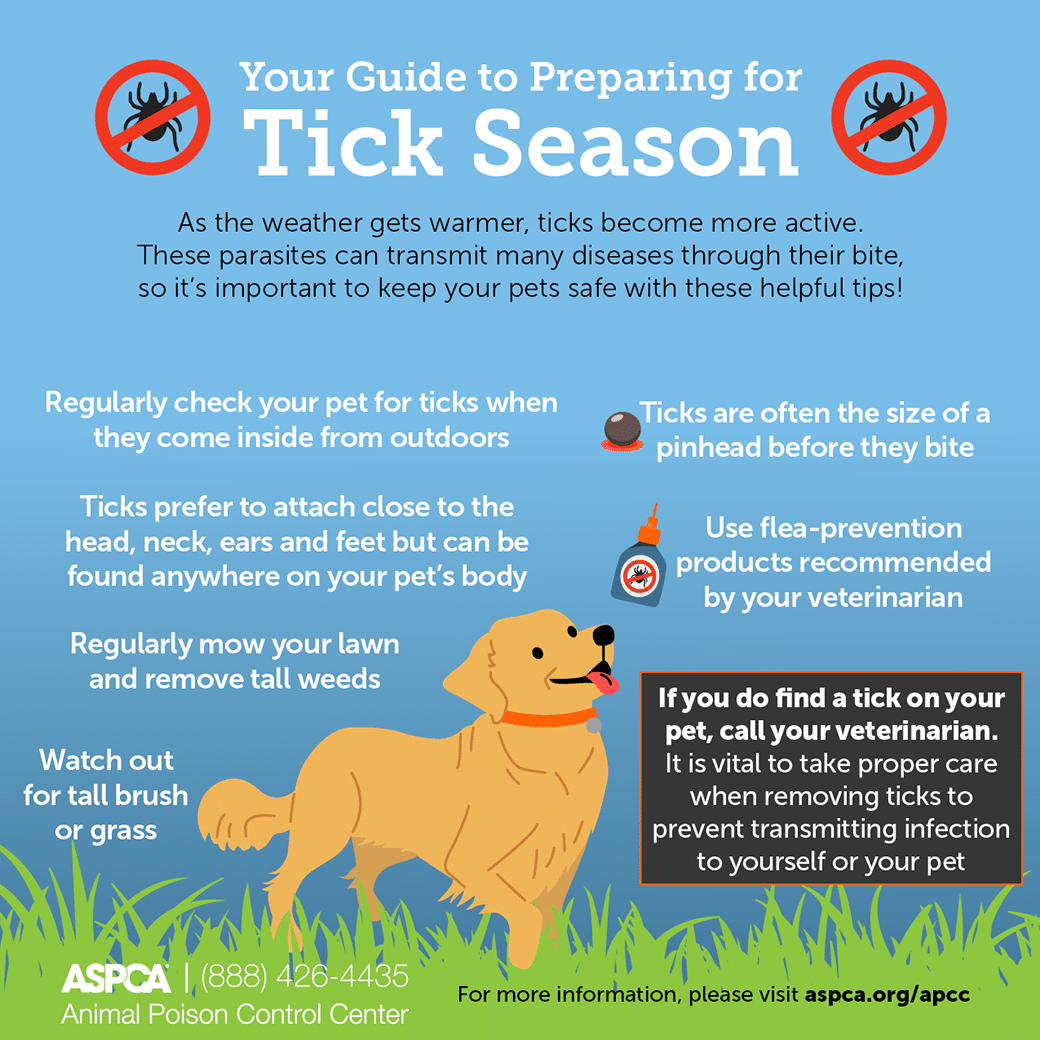
Preventative measures extend beyond the initial bath and treatment. Implementing a consistent flea and tick prevention schedule recommended by your veterinarian is essential. This includes monthly topical or oral medications, seasonal treatments, and maintaining a clean living environment. Regularly inspect your dog’s skin and coat for signs of pests or irritation, particularly during warmer months when fleas and ticks are more active. Early detection can make treatment more effective and prevent severe infestations.
Environmental control is equally important. Regularly vacuum carpets, upholstery, and pet bedding to remove flea eggs and larvae. Wash bedding in hot water weekly and consider using environmental flea sprays or foggers if the infestation is severe. Keeping your yard well-maintained—mowing the lawn, trimming bushes, and removing standing water—reduces outdoor pest habitats. Educating yourself on the habits of fleas and ticks can help you anticipate and prevent future problems, ensuring your dog remains happy, healthy, and pest-free.
Conclusion
Taking the time to properly wash your dog for fleas and ticks is an essential part of responsible pet ownership. From preparing the right supplies and handling your dog gently during the bath, to applying effective treatments and maintaining preventative routines, each step contributes to a healthier, pest-free life for your furry friend. Regular inspections, consistent use of veterinarian-approved products, and environmental control are key to preventing future infestations. Remember, a proactive approach not only relieves your dog’s discomfort but also protects both of you from potential health risks. By staying vigilant and committed to your pet’s wellbeing, you can ensure a happier, healthier life together—free from fleas and ticks.