


How to Manage Hot Spots During Your Dog’s Bath: Tips and Solutions
Caring for your dog involves more than just feeding and playing—it includes maintaining their health and comfort, especially when it comes to skin issues like hot spots. Hot spots, or acute moist dermatitis, are common and often uncomfortable for dogs, causing pain, itching, and potential infection if not properly managed. One critical aspect of preventing and treating hot spots is how you bathe and care for your dog, especially when hot spots are present. In this article, we’ll explore how to effectively manage hot spots during bathing, offering practical tips and solutions to keep your pup comfortable and promote healing.
Understanding Hot Spots and Their Causes in Dogs
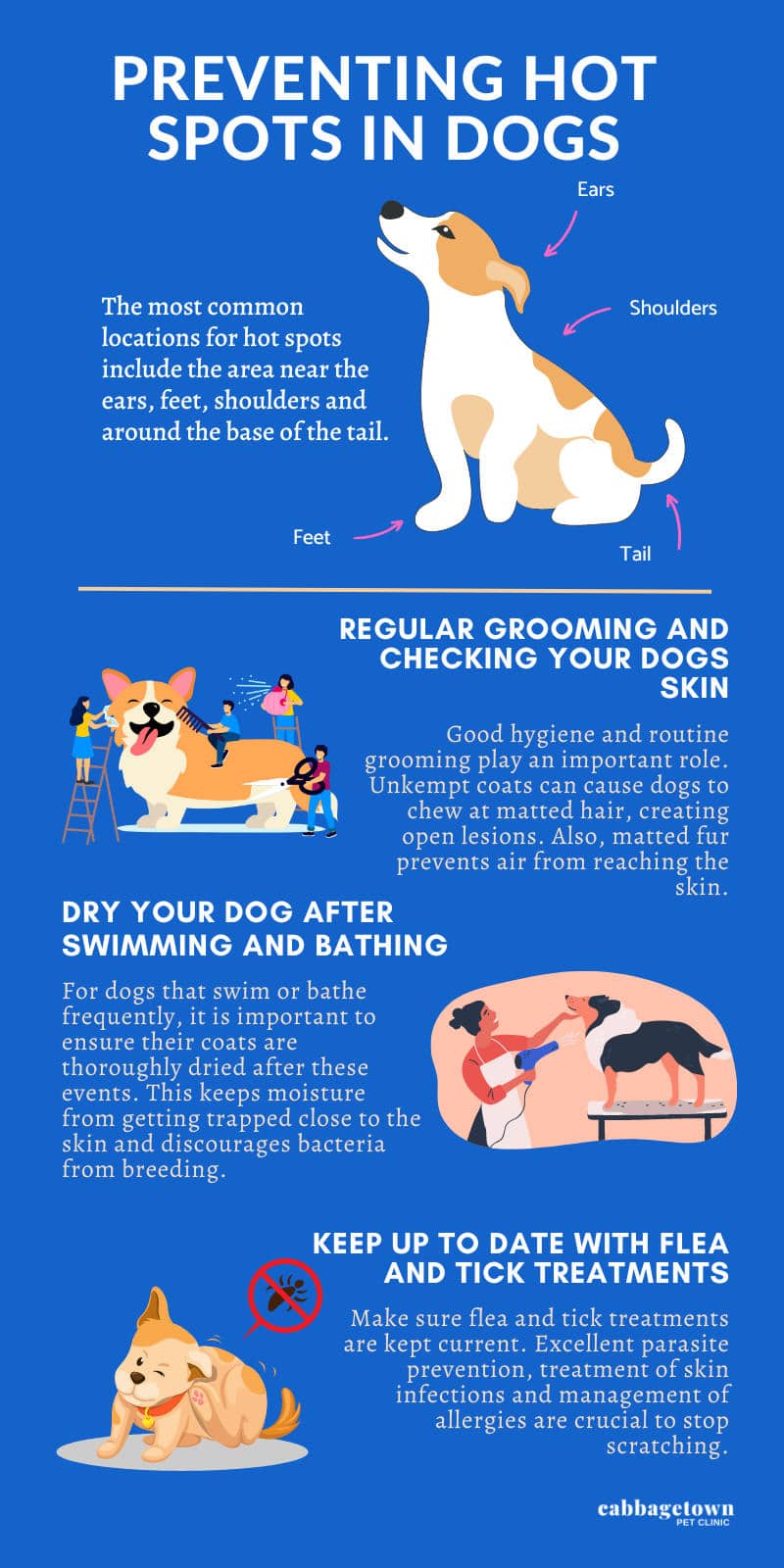
Hot spots are localized areas of inflamed, irritated skin that often appear suddenly and can grow rapidly if untreated. They are usually characterized by redness, moistness, and sometimes a foul smell, caused by excessive licking, biting, or scratching that damages the skin’s surface. Understanding what causes hot spots is essential for effective prevention and management.
One of the primary causes of hot spots in dogs is allergic reactions—whether from food, environmental allergens like pollen or mold, or contact with certain grooming products. These allergies lead to itching, which triggers your dog to lick or chew the area excessively, breaking down the skin barrier and creating an ideal environment for bacteria and yeast to thrive. Skin trauma from friction, insect bites, or repeated rubbing can also initiate hot spots. Additionally, moisture and poor grooming habits contribute by trapping dirt and moisture against the skin, facilitating bacterial growth. Certain breeds with thick or double coats are more prone because their hair can trap moisture and debris.
It’s important to recognize that hot spots are not contagious but are a symptom of underlying issues such as allergies, parasites, or skin infections. Identifying and addressing these root causes is crucial for long-term relief. Regular grooming, attention to your dog’s environment, and early intervention at the first signs of skin irritation can prevent hot spots from worsening. Consulting your veterinarian for persistent or severe cases will ensure proper diagnosis and treatment.
Preparing Your Dog for Bathing to Prevent Hot Spot Irritation
Preparing your dog properly before bathing can significantly reduce the chances of aggravating existing hot spots or creating new ones. First, ensure your dog is calm and relaxed. A calm dog is less likely to scratch or bite during the bath, which can further irritate their skin. Use gentle handling, speak softly, and consider giving a soothing treat or toy to make the experience positive. If your dog is particularly anxious, employing calming aids like pheromone sprays or calming music can help ease their nerves.
Before you start bathing, carefully inspect your dog’s skin for any hot spots or irritations. If you notice hot spots, try to consult your vet for specific care instructions or consider postponing the full bath until the area has healed. When hot spots are present, gentle cleaning with vet-approved solutions can help prevent infection and reduce discomfort. Additionally, brushing your dog thoroughly before the bath removes loose hair, dirt, and debris, minimizing irritation during washing. Use a soft-bristled brush suitable for your dog’s coat type to prevent causing friction or injury.
Finally, gather all necessary bathing supplies in advance—shampoos, towels, and any medicated products prescribed by your vet. This preparation ensures a smooth, stress-free process. It’s also wise to keep water at a comfortable temperature—lukewarm rather than hot—to prevent skin dryness or burns. Proper preparation not only makes the bathing process safer but also provides an opportunity to check for any new or worsening skin issues, allowing you to act promptly.
Choosing the Right Bathing Products for Sensitive Skin
Selecting the appropriate bathing products is vital when managing hot spots, especially since sensitive or irritated skin reacts poorly to harsh chemicals. Look for gentle, hypoallergenic shampoos formulated specifically for dogs with sensitive skin or allergies. These products typically avoid fragrances, dyes, and alcohol, which can strip the skin of natural oils or cause further irritation. Medicated shampoos containing ingredients like chlorhexidine or benzoyl peroxide can be prescribed by your vet to help control bacterial or yeast infections associated with hot spots.
In addition to choosing the right shampoo, consider using natural remedies such as oatmeal-based products or aloe vera-infused shampoos. Oatmeal has soothing properties that hydrate and calm inflamed skin, while aloe vera provides cooling relief and promotes healing. Always opt for products that are pH-balanced for dogs to maintain the skin’s protective barrier. Avoid using human shampoos or harsh cleaning agents, as these can disrupt the skin’s natural balance, making hot spots worse.
For dogs prone to allergies or hot spots, ask your veterinarian about medicated sprays, topical treatments, or wipes that can be used during or after baths to soothe irritated areas and prevent infection. These targeted solutions can be very effective when combined with gentle bathing routines. Remember, selecting the right products and following your vet’s recommendations are key steps toward managing hot spots effectively and maintaining your dog’s overall skin health.
Step-by-Step Guide to Safely Bathe and Care for Hot Spots
Bathing a dog with hot spots requires careful attention to avoid exacerbating the irritation. Start by gently trimming the hair around the affected area if your dog’s coat is long—this allows better access for cleaning and reduces matting, which can trap moisture. Use lukewarm water to wet the area carefully, avoiding direct spray that might cause discomfort. Apply a medicated or gentle shampoo as recommended, lathering softly without scrubbing aggressively to prevent further skin damage.
Next, rinse thoroughly to remove all shampoo residues, as leftover product can cause irritation. Pat the area dry with a clean, soft towel; do not rub vigorously, as friction can worsen hot spots. For added comfort, you can apply a vet-prescribed topical treatment or soothing spray while the area is still slightly damp, helping to reduce inflammation and prevent infection. If your dog is resistant to handling or the hot spot is particularly painful, consider enlisting help or consulting your veterinarian for in-home care techniques.
Post-bath, monitor the hot spot closely for signs of improvement or worsening. Keep the area dry and avoid allowing your dog to lick or scratch—using an Elizabethan collar (cone) if necessary. Regularly check the area for signs of infection, such as pus, increased redness, or swelling, and follow your vet’s instructions for ongoing care. Consistent, gentle hygiene combined with targeted treatments can promote faster healing and prevent hot spots from recurring.
Tips for Promoting Healing and Preventing Future Hot Spots
Promoting healing after a hot spot involves a combination of proper hygiene, environmental management, and addressing underlying health issues. Keep your dog’s skin clean and dry, especially after baths or outdoor activities that might introduce moisture or dirt. Regular grooming helps remove loose hair, dirt, and debris that can irritate sensitive skin, and it also allows you to spot the early signs of hot spots or other dermatological issues. Use gentle brushes suited for your dog’s coat type to prevent unnecessary skin trauma.
Diet and nutritional support also play a significant role in skin health. Providing a balanced diet rich in omega-3 fatty acids, vitamins, and minerals can strengthen your dog’s skin and coat, making them less prone to irritation and hot spots. Consult your veterinarian for recommendations on supplements or specialized diets if your dog has ongoing skin problems. Additionally, managing allergies—whether through hypoallergenic diets, environmental control, or medication—can significantly reduce the incidence of hot spots caused by allergic reactions.
Finally, routine veterinary check-ups are essential for preventing recurring hot spots. Your vet can identify underlying issues such as allergies, parasites, or infections that contribute to hot spots and suggest appropriate treatments. Maintaining a consistent grooming routine, controlling exposure to irritants, and addressing health concerns early on will help keep your dog’s skin healthy and less susceptible to future hot spots. Remember, proactive care and gentle attention make all the difference in your dog’s comfort and overall well-being.
Conclusion
Managing hot spots during your dog’s bath is a crucial part of their skin health and overall comfort. Understanding the causes—such as allergies, moisture, and skin trauma—helps you prevent their occurrence. Proper preparation before bathing, including calming your dog and inspecting for existing hot spots, sets the stage for a safe and effective cleaning process. Choosing gentle, dog-specific products designed for sensitive skin ensures your dog’s skin remains protected and soothed.
A step-by-step approach of careful bathing, gentle drying, and applying recommended treatments promotes healing and prevents infection. Incorporating daily grooming, a nutritious diet, and regular vet visits further reduces the likelihood of hot spots reappearing. By being attentive, gentle, and proactive, you can help your furry friend recover swiftly and maintain healthy, happy skin.
Caring for hot spots isn’t just about treating immediate discomfort—it’s about fostering a healthy environment for your dog’s skin and preventing future flare-ups. With patience, knowledge, and the right products, you can confidently manage hot spots and keep your dog comfortable and healthy for years to come.