


How to Clean Your Dog’s Ears During Bath Time: Easy Tips for Pet Safety
Giving your dog a bath is more than just a quick splash and rinse — it’s a perfect opportunity to check on their overall health, including their ears. Clean ears are essential for your dog’s comfort, preventing infections, and maintaining good hygiene. However, many pet owners feel unsure about how to clean their dog’s ears safely and effectively without causing discomfort or injury. This article will guide you step-by-step through the process, from preparing your supplies to keeping your dog’s ears healthy for the future.
Whether you’re a seasoned pet parent or new to dog care, understanding how to properly clean your dog’s ears can make a significant difference in their well-being. We’ll cover everything you need to know to handle ear cleaning with confidence, keeping your furry friend safe and comfortable during bathtime. Let’s dive into the essentials of maintaining your dog’s ear health!
Preparing Your Supplies and Setting Up a Comfortable Environment
Before starting the ear cleaning process, it’s crucial to gather all the necessary supplies and create a calm, comfortable environment for your dog. Having everything ready will help minimize stress for both you and your pet. Start by choosing a well-lit, quiet space where your dog feels safe—this could be your bathroom, laundry room, or a designated grooming area. Reducing loud noises and distractions helps your dog stay relaxed throughout the process.
Your essential supplies should include a veterinarian-approved ear cleaner formulated specifically for dogs, soft cotton balls or gauze, and possibly a towel or non-slip mat to keep your dog steady during cleaning. Avoid using cotton swabs or Q-tips, as these can push debris further into the ear canal or cause injury. If your dog has particularly floppy ears or long hair, gather some treats or toys to reward and distract them afterward. Proper preparation ensures you’re ready to clean safely and efficiently, making the experience easier and more pleasant for everyone involved.
It’s also advisable to check your dog’s ears before bathing to identify any signs of infection or discomfort. If your dog is prone to ear issues, consult your veterinarian for specific cleaning recommendations or medicated ear solutions. Remember, a calm, positive environment paired with the right supplies lowers the risk of accidents and helps your dog associate bath time with a gentle, caring routine.
Recognizing Signs That Your Dog’s Ears Need Cleaning
Knowing when your dog’s ears need cleaning is vital for early detection of potential problems. Some signs are obvious, like a strong odor, visible dirt, or excessive wax buildup. Other signs are more subtle, such as frequent scratching of the ears, shaking their head, or tilting their head to one side. Ear infections are common in dogs and often indicated by redness, swelling, or a dark, waxy discharge. Being attentive to these cues helps you address issues before they escalate into painful or costly treatments.
In addition to physical signs, behavioral changes can signal ear discomfort. If your dog shows reluctance to have their ears touched, tilts their head frequently, or seems sensitive around their ears, it’s worth inspecting them closely. Sometimes, dogs with allergies or health conditions may develop recurrent ear problems; in such cases, routine cleaning can help manage the symptoms. Regular checks are especially important for breeds with floppy ears, like Cocker Spaniels or Basset Hounds, since their ear structure naturally traps moisture and debris.
Routine ear inspections during bath time or grooming sessions are a smart way to stay ahead of problems. If you notice persistent redness, foul smell, or a lot of wax that doesn’t come off with gentle cleaning, consult your veterinarian promptly. Early intervention can prevent infections, pain, and more serious health issues, keeping your dog comfortable and happy.
Step-by-Step Guide to Properly Cleaning Your Dog’s Ears During Bath Time
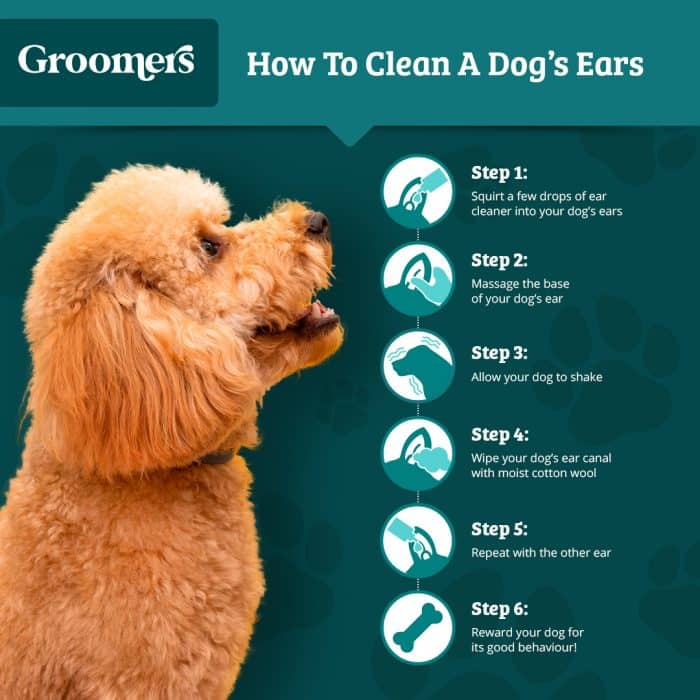
Cleaning your dog’s ears during bath time can be straightforward if approached with patience and care. First, gently lift your dog’s ear flap to expose the ear canal. Apply a veterinarian-approved ear cleaner—usually a few drops—directly into the ear canal, avoiding contact with the ear’s interior to prevent irritation. Massage the base of the ear gently for about 20-30 seconds to help loosen wax and debris, which will make cleaning easier.
Next, let your dog shake their head naturally—it’s their way of dislodging excess fluid and loosened debris. After this, use a soft cotton ball or gauze to wipe away the wax and dirt from the outer ear. Never insert anything deep into the ear canal, as this can cause damage or push debris further inside. Focus on cleaning the visible parts of the ear and the entrance of the canal. If you encounter stubborn wax or debris, repeat the process with fresh cotton and cleaner, but always be gentle and cautious.
Throughout the process, keep an eye on your dog’s reactions. If your pet shows signs of discomfort, stop and try to calm them before proceeding further. Offer treats or praise to create a positive association with ear cleaning. After completing the cleaning, inspect the ears again to ensure they’re free of excessive wax or debris. Finish by rewarding your dog and giving them a cuddle to reinforce the experience as a safe and caring routine.
Tips for Ensuring Safety and Comfort Throughout the Cleaning Process
Prioritizing your dog’s safety and comfort is essential during ear cleaning. Always use products specifically designed for dogs and approved by a veterinarian—never use household items like alcohol, hydrogen peroxide, or Q-tips, which can cause irritation or injury. Keep the ear cleaner away from your dog’s eyes and nose to prevent accidental ingestion or irritation. If your dog has sensitive skin or allergies, consult your vet for suitable cleaning solutions.
To make the process smoother, keep your dog calm and relaxed. Speak in soft, reassuring tones and handle them gently. Take breaks if necessary, especially if your dog becomes anxious or restless. Using treats or toys as distractions can help ease their nerves, and maintaining a calm environment reduces stress for both of you. Never force your dog’s head or ears, as this can cause fear or injury; patience is key to a safe cleaning experience.
During the cleaning, watch for signs of pain, discomfort, or unusual reactions. If your dog starts to resist or shows signs of distress, stop and try again later or seek advice from your veterinarian. Always dry the ears gently after cleaning, especially in humid environments, to prevent moisture buildup which can lead to infections. Maintaining a gentle, patient approach ensures that ear cleaning becomes a positive part of your dog’s grooming routine, fostering trust and safety.
Maintaining Ear Health and Preventing Future Issues
Routine ear care is vital for maintaining your dog’s overall health and preventing recurring infections. Incorporate gentle ear checks and cleaning into your regular bathing schedule—once every few weeks or as recommended by your vet—especially for breeds prone to ear problems. Regular inspections help you catch signs of trouble early, such as wax accumulation, redness, or foul odor, before they develop into painful infections.
In addition to regular cleaning, keep your dog’s ears dry and free of moisture after baths or swimming, as damp environments promote bacterial growth. Use a soft towel or carefully dry the ears with a cotton ball, being cautious not to insert anything deep into the canal. If you notice recurrent issues like excessive wax or inflammation, consult your veterinarian for long-term solutions or medicated ear drops. They may recommend specific products or treatments tailored to your dog’s needs.
Lastly, pay attention to your dog’s overall health, including diet, allergies, and hygiene. Proper nutrition boosts their immune system, making them less susceptible to infections. Regular grooming, a clean environment, and prompt attention to signs of ear trouble are key strategies in preventing future issues. Staying proactive ensures your dog’s ears stay healthy, comfortable, and free from discomfort or disease.
Conclusion
Taking the time to properly clean your dog’s ears during bath time is a simple yet crucial part of responsible pet ownership. By preparing the right supplies, recognizing signs of trouble, and following a gentle, step-by-step cleaning process, you can ensure your dog’s ears stay healthy and free from infections. Remember to prioritize your pet’s safety and comfort at every stage—using veterinarian-approved products, handling them gently, and rewarding their cooperation.
Routine ear maintenance not only prevents discomfort and health problems but also reinforces your bond through caring, positive interactions. With patience, knowledge, and a calm approach, you can turn ear cleaning into a safe, effective, and even enjoyable part of your grooming routine. Keep an eye on your dog’s overall well-being, and don’t hesitate to seek professional advice whenever needed. Your attentive care will help ensure your furry friend remains happy, comfortable, and healthy for years to come.