


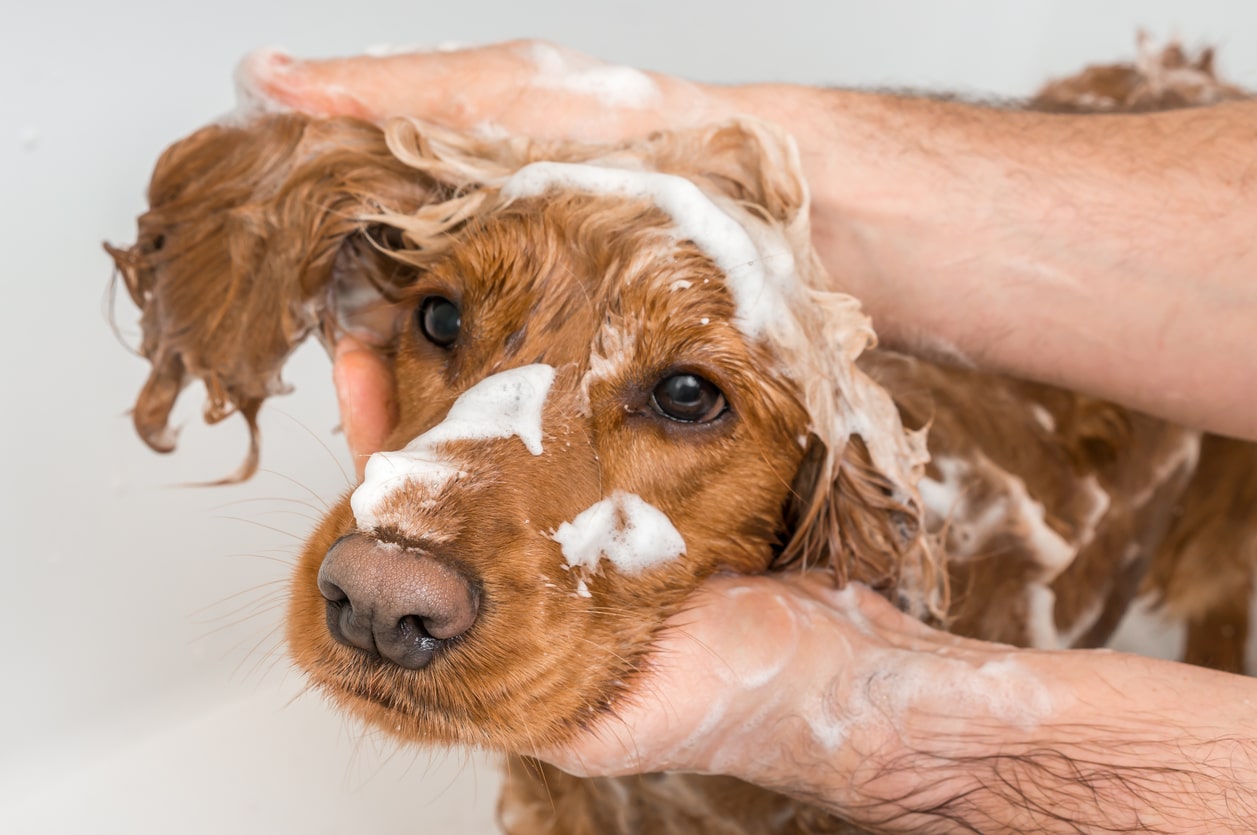
How to Bathe a Dog with Allergies: Tips for a Safe, Gentle Cleanse
If your dog suffers from allergies—be it food sensitivities, environmental triggers like pollen and dust, or skin conditions—giving them a bath requires extra care. Regular bathing helps manage their symptoms by removing allergens, soothing irritated skin, and maintaining overall hygiene. However, without the right approach, bathing can sometimes worsen their discomfort or cause skin irritation. This article will guide you step-by-step through understanding your dog’s allergies, selecting appropriate products, preparing a comfortable environment, and performing a gentle, effective bath. By following these tips, you can ensure a safe and calming experience that supports your dog’s skin health and allergy management.
Understanding Dog Allergies and Their Impact on Bathing Needs
Dog allergies are quite common and can manifest in various ways, including itchy skin, redness, rashes, hair loss, and even ear infections. Allergies can be caused by environmental factors like pollen, mold, dust mites, or contact with certain chemicals, as well as food sensitivities. Recognizing the specific triggers affecting your dog is crucial because it influences how frequently they need baths and the type of products you should use. For dogs with allergies, maintaining a clean, allergen-free environment is vital, and bathing becomes an essential part of their care routine.
When it comes to bathing, dogs with allergies often have compromised skin barriers, making them more sensitive to harsh chemicals and fragrances. Over-bathing or using unsuitable shampoos can strip away natural oils, leading to dryness, increased itchiness, and even secondary infections. Conversely, inadequate cleaning might leave allergens on the skin and coat, exacerbating their symptoms. Understanding your dog’s specific allergy profile helps you strike the right balance—cleaning effectively without causing additional irritation. Consulting your veterinarian can provide insights into allergy testing and tailored bathing routines.
Furthermore, some allergic reactions are chronic, and consistent skin care can help manage inflammation and prevent flare-ups. Regular baths with the right products support healthy skin flora and reduce bacteria and yeast overgrowth, which are common secondary issues. Recognizing signs such as persistent scratching, licking, or hot spots indicates that your dog’s skin needs special attention. By adapting your bathing approach to meet their allergy needs, you can help improve their comfort and quality of life.
Selecting Hypoallergenic and Gentle Dog Shampoos for Sensitive Skin
Choosing the right shampoo is the cornerstone of bathing a dog with allergies. Look for hypoallergenic formulas specifically designed for sensitive skin, which are free from harsh detergents, artificial fragrances, parabens, and dyes. These shampoos often contain mild, natural ingredients like oatmeal, aloe vera, or chamomile that soothe irritated skin and reduce inflammation. Products formulated for allergy-prone dogs are pH-balanced to match their skin’s natural acidity, helping to maintain the skin barrier and prevent dryness.
It’s essential to read ingredient labels carefully. Avoid shampoos that contain sulfates, alcohol, or synthetic fragrances, as these can cause further irritation or allergic reactions. Instead, opt for products labeled as “hypoallergenic,” “medicated,” or “for sensitive skin.” If your dog has a known allergy or skin condition, your veterinarian may recommend medicated shampoos containing ingredients like chlorhexidine, antifungals, or corticosteroids to target specific issues. In some cases, natural remedies like coconut oil-based shampoos can also provide gentle cleansing and skin nourishment.
Always test a new shampoo on a small patch of your dog’s skin before a full bath to monitor for any adverse reactions. Remember, the goal is to cleanse without stripping natural oils or irritating the skin further. Regularly using the right hypoallergenic shampoo not only reduces allergy symptoms but also promotes healthier skin and a shiny coat, making bath time more comfortable for your furry friend.
Preparing Your Dog and Bathing Environment for a Comfortable Experience
Before bathing your allergic dog, create a calm, stress-free environment to make the experience more pleasant for both of you. Gather all necessary supplies—shampoo, towels, a non-slip mat, a gentle brush, and any medicated topical treatments—so you’re ready to go. Brushing your dog beforehand can help remove loose hair, dirt, and allergens, making the bath even more effective and reducing matting that could trap irritants.
Ensuring the bathing area is comfortable and safe is crucial. Use a tub or sink with a non-slip mat to prevent slipping and injuries. Maintain a warm room temperature to help your dog stay relaxed and avoid chilling, especially since dogs with sensitive skin often have reduced coat oils that help regulate temperature. You might consider lining the tub with a towel or a rubber mat to provide extra grip and comfort. Speaking in a gentle, soothing voice and offering treats can also help your dog associate bath time with positive experiences, reducing anxiety.
If your dog is particularly anxious or sensitive, consider bathing in a quiet space away from loud noises or distractions. Use lukewarm water—not too hot or cold—to prevent skin irritation. Be gentle when handling your dog, especially around sensitive areas like the ears, eyes, and paws. Proper preparation ensures that the bathing process is safe, effective, and less stressful for your allergic dog, laying the groundwork for a successful cleanse.
Step-by-Step Guide to Bathe a Dog with Allergies Safely and Effectively
-
Pre-Bath Care: Begin by brushing your dog thoroughly to remove loose hair and allergens, and to detangle the coat. Check their skin for any hot spots, rashes, or signs of irritation, and address these issues before bathing. If prescribed by your vet, apply any medicated topical treatments at this stage.
-
Bathing Setup: Place your dog in the prepared bathing area on a non-slip surface. Wet their coat thoroughly with lukewarm water, ensuring no area is left dry or overly wet. Be gentle around sensitive areas, avoiding water or shampoo contact with the ears, eyes, and nose.
-
Applying Shampoo: Use a small amount of hypoallergenic or medicated shampoo, lathering gently from the neck down, massaging in circular motions to ensure even coverage. Pay special attention to areas prone to allergies, such as paws, underarms, groin, and elbows, where allergens tend to accumulate.
-
Rinsing Thoroughly: Rinse out all shampoo completely—residue left behind can cause irritation or dryness. Use a gentle stream of lukewarm water and ensure no shampoo remains in the coat or skin folds. Double rinsing is often beneficial for sensitive skin.
-
Drying: Gently towel-dry your dog, patting rather than rubbing to avoid skin irritation. If your dog tolerates it, use a blow dryer on a low, cool setting to speed up drying while preventing heat damage. Keep them warm and comfortable during this process.
-
Post-Bath Care: Once dry, apply any prescribed topical treatments or moisturizers recommended by your vet. Brush your dog again to smooth the coat and remove any residual allergens. Reward your dog with praise and treats to reinforce a positive bathing experience.
Regular baths following these steps can help manage allergy symptoms effectively while keeping your dog comfortable and healthy. Consistency and gentle handling are key to maintaining their skin’s integrity and preventing flare-ups.
Post-Bath Care and Tips to Reduce Allergy Symptoms and Maintain Skin Health
After bathing, it’s vital to continue supporting your dog’s skin health and allergy management. Regularly combing or brushing their coat can help remove remaining allergens and loose hair, and distribute natural oils that promote a healthy, shiny coat. Consider using hypoallergenic wipes or sprays to freshen up their coat between baths, especially if your dog is prone to itching or has trouble with frequent bathing. Always choose products that are safe for sensitive skin and free from irritants.
Maintaining a clean living environment is equally important. Regularly wash your dog’s bedding, toys, and any other items they come into contact with to eliminate dust mites, pollen, and other allergens. Use a HEPA air purifier in your home to reduce airborne allergens, which can significantly improve your dog’s breathing and skin comfort. Dietary supplements like omega-3 fatty acids can also support skin barrier health and reduce inflammation, but consult your vet before adding new supplements to your dog’s diet.
Monitoring your dog’s skin condition and allergy symptoms is essential. Keep a journal of bathing frequency, products used, and any changes in their symptoms. If you notice persistent redness, swelling, or worsening irritation, seek veterinary advice promptly. Establishing a consistent, gentle bathing routine combined with environmental management and proper nutrition can significantly improve your allergic dog’s quality of life and skin health over time.
Conclusion
Bathing a dog with allergies requires a gentle, informed approach that prioritizes skin health and comfort. By understanding your dog’s specific allergic triggers, selecting hypoallergenic and soothing shampoos, preparing a calm environment, and following a careful bathing routine, you can significantly reduce their allergy symptoms and support their overall well-being. Remember, patience and consistency are key—your dog’s trust and comfort will grow with each gentle bath. Regular post-bath care and environmental management further aid in maintaining healthy skin and minimizing allergen exposure. If you’re ever unsure, your veterinarian can offer tailored advice to create the safest, most effective bathing routine for your furry friend. With these strategies, you’ll help your dog enjoy cleaner, happier, and healthier days—free from the discomfort of allergies.