


How to Safely Use Medicated Shampoos on Your Dog: Tips & Guidelines
Caring for your furry friend involves more than just regular walks and playtime — it also means paying close attention to their skin health. If your dog has skin issues like allergies, infections, or dermatitis, your veterinarian might recommend medicated shampoos to help soothe and treat these problems. However, using medicated shampoos correctly and safely is essential to ensure effective treatment without causing additional discomfort or irritation.
In this comprehensive guide, we’ll walk you through understanding the different types of medicated shampoos, preparing your dog for a bath, applying the product correctly, and maintaining your dog’s skin health over time. Whether you’re a seasoned pet owner or new to medicated shampoos, these tips and guidelines will help you make informed decisions that promote your dog’s well-being.
Understanding the Types of Medicated Shampoos for Dogs
Medicated shampoos come in various formulations, each designed to target specific skin issues in dogs. Knowing which type is appropriate for your pet’s condition is vital for safe and effective treatment.
The most common types include antibacterial shampoos, which help eliminate bacterial infections; antifungal shampoos, used for yeast or fungal infections like Malassezia dermatitis; anti-inflammatory or soothing shampoos, often containing ingredients like oatmeal or hydrocortisone, aimed at reducing itching and inflammation; and medicated shampoos with specific active ingredients, such as chlorhexidine, miconazole, or ketoconazole, tailored to treat particular skin conditions.
It’s important to note that medicated shampoos are often vet-prescribed or recommended, as misuse can lead to skin dryness, irritation, or resistance. Always read the label carefully and consult your veterinarian to determine the correct product for your dog’s specific needs. For example, a dog with a bacterial skin infection might require a chlorhexidine-based shampoo, while yeast infections might respond better to miconazole.
Understanding the active ingredients and their purposes helps you choose the right medicated shampoo and ensures your dog gets targeted, effective treatment without overexposure to harsh chemicals. Never switch products without professional guidance, as incorrect use can delay recovery or worsen skin issues.
Preparing Your Dog for a Medicated Shampoo Bath
Proper preparation is key to making medicated shampoo baths safe and stress-free for your dog. Before starting, gather all necessary supplies: the medicated shampoo, a gentle brush, towels, and possibly a non-slip mat for the tub or bathing area. This reduces the chaos during the bath and helps your dog stay calm.
It’s also a good idea to brush your dog’s coat thoroughly beforehand, especially if they have mats or loose hair. Removing excess fur and debris allows the shampoo to contact the skin more effectively and minimizes the risk of tangles. If your dog is particularly anxious or fearful of baths, consider calming techniques such as gentle praise, treats, or using a nonslip mat to prevent slipping, which can increase comfort and safety.
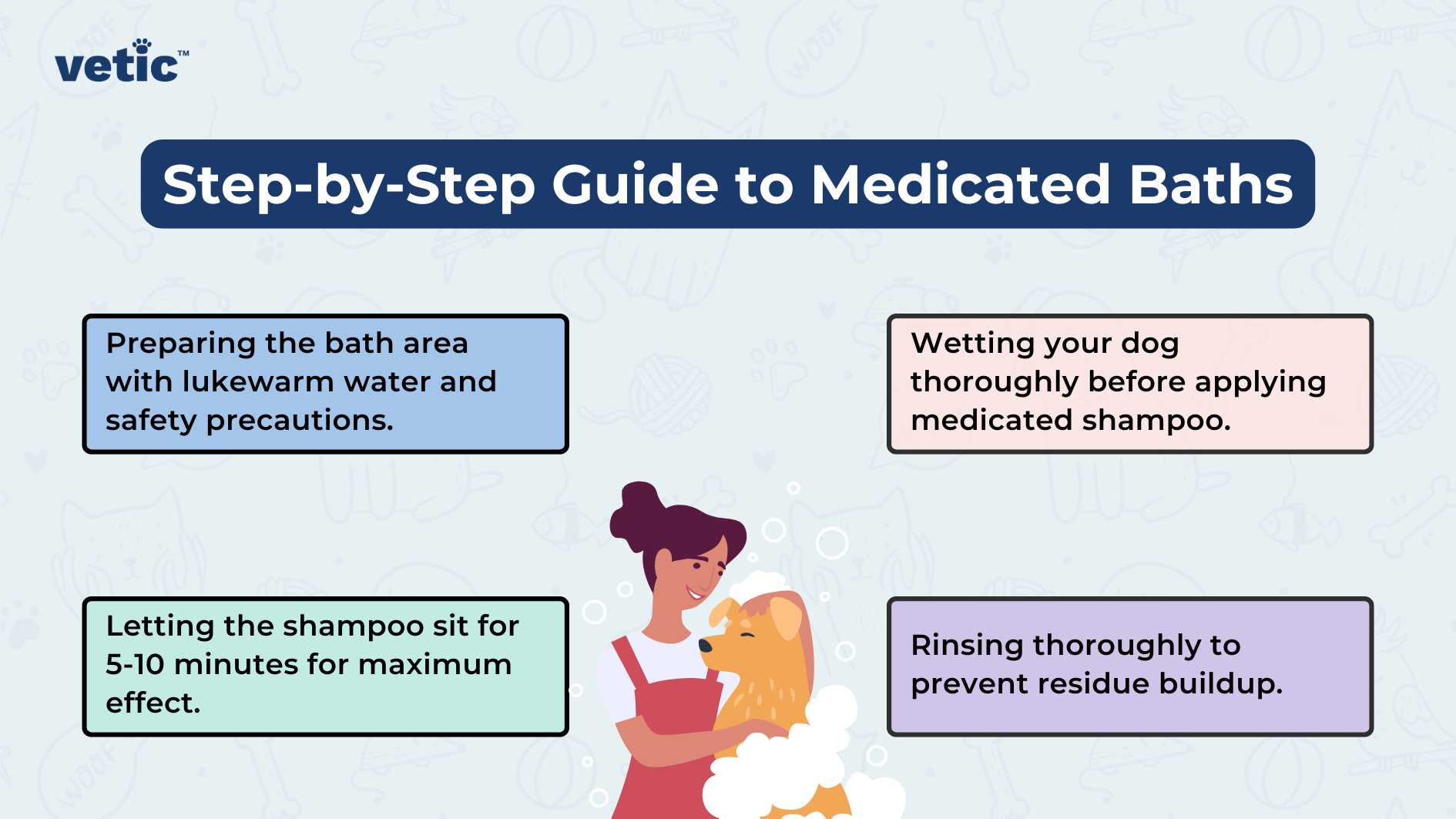
Temperature control is crucial — use lukewarm water, as hot water can dry out the skin or cause burns, while cold water may make your dog uncomfortable. Before applying shampoo, wet your dog’s coat thoroughly, avoiding the face, ears, and eyes. If your dog has sensitive or inflamed skin, consult your vet for any additional preparations or protective measures, such as applying a barrier around the eyes or ears. Proper preparation sets the stage for an effective and safe medicated shampoo bath, reducing stress and minimizing the risk of adverse reactions.
Step-by-Step Guide to Properly Applying Medicated Shampoo
Applying medicated shampoo correctly is essential to maximize its benefits and minimize potential skin irritation. Start by following the instructions on the product label or your veterinarian’s advice. Typically, you’ll massage the shampoo into your dog’s coat, focusing on areas with skin issues, ensuring the medicated solution reaches the skin surface.
Begin by lathering the shampoo from the neck down, working your way towards the tail and legs. Be gentle and avoid scrubbing too hard, as aggressive rubbing can irritate sensitive skin. Use your fingers or a soft brush to distribute the shampoo evenly, paying extra attention to affected areas, such as the paws, belly, or skin folds. If your dog’s skin is inflamed or open, take care to avoid causing further discomfort.
Allow the shampoo to sit on your dog’s skin for the recommended period — typically 5 to 10 minutes — which gives the active ingredients time to work effectively. During this time, keep your dog calm and prevent them from licking the shampoo. You can use a gentle voice or treats to keep them relaxed. After the designated time, rinse thoroughly with lukewarm water, ensuring all traces of shampoo are removed. Residual medicated shampoo can cause dryness or irritation if left on the skin. Pat your dog dry with a towel and avoid vigorous rubbing, which can damage the skin further.
Tips for Ensuring Effectiveness and Preventing Skin Irritation
While medicated shampoos are designed to treat specific skin conditions, improper use can lead to skin irritation or resistance. To maximize their effectiveness, always adhere to your veterinarian’s recommended frequency and application guidelines. Overuse can strip your dog’s skin of natural oils, leading to dryness or increased sensitivity, while underuse may result in incomplete treatment.
When applying medicated shampoos, watch for signs of adverse reactions, such as excessive redness, swelling, or increased itching. If you notice these symptoms, discontinue use immediately and consult your veterinarian. Incorporate additional skin-friendly practices, such as using a gentle, hypoallergenic conditioner after rinsing or applying soothing topical treatments as advised.
Furthermore, protecting your dog’s skin from environmental factors like harsh sun, allergies, or contact with irritants can help prevent further issues. Regularly check your dog’s skin for signs of improvement or deterioration, and keep a log of bathing schedules and any skin changes. This proactive approach ensures ongoing skin health and helps your veterinarian adjust treatment if needed.
Frequency of Use and Monitoring Your Dog’s Skin Health
Determining how often to bathe your dog with medicated shampoo depends on the specific skin condition, the product used, and your veterinarian’s advice. Typically, medicated shampoos are used once a week or as directed until the skin shows signs of improvement. Over-bathing can strip the skin of natural oils, leading to dryness and irritation, so it’s essential to follow professional guidance.
Monitoring your dog’s skin health between baths is equally important. Regularly inspect your dog’s coat for redness, swelling, hair loss, or unusual odors, which can indicate ongoing or worsening issues. If your dog’s skin appears to improve, your vet may recommend spacing out baths, but continued observation remains key. Conversely, if signs of irritation or infection persist or worsen, consult your veterinarian promptly for reassessment or alternative treatments.
In addition to bathing, incorporate supportive care measures such as maintaining a balanced diet, promoting hydration, and avoiding environmental allergens. These steps contribute to overall skin health and can reduce dependence on medicated shampoos over time. Remember, consistent monitoring and communication with your veterinarian are crucial for ensuring your dog’s skin issues are effectively managed and resolved safely.
Conclusion: Keeping Your Dog’s Skin Healthy and Happy
Using medicated shampoos on your dog can be a highly effective way to treat skin infections, allergies, or irritations — but only if applied correctly and safely. Understanding the different types of medicated shampoos helps you choose the right product for your pet’s unique needs, while proper preparation and application techniques ensure the treatment works effectively without adding stress or irritation.
Always follow your veterinarian’s advice regarding frequency and duration of use, and stay vigilant for any adverse reactions. Regular skin inspections and attentive care can significantly improve your dog’s comfort and health. Remember, patience and consistency are key when managing skin conditions, and compassionate handling makes the process smoother for both you and your furry friend.
By following these guidelines and tips, you can confidently incorporate medicated shampoos into your dog’s healthcare routine, promoting a healthier, happier life for your beloved pet.