


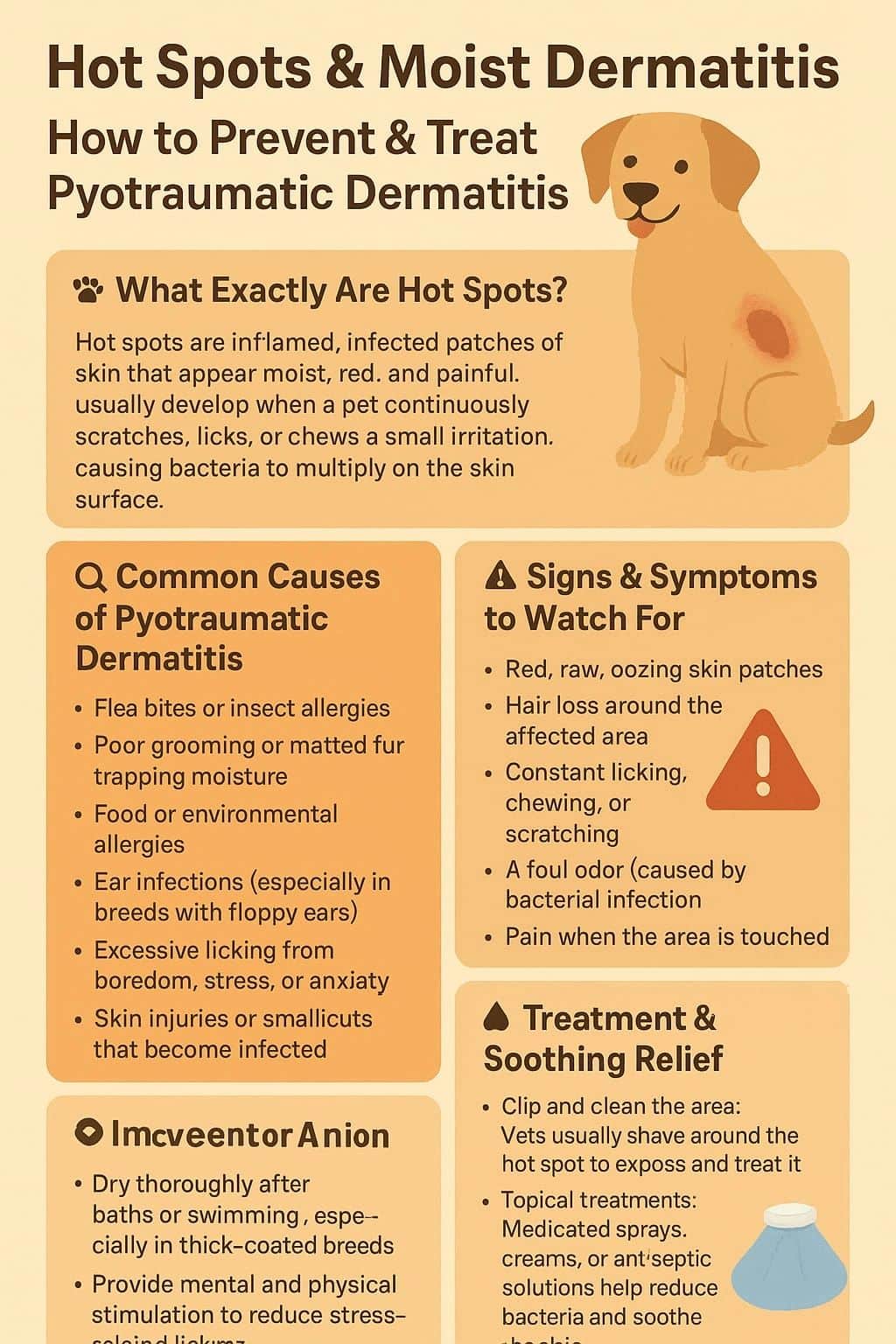
How to Spot Skin Issues During a Dog Wash: Tips for Pet Owners
Giving your dog a bath is more than just a routine chore; it’s an excellent opportunity to check for early signs of skin health problems. Many pet owners overlook the importance of inspecting their dog’s skin during grooming, but catching issues early can make a significant difference in treatment outcomes. Whether your dog has short fur or long, thick hair, being attentive during bath time can help you identify potential health concerns before they escalate. This article provides practical guidance on recognizing common skin issues, understanding visual and tactile indicators, identifying possible causes, and knowing when to seek veterinary advice.
Recognizing Common Signs of Skin Problems During a Dog Wash
During a bath, pet owners are in a prime position to observe subtle changes in their dog’s skin that may indicate underlying health issues. Common signs include excessive scratching, licking, or biting certain areas, which often points to discomfort or irritation. You might also notice hair loss, redness, swelling, or patches of greasy or flaky skin, all of which warrant closer attention. Recognizing these early signs can help you intervene promptly, potentially preventing more serious health problems.
Another important aspect is to pay attention to any unusual odor emanating from your dog’s skin or coat. Foul smells or musty odors can be signs of infections, allergies, or skin diseases. Additionally, some skin conditions cause visible scabs, sores, or crusty patches that may appear during bathing. If you observe any of these signs, it’s essential to note their location and severity, as this information will be helpful when consulting your veterinarian.
Finally, behavioral cues during a dog wash can also hint at discomfort. If your dog appears anxious, excessively squirming, or trying to bite or scratch themselves more than usual, it could be a sign that their skin is bothering them. Being mindful of your dog’s reactions and symptoms during bath time helps you build a better picture of their overall skin health and decide whether professional advice is necessary.
Visual Indicators of Skin Conditions and Allergies in Dogs
Identifying visual signs of skin issues requires a keen eye. Redness or inflammation, often called dermatitis, is a common visual indicator of irritation or allergy. The skin may appear inflamed, swollen, or irritated, especially around the face, ears, paws, or belly. These areas are more susceptible to allergens and irritants, and redness might be accompanied by swelling or warmth to the touch.
Another key visual cue is hair loss or alopecia. Patchy or widespread hair thinning can suggest various underlying issues, from allergies and infections to hormonal imbalances. In some cases, hair loss is accompanied by crusty, scaly, or flaky skin, which may indicate conditions like seborrhea or fungal infections. Recognizing these patterns can help you differentiate between minor irritations and more serious health concerns.
Additionally, the presence of skin discoloration or darkened patches, known as hyperpigmentation, could signal chronic skin irritation or inflammation. You might also notice small bumps, pustules, or rashes that resemble pimples, which could be signs of bacterial or fungal infections. Early identification of these visual indicators allows for timely intervention and reinforces the importance of regular grooming and health checks.
Monitoring Skin Texture, Color, and Discomfort During Bathing
While visual cues are crucial, tactile observations are equally important in detecting skin issues. During a dog wash, gently feeling the skin for roughness, bumps, or thickened patches can reveal underlying problems. Healthy skin should be soft and elastic; hard, crusty, or thickened areas may indicate infections, allergies, or dermatitis.
Pay attention to the skin’s color and temperature. Healthy skin has a consistent color, usually pink or pigmented, depending on your dog’s coat. Areas that feel warm, hot, or cold compared to other parts of the body may signal inflammation or circulation issues. If you notice patches of skin that are overly oily, greasy, or flaking, these are signs of seborrhea or other dermatological conditions.
Discomfort during bathing—such as your dog squirming, flinching, or trying to scratch—should not be ignored. Dogs may also lick or bite at certain areas, indicating irritation or pain. If your pet shows signs of discomfort, note the specific spots involved and assess whether the skin feels abnormal. These tactile clues are vital for identifying issues that might not be immediately visible but are just as important in diagnosing skin problems.
Identifying Potential Causes of Skin Issues to Address During Grooming
Understanding the root causes of skin problems can help you take targeted steps during grooming to improve your dog’s health. Allergies are a common culprit, often triggered by environmental factors like pollen, dust mites, or certain foods. Skin allergies typically cause itchiness, redness, and inflammation, which may worsen during certain seasons or after specific exposures.
Parasites such as fleas, ticks, or mites are another leading cause of skin issues. Flea allergy dermatitis, for example, results from an allergic reaction to flea saliva, leading to intense itching and skin inflammation. During grooming, look for flea dirt (tiny black specks), adult fleas, or signs of mite infestation, such as scaly or crusty patches, especially around the ears and neck.
Infections—bacterial, fungal, or yeast—can also cause skin problems. Bacterial infections often occur secondary to allergies or injuries, resulting in pustules, oozing, or foul odor. Fungal infections, including ringworm, may present as circular patches of hair loss with crusty edges. Recognizing these issues during grooming allows you to seek appropriate treatment and prevent their spread or worsening.
Other causes include hormonal imbalances (like hypothyroidism or Cushing’s disease), which can lead to thinning hair and skin changes, and contact dermatitis from exposure to certain grooming products or environmental irritants. Being aware of these potential causes helps you tailor grooming routines and environmental management to keep your dog comfortable and healthy.
When to Seek Veterinary Advice for Persistent or Severe Skin Problems
While many minor skin irritations resolve with simple grooming and home care, persistent or severe issues require professional veterinary attention. If your dog’s skin problems last longer than a few days despite grooming efforts, or if symptoms worsen, it’s time to consult a vet. Prolonged redness, swelling, or hair loss that don’t improve can be signs of underlying diseases needing specific treatment.
Severe symptoms such as open sores, bleeding, large crusted patches, or extensive hair loss are red flags. Additionally, if your dog exhibits signs of pain, excessive licking or scratching, or appears distressed, seek veterinary advice promptly. These signs indicate significant discomfort or infection that requires professional diagnosis and treatment, potentially including medication, topical treatments, or specialized care.
In cases where your dog shows signs of systemic illness—such as lethargy, fever, loss of appetite, or swelling—medical intervention is urgent. Skin issues can be symptomatic of broader health problems, so a veterinarian’s assessment is essential to determine the root cause and develop an effective treatment plan. Timely veterinary care not only alleviates your dog’s discomfort but also prevents complications and promotes quicker recovery.
Conclusion
Being attentive during your dog’s bath provides a valuable window into their overall skin health. Recognizing early signs of skin issues—whether through visual cues, tactile sensations, or behavioral changes—can significantly improve outcomes and guide timely treatment. Understanding common causes like allergies, parasites, and infections helps you take preventive measures and seek professional help when needed. Remember, persistent or severe skin problems should always be evaluated by a veterinarian to ensure your furry friend stays comfortable and healthy. Regular grooming combined with vigilant observation can keep your dog’s skin in top condition, strengthening your bond and supporting their well-being for years to come.