


How to Bathe a Long-Haired Dog at Home: Tips for a Calm, Clean Grooming
Giving your long-haired dog a bath at home can seem daunting—especially if you’re worried about knots, mats, or making the experience stressful for your furry friend. However, with the right preparation, techniques, and patience, you can turn bath time into a safe, relaxing, and effective grooming routine that keeps your pup looking their best and feeling comfortable.
In this comprehensive guide, we’ll walk you through the essential steps—from preparing your workspace to maintaining your dog’s beautiful long coat after the bath. Whether you’re a first-time pet parent or looking to refine your grooming skills, these tips will help you create a calm, positive bathing experience for your long-haired dog at home.
Preparing Your Workspace and Gathering Necessary Supplies for Long-Haired Dog Bathing
The first step to a successful bath is setting up a clean, organized workspace that makes both you and your dog feel comfortable. A well-prepared environment minimizes stress and ensures you have everything you need within reach, preventing unnecessary interruptions mid-bath. Begin by selecting a location that suits your dog’s size and temperament—most owners opt for a bathtub, utility sink, or even a large basin on a non-slip surface.
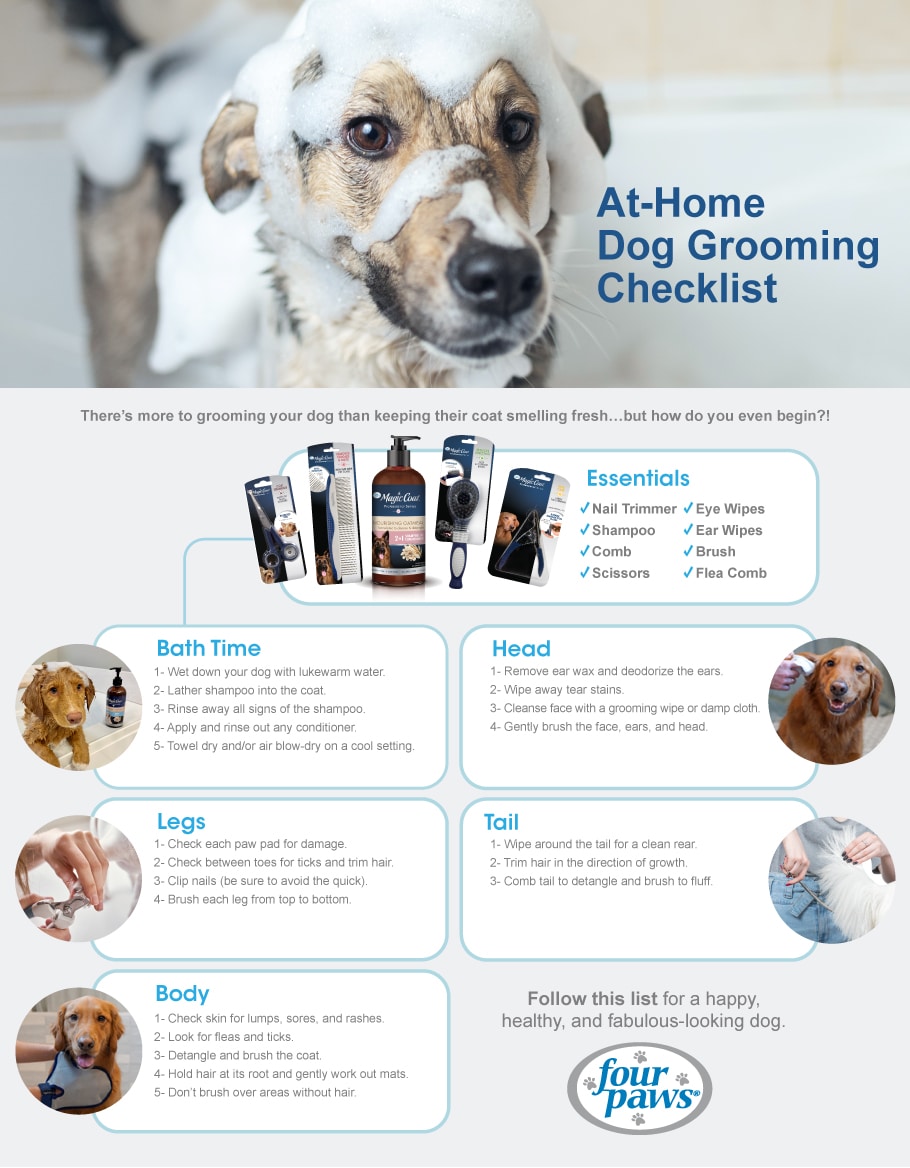
Before starting, gather all your supplies in one place. These should include a gentle dog shampoo formulated for long-haired breeds, a conditioner if needed, a non-slip mat to prevent slipping, soft towels, a handheld showerhead or cups for pouring water, a slicker brush or comb, detangling spray, and possibly a blow dryer designed for pet grooming. Using the right products is crucial—long-haired dogs are prone to mats and skin issues, so opt for shampoos that promote skin health and coat shine. Additionally, having treats and calming aids nearby can help keep your dog relaxed throughout the process.
Ensure the area is warm and free of drafts, as cold temperatures can make your pup uncomfortable and increase the chance of catching a chill. Before starting, test the water temperature—lukewarm water around 90-100°F (32-38°C) is ideal—too hot or cold can upset your dog or damage their skin. Keeping your workspace tidy and well-stocked not only makes the bathing process more efficient but also helps your dog associate bath time with a calm, routine experience rather than chaos.
Brushing and Detangling Long Hair Before the Bath to Prevent Tangles and Mats
Long-haired breeds like Shih Tzus, Old English Sheepdogs, or Bearded Collies require thorough brushing before a bath to avoid mats and tangles that can worsen when wet. Wet hair tends to tighten existing knots, making them more difficult to remove and increasing discomfort for your dog. Brushing also distributes natural oils, promoting a healthy, shiny coat and reducing shedding.
Start by gently examining your dog’s coat for any mats, especially around sensitive areas such as behind the ears, under the legs, and near the tail. Use a slicker brush or a pin brush designed for long coats—these tools are effective at detangling without pulling excessively on the hair or hurting your pet. Be patient and work slowly, holding the hair close to the skin to prevent pulling on the roots. For stubborn mats, apply a detangling spray to loosen the knots and work through them gently with a comb.
Regular grooming sessions, ideally a few times a week, help prevent severe tangles from forming. Before the bath, spend extra time on areas prone to matting, as this will make washing and drying much easier. Remember, a well-brushed coat not only feels better but also reduces the likelihood of skin irritation or infections caused by trapped dirt and debris. Proper grooming before the bath creates a foundation for a smoother, less stressful bathing experience.
Step-by-Step Guide to Washing and Rinsing a Long-Haired Dog at Home
Once your workspace is set and your dog’s coat is detangled, it’s time to start the washing process. Begin by thoroughly wetting your dog’s coat with lukewarm water—ensure the water reaches down to the skin without over-soaking the fur. Use a handheld showerhead or a cup to gently pour water over the coat, avoiding spraying directly into the eyes, ears, or nose. Starting from the neck and working downwards helps prevent water from rushing into sensitive areas.
Apply a dog-specific shampoo, lathering gently from the neck down to the tail. Use your fingers or a soft washcloth to massage the shampoo into the coat, paying close attention to areas prone to dirt buildup like the belly, underarms, and behind the ears. For long-haired breeds, don’t forget to clean around the paw pads and under the tail. Be cautious with the amount of shampoo—using too much can be difficult to rinse out and may cause skin irritation.
Thorough rinsing is critical to remove all shampoo residues—residual soap can cause itching and skin irritation. Rinse the coat carefully, ensuring that water flows smoothly through the fur without tangling or pulling. Take your time, especially around thick areas like the neck and chest, to make sure every bit of shampoo is washed away. For an extra touch, some owners opt to apply a conditioner formulated for long-haired dogs, leaving it on for a few minutes before a final rinse. Once the coat is clean and free of soap, gently squeeze out excess water and prepare for drying.
Proper Drying Techniques for Long-Haired Dogs to Prevent Skin Issues and Mats
Drying a long-haired dog properly is just as important as bathing them. Wet fur, if left to air dry randomly or dried improperly, can lead to mats, skin issues, and discomfort. The goal is to remove excess moisture without causing stress or harm to your dog. Start by gently blotting the coat with a soft towel, pressing lightly to absorb water. Avoid vigorous rubbing, which can tangle or damage the hair and irritate sensitive skin.
For thorough drying, consider using a blow dryer on a low, cool setting—never hot—since high heat can burn or dry out your dog’s skin. Keep the dryer moving constantly to avoid focusing heat on one spot for too long. Be patient and keep the airflow at a comfortable distance, especially around sensitive areas like the face and ears. Many long-haired breeds tolerate blow-drying better when introduced gradually; offering treats and praise can help your dog associate the process with positive experiences.
Once your dog is mostly dry, use a slicker brush or comb to detangle remaining damp hair, working from the tips upward to prevent pulling or breakage. Pay close attention to tricky spots such as behind the ears, under the legs, and around the collar area. Proper drying not only prevents mats but also reduces the risk of skin infections and hot spots. Finishing with a gentle brushing routine will keep your dog’s coat smooth, shiny, and free of mats between grooming sessions.
Tips for Maintaining Long Hair Post-Bath: Regular Grooming and Fur Care Practices
Maintaining your long-haired dog’s coat after the bath is essential to keep it healthy, shiny, and free of mats. Establishing a regular grooming routine—brushing at least a few times a week—helps prevent tangles and distributes natural oils throughout the coat. Use the appropriate tools for your dog’s specific hair type, and be gentle to avoid hurting sensitive skin. Regular grooming also makes future baths easier, as it reduces the amount of dirt and loose hair accumulated in the coat.
In addition to brushing, consider trimming the fur around sensitive areas like the eyes, paws, and sanitary regions. This helps keep your dog comfortable and prevents debris from becoming trapped in the fur, which can lead to infections or irritation. Applying a coat conditioner or detangling spray periodically can make brushing easier and enhance the coat’s overall health and appearance. Regularly check for signs of skin issues such as redness, irritation, or parasites, and consult a veterinarian if any concerns arise.
Lastly, bathing frequency should be tailored to your dog’s lifestyle and coat condition—generally, every 4-8 weeks is sufficient for long-haired breeds. Over-bathing can strip natural oils, leading to dry skin, while infrequent baths can cause dirt buildup and mats. Combine bathing with consistent grooming, a healthy diet, and regular vet visits to ensure your long-haired dog remains happy, healthy, and looking fabulous. Proper maintenance will keep grooming sessions manageable and your dog feeling comfortable and well-cared-for.
Conclusion
Bathing a long-haired dog at home doesn’t have to be a stressful experience with the right preparation and approach. From organizing your workspace and gathering supplies to brushing, washing, drying, and ongoing maintenance, each step plays a vital role in ensuring your pet stays clean, healthy, and comfortable. Patience, gentle techniques, and consistency are key—your dog’s coat will thank you with a beautiful shine and fewer mats.
Remember, grooming is an ongoing process that strengthens the bond between you and your furry friend. Proper care not only improves their appearance but also contributes significantly to their overall health and happiness. So, set aside some time, stay calm, and enjoy the rewarding experience of keeping your long-haired dog looking and feeling their best right at home.