


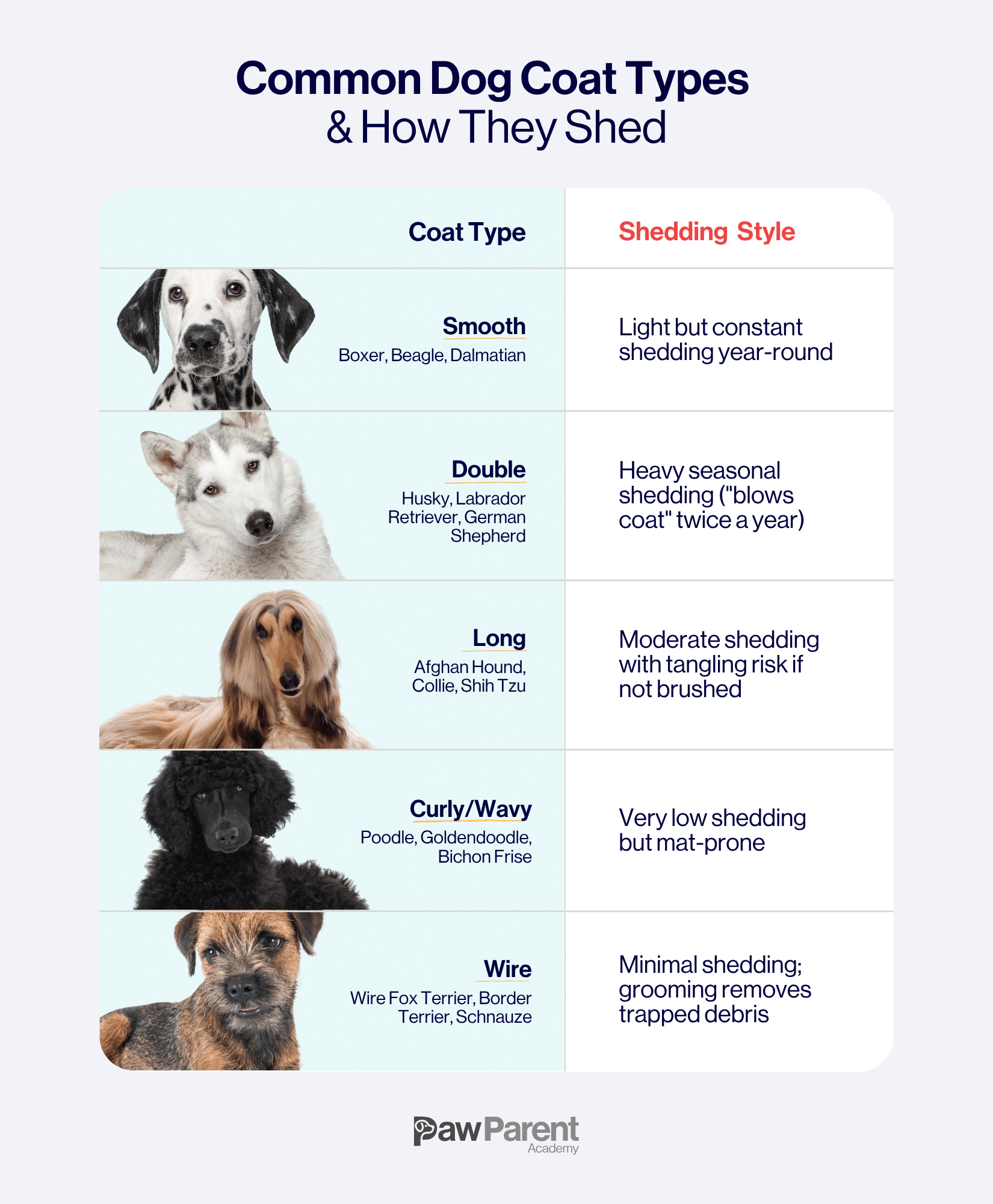
How to Clean a Dog’s Undercoat Effectively: Tips for a Healthy, Shed-Free Coat
If you’re a dog owner, chances are you’re all too familiar with the seasonal shedding, loose fur, and the occasional mat that can turn your furry friend’s coat into a tangled mess. Regularly cleaning your dog’s undercoat isn’t just about keeping your home tidy — it’s an essential part of maintaining your dog’s overall health, comfort, and happiness. An effective undercoat grooming routine can reduce shedding, prevent skin issues, and keep your dog looking and feeling their best. But how do you properly clean a dog’s undercoat without causing discomfort or damage? This article offers a comprehensive guide on how to effectively remove loose undercoat fur, along with tips for ongoing coat health and managing shedding throughout the year.
Understanding the Importance of Regular Undercoat Maintenance
Your dog’s undercoat plays a vital role in protecting their skin and regulating body temperature. It consists of dense, soft fur that insulates against the cold and helps keep moisture and dirt away from the skin. However, this same undercoat can trap dirt, debris, and loose fur, which can lead to skin irritation, matting, and excessive shedding if not properly maintained. Regular undercoat grooming is essential to prevent these issues and ensure your dog’s coat remains healthy and comfortable.
Beyond aesthetics, consistent undercoat care can help you catch early signs of skin problems, parasites, or infections. It’s also a great way to check for abnormalities such as lumps, bumps, or skin irritations that might otherwise go unnoticed under thick layers of fur. For dogs with shedding seasons or breeds that shed heavily, grooming can dramatically reduce loose fur around the house and in your yard, making life more pleasant for everyone. Plus, a clean, well-maintained coat improves airflow to the skin, reducing the risk of hot spots and other skin conditions.
Understanding why regular undercoat maintenance matters will motivate you to establish a routine that fits your dog’s breed, coat type, and lifestyle. Investing a little time in thorough grooming now can save hours of clean-up and potential health concerns later. Remember, consistent care isn’t just about appearance — it’s about promoting your dog’s overall well-being and happiness.
Preparing Your Dog for Undercoat Cleaning: Tools and Safety Precautions
Before diving into undercoat grooming, proper preparation ensures the process is safe, effective, and stress-free for your dog. Start by gathering the right tools: a slicker brush or undercoat rake, de-shedding tools, grooming gloves, and possibly a comb designed for thick coats. Using the appropriate tools for your dog’s specific coat type is crucial; for example, undercoat rakes are fantastic for dense double coats, while slicker brushes are great for general detangling. Additionally, consider using dog-friendly grooming sprays or conditioners to make the brushing smoother and more comfortable.
Safety is paramount when working with grooming tools, especially around sensitive areas like the face, ears, and belly. Always check that your tools are clean and in good condition to prevent snagging or damaging the fur or skin. When brushing, work slowly and gently, especially if your dog is nervous or has sensitive skin. It’s wise to keep sessions short initially to avoid overwhelming your pet, gradually increasing the duration as they become more accustomed to grooming. Reward your dog with treats and praise to create a positive association with the process.
Environmental safety also plays a role; choose a calm, quiet space free from distractions or loud noises. Ensure your dog is standing or lying in a comfortable position, possibly on a grooming table or a non-slip surface. If your dog is prone to anxiety or fear of grooming, consider using calming aids or consulting a professional groomer or veterinarian for tips on easing their discomfort. Proper preparation minimizes risks, enhances the effectiveness of the grooming, and makes the experience more pleasant and safe for your furry friend.
Step-by-Step Guide to Removing Loose Undercoat Fur Safely and Effectively
Now that you’re prepared, it’s time to get into the actual undercoat cleaning process. Start by gently brushing your dog’s coat in the direction of hair growth to loosen loose fur and remove surface dirt. Use a slicker brush or an undercoat rake, working slowly from the top of the back down to the tail, and then move to the sides, chest, and belly. Be patient and avoid pressing too hard to prevent skin irritation. The goal is to lift out dead undercoat fur without pulling or causing discomfort.
For thicker or double-coated breeds, consider dividing the coat into sections and working methodically through each area. Use a de-shedding tool specifically designed for heavy shedding, which can reach deep into the undercoat to remove loose fur more efficiently. After each pass, check the tool for accumulated fur and clear it out regularly to maintain its effectiveness. If you encounter mats or tangles, gently work through them with a detangling spray and a wide-tooth comb before continuing. Never try to force through mats, as this can cause pain or skin injury.
Finish the grooming session by thoroughly brushing the entire coat to ensure all loose fur is removed and the coat is smooth. Remember to be gentle around sensitive areas like the ears, belly, and underarms. Regularly inspecting your dog’s skin during grooming helps identify any abnormalities early. Consistency is key—aim to groom your dog at least once a week, increasing frequency during heavy shedding seasons. Taking your time and using the right techniques will guarantee a safe, effective undercoat removal process that leaves your dog comfortable and with a healthier coat.
Tips for Preventing Undercoat Matting and Managing Shedding Between Grooming Sessions
Preventing undercoat matting and managing shedding isn’t just about grooming sessions; it’s a daily or weekly effort that keeps your dog comfortable and their coat healthy. Regular brushing is the most effective way to distribute natural oils, prevent tangles, and remove loose fur before it becomes matted or shed all over your home. For dogs prone to mats, consider using detangling sprays or leave-in conditioners that make grooming easier and reduce the risk of pulling or discomfort.
Managing shedding between grooming sessions requires a proactive approach. Feeding your dog a balanced diet rich in omega-3 and omega-6 fatty acids supports healthy skin and coat, reducing excessive shedding. Maintaining a clean environment, washing your dog’s bedding regularly, and vacuuming frequently can also minimize loose fur and dander buildup. Additionally, offering your dog plenty of hydration and regular exercise can promote healthy skin and coat, which in turn reduces abnormal shedding and skin issues.
If your dog’s shedding seems excessive or if mats develop despite regular grooming, consider consulting your veterinarian. They can assess for underlying conditions like allergies, hormonal imbalances, or nutritional deficiencies that may contribute to abnormal shedding or coat health problems. Remember, consistency and attention are your best tools for keeping your dog’s undercoat manageable and their coat shiny and healthy year-round.
Post-Cleaning Care and Maintenance to Keep Your Dog’s Coat Healthy and Clean
Once your dog’s undercoat has been thoroughly cleaned and de-shed, it’s important to maintain their coat’s health through proper post-grooming care. Applying a dog-safe conditioner or coat spray can help keep hair soft, reduce static, and make future grooming sessions easier. Regularly checking your dog’s skin for signs of irritation, redness, or parasites ensures early detection of potential health issues. If you notice any abnormalities, consult your veterinarian promptly.
Maintaining a consistent grooming routine is key to long-term coat health. Establishing a weekly or bi-weekly brushing schedule tailored to your dog’s breed and coat type will help minimize shedding and prevent matting. Incorporate routine baths with dog-friendly shampoos as needed, especially if your dog gets dirty or develops skin issues. During bathing, be gentle and ensure thorough rinsing to prevent residue buildup that can irritate the skin or trap loose fur.
Lastly, remember that a healthy diet, adequate hydration, and regular veterinary check-ups are fundamental to a shiny, healthy coat. Consider supplementing your dog’s diet with omega fatty acids, which are known to improve skin and coat health. By combining regular grooming, proper nutrition, and attentive health monitoring, you’ll ensure your furry friend has a vibrant, shed-free coat that reflects their overall well-being. A little effort goes a long way in keeping your dog comfortable, happy, and looking fantastic!
Conclusion
Cleaning your dog’s undercoat effectively isn’t just about managing shedding — it’s a vital part of ensuring your pet’s skin health, comfort, and happiness. Regular brushing with the right tools, combined with a gentle, systematic approach, can significantly reduce loose fur, prevent matting, and promote a gorgeous, healthy coat. Proper preparation, patience, and consistency are key to making grooming a positive experience for both you and your dog.
Remember, ongoing care doesn’t stop after a grooming session. Routine maintenance, a balanced diet, and proactive health checks are essential for long-term coat vitality. By investing time and effort into your dog’s undercoat maintenance, you’re not only reducing household fur but also enhancing your dog’s quality of life. So grab those brushes and grooming tools, and enjoy the bonding time while keeping your furry friend looking and feeling fantastic!