


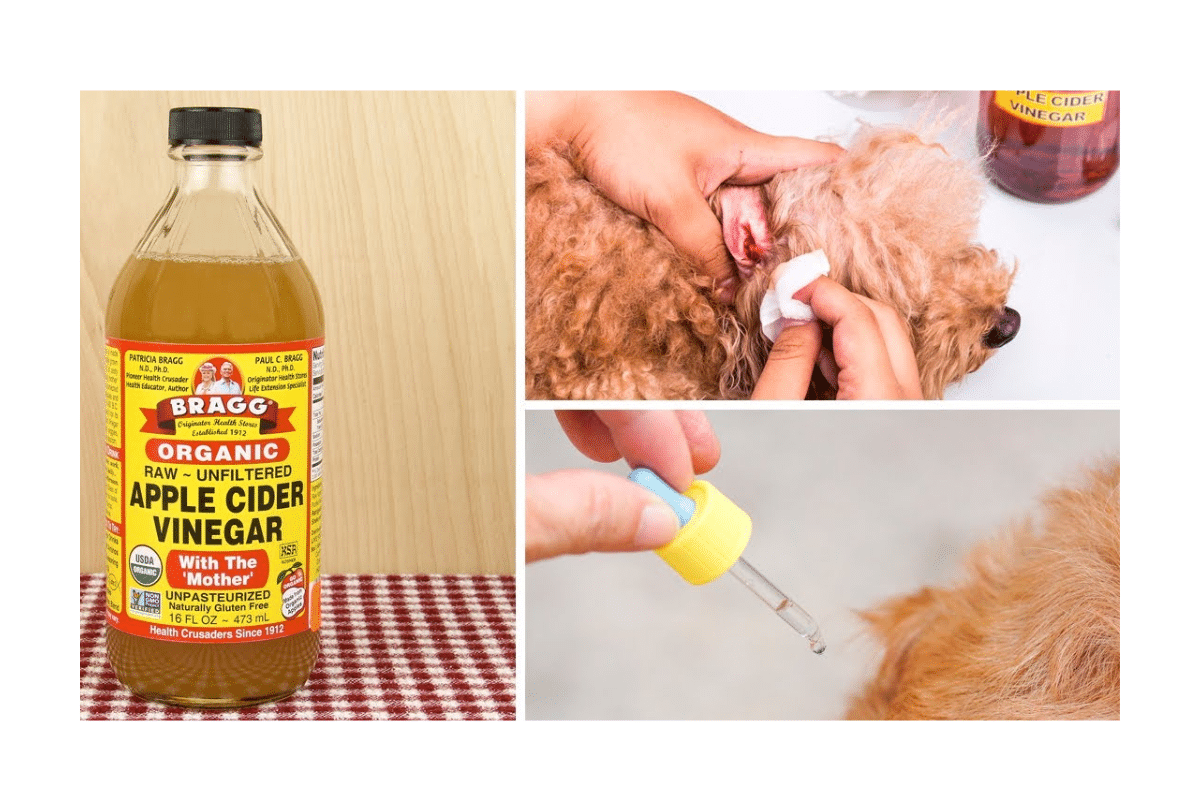
How to Use Apple Cider Vinegar in Your Dog’s Bath for Healthier Skin
If you’re a dog owner interested in natural remedies for maintaining your furry friend’s skin health, you’ve probably heard about the benefits of apple cider vinegar (ACV). This versatile pantry staple isn’t just for salads or dressings; it has remarkable properties that can soothe, heal, and improve your dog’s skin when used correctly. Incorporating apple cider vinegar into your dog’s bathing routine can help manage common skin issues like dryness, itchiness, and irritation, all while supporting a shiny coat. However, understanding how to do it safely and effectively is key. In this comprehensive guide, we’ll explore the benefits of ACV for canine skin health, how to prepare and safely use it, and when to seek veterinary advice.
Whether you’re dealing with a specific skin concern or just want to keep your dog’s skin in top shape, this article will equip you with practical, science-backed insights to incorporate apple cider vinegar into your pet care routine confidently.
Understanding the Benefits of Apple Cider Vinegar for Canine Skin Health
Apple cider vinegar has been celebrated for centuries for its medicinal and cleaning properties, and recent research supports its benefits for skin health—especially in dogs. The primary advantage of ACV for canine skin is its antimicrobial and pH-balancing properties. Dogs, like humans, can suffer from skin infections caused by bacteria, fungi, or yeast. ACV’s natural acids can help inhibit the growth of these microorganisms, reducing itchiness and inflammation.
Another key benefit is its ability to restore the skin’s natural pH. Dogs typically have a skin pH around 6-7, which helps protect against harmful microorganisms. When the skin’s pH becomes imbalanced—due to allergies, moisture, or irritation—bacteria and yeast can thrive, leading to infections. ACV, with its acidic nature, can help rebalance the skin’s pH, creating an environment less hospitable to pathogens and promoting healthier, happier skin.
Moreover, apple cider vinegar contains antioxidants, vitamins, and minerals, such as potassium, magnesium, and acetic acid, which can nourish the skin and coat. It may also help soothe irritation caused by allergies or dermatitis, reducing discomfort and promoting faster healing. Many pet owners report improvements in dryness, dandruff, and general coat condition after regular ACV baths, making it an appealing natural remedy worth exploring.
Preparing Your Dog’s Bath: Safety Precautions and Necessary Supplies
Before you introduce apple cider vinegar into your dog’s bathing routine, safety is paramount. Not all dogs respond the same way, especially those with sensitive skin or open wounds, so proper preparation will help prevent adverse reactions. First, consult your veterinarian if your dog has skin infections, wounds, or known allergies. They can advise whether ACV is appropriate and suggest proper dilution ratios.
For supplies, you’ll need the following:
- Pure, unfiltered, organic apple cider vinegar (with the "mother"): This contains beneficial enzymes and nutrients.
- A large basin or bathtub: Suitable for soaking your dog comfortably.
- Warm water: Lukewarm, to avoid discomfort or burns.
- Measuring cups or a spray bottle: To accurately dilute the ACV.
- Towels and brushes: For drying and grooming afterward.
Safety precautions include patch testing a small area of your dog’s skin before full immersion to check for adverse reactions. Never use undiluted ACV directly on the skin, as its high acidity can cause irritation or burns. It’s also important to avoid the eyes, ears, and open wounds during application. If your dog has pre-existing skin conditions or allergies, a patch test can help determine if ACV is safe for their specific situation.
Lastly, choose a comfortable, calm environment for the bath. Make sure the water is warm but not hot, and have your dog securely restrained or held gently to prevent slipping or panic. Patience and gentle handling will make the experience safer and more positive for your pet.
Step-by-Step Guide to Incorporating Apple Cider Vinegar into Your Dog’s Bath Routine
Adding ACV to your dog’s bath can be simple and effective when done correctly. Follow this step-by-step guide to ensure a safe and beneficial experience:
-
Dilute the ACV Properly
Mix one part apple cider vinegar with three to four parts water for most dogs. For example, combine ¼ cup of ACV with 1 cup of water in a spray bottle or basin. For particularly sensitive skin, start with a higher dilution (more water) and assess your dog’s reaction. -
Prepare the Bath Area
Fill the basin or tub with lukewarm water, ensuring it’s comfortable for your dog. Have your diluted ACV solution ready, along with towels and grooming supplies. -
Wet Your Dog Thoroughly
Use water to soak your dog’s coat completely, making sure to avoid the face, especially the eyes and ears. -
Apply the Apple Cider Vinegar Solution
Using a spray bottle, pour or spray the diluted ACV onto your dog’s coat, focusing on areas prone to itchiness, dryness, or irritation. Gently massage the solution into the skin, ensuring even coverage. Alternatively, you can soak your dog directly in the basin with the ACV mixture for 5-10 minutes, but always keep a close eye to prevent discomfort. -
Allow Time for Penetration
Let the solution sit on your dog’s skin for about 5-10 minutes to maximize its benefits. During this period, gently massage your dog or pet them to keep them calm. -
Rinse and Dry
After the soaking time, rinse your dog thoroughly with lukewarm water to remove residual vinegar, especially if you notice any signs of irritation. Pat your dog dry with a soft towel and avoid vigorous rubbing. -
Post-Bath Care
Once dry, brush your dog’s coat to remove loose hair and promote circulation. Monitor your dog’s skin over the following days for any signs of irritation or improvement. -
Frequency of Baths
For maintenance, a bath with ACV can be performed once every one to two weeks. For specific skin issues, consult your veterinarian for tailored advice on how often to repeat the treatment.
Tips for Ensuring Effective and Safe Use of Apple Cider Vinegar on Dogs
While ACV baths can be beneficial, there are several tips to maximize safety and effectiveness:
- Always dilute properly to avoid skin irritation. Undiluted vinegar is too harsh and can cause burns or discomfort.
- Perform regular patch tests before full application, especially if your dog has sensitive skin or allergies. Apply a small amount on a small area and wait 24 hours to observe any reaction.
- Monitor your dog closely during and after the bath for signs of irritation, redness, or discomfort. If any adverse signs appear, rinse immediately with water and consult your vet.
- Avoid use on open wounds or raw skin. ACV can sting and delay healing if applied to raw areas.
- Adjust the dilution ratio based on your dog’s response. Some dogs tolerate stronger solutions better, while others need more diluted mixtures.
- Use organic, unfiltered ACV with the "mother" for maximum benefits, as processed versions may lack the beneficial enzymes and nutrients.
- Complement baths with a balanced diet and proper grooming. Skin health is multifaceted, and diet plays a significant role in maintaining a shiny coat and healthy skin.
Remember, natural remedies like ACV are supportive but not substitutes for professional veterinary care. If your dog’s skin issues persist or worsen, seeking veterinary advice is essential to identify underlying causes and appropriate treatment.
Common Skin Conditions Treated with Apple Cider Vinegar Baths and When to Consult a Veterinarian
Apple cider vinegar can be an effective adjunct treatment for various common skin conditions in dogs. It’s especially useful for managing yeast infections, hot spots, dandruff, and general irritation caused by allergies or environmental factors. The antimicrobial properties of ACV help inhibit the growth of bacteria and fungi, providing relief and promoting healing.
However, it’s important to recognize when a skin condition requires veterinary attention. For example, if your dog exhibits severe itching, hair loss, open sores, or persistent redness, natural remedies like ACV baths may not suffice. Additionally, if your dog displays symptoms such as swelling, pain, or signs of systemic illness, immediate veterinary care is necessary. Chronic or recurring skin problems should also be evaluated professionally to rule out underlying issues like allergies, hormonal imbalances, or infections that require targeted treatment.
If you observe that ACV baths improve your dog’s condition but do not lead to noticeable progress within a few weeks, or if symptoms worsen, consult your veterinarian. They can provide a proper diagnosis and recommend appropriate medications or therapies. Remember, while apple cider vinegar is a valuable natural option, it should complement, not replace, veterinary guidance, especially in complex or severe cases.
Conclusion
Incorporating apple cider vinegar into your dog’s bathing routine offers a natural, cost-effective way to support healthier skin and a shiny coat. Its antimicrobial and pH-balancing properties can help soothe irritation, combat infections, and improve overall skin condition when used correctly. Proper preparation, safe application, and attentive monitoring are essential to ensure your dog’s safety and comfort. Always remember to consult your veterinarian before starting any new skin treatment, especially if your dog has existing conditions or sensitive skin.
By following the step-by-step guide and tips outlined in this article, you can confidently introduce ACV baths into your pet care routine, fostering healthier skin and happier, more comfortable days for your canine companion. Natural remedies like apple cider vinegar can be powerful allies in maintaining your dog’s skin health—just be sure to use them thoughtfully and responsibly!