


How to Manage Dog Shedding After a Bath: Tips for a Fur-Free Home
Dog owners know the joy of having a furry companion—snuggles, playtime, and unconditional love. But one common challenge that comes with owning a dog is managing shedding, especially after baths. A freshly bathed dog might seem clean and adorable, but the shedding that follows can turn your home into a fur battlefield. The good news? With proper techniques and grooming routines, you can reduce excessive shedding and enjoy a cleaner, fur-free environment.
In this article, we’ll explore why dogs shed after a bath, effective drying and brushing methods, how to choose the right grooming products, and ongoing grooming routines that will keep shedding under control. Plus, we’ll share some extra tips for managing hair loss during and after bathing, helping you create a more manageable, fur-minimized home.
Understanding Why Shedding Occurs After a Dog Bath
Shedding after a bath is a common phenomenon that often puzzles dog owners. To effectively manage this, it helps to understand why it happens in the first place. When dogs are bathed, their fur and skin undergo a sort of reset, which can trigger increased shedding temporarily. This occurs because water and the act of bathing loosen loose or dead hairs that are ready to fall out naturally.
Furthermore, bathing can stimulate blood flow to the skin, encouraging hair follicles to enter active shedding phases. Additionally, some dogs have seasonal shedding patterns, and bathing during these times can intensify the process. Dogs with thick, double coats—like Huskies or Golden Retrievers—are especially prone to noticeable shedding after baths because they naturally shed more in certain seasons and are more affected when their undercoat is disturbed.
It’s also worth noting that some grooming products or water temperature might irritate the skin or strip away natural oils, making the coat more brittle and prone to shedding. Understanding these factors can help you anticipate shedding surges and take steps to minimize them. Recognizing that some shedding post-bath is normal can reduce frustration and help you develop more effective management strategies.
Effective Drying and Brushing Techniques to Minimize Shedding
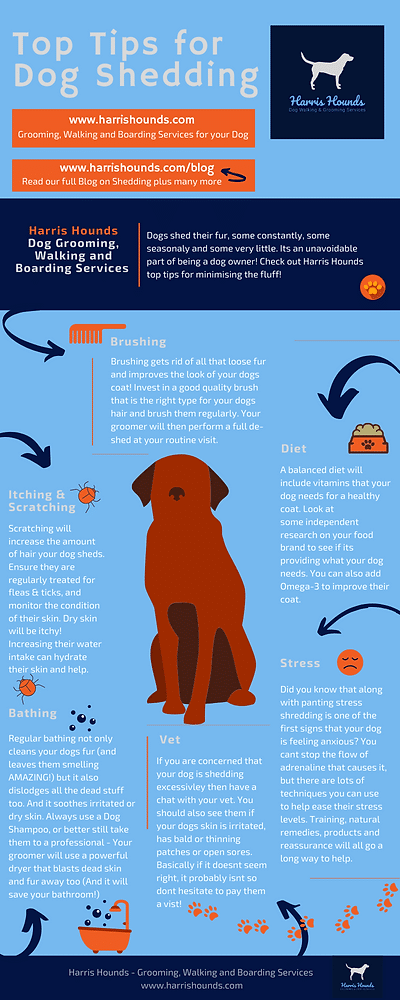
Proper drying and brushing are crucial steps in controlling shed fur after a bath. After bathing, gently towel-drying your dog to remove excess water reduces the time the coat remains damp, which can otherwise lead to increased shedding. Using a high-velocity dryer—set on a cool or low setting—can help speed up the drying process and fluff up the coat, making loose hairs easier to remove.
Brushing plays a vital role in fur management and shedding control. For most breeds, a slicker brush or undercoat rake can effectively remove loose hair and prevent mats that trap shedding fur. It’s best to brush your dog before and after a bath to loosen and remove dead hairs. Brushing in the direction of hair growth, with gentle but firm strokes, reduces skin irritation and helps distribute natural oils, promoting healthier hair and skin.
Consistency is key. Establishing a routine where you brush your dog regularly—at least a few times a week—can significantly lessen post-bath shedding. During the drying process, using a grooming glove or rubber curry brush can also help lift loose hair from the coat. Remember, patience and gentle handling are essential—forcing brushing can cause discomfort and may lead to more shedding due to stress.
Choosing the Right Grooming Products to Reduce Hair Loss
Selecting the appropriate grooming products is fundamental in managing shedding effectively. Look for shampoos formulated specifically for your dog’s coat type and skin sensitivities. Moisturizing shampoos with natural ingredients like oatmeal or aloe vera can help soothe dry skin, which often contributes to excessive shedding.
Conditioners and de-shedding formulas containing ingredients like omega fatty acids or coat-strengthening agents can promote healthier hair growth and reduce breakage. A good de-shedding shampoo or conditioner can loosen loose hairs embedded in the coat, making subsequent brushing more effective. Be cautious to avoid harsh chemicals or overly fragrant products that may irritate sensitive skin and exacerbate shedding.
In addition to shampoos and conditioners, investing in quality grooming tools such as slicker brushes, grooming gloves, and undercoat rakes can make a noticeable difference. Regularly cleaning these tools prevents the buildup of loose fur and dirt, maintaining their effectiveness. Remember, the goal is to support healthy skin and coat, which directly impacts shedding. Consulting your veterinarian or a professional groomer can help you identify the best products tailored to your dog’s breed and needs.
Implementing Regular Grooming Routines for Long-Term Hair Management
Consistent grooming is the cornerstone of managing dog shedding over the long term. Establishing a routine—ideally weekly or bi-weekly—helps keep loose hair at bay and prevents mats and tangles that trap shedding fur. Regular brushing not only reduces fur in your home but also stimulates natural oil production, resulting in a shinier, healthier coat.
Incorporate grooming into your dog’s daily or weekly schedule, making it a positive experience with treats and praise. This helps your pet associate grooming with something pleasant rather than stressful. During routine grooming sessions, inspect your dog’s skin for signs of irritation, parasites, or dry patches that could contribute to excessive shedding. Addressing these issues early can prevent hair loss problems from worsening.
Long-term hair management also involves proper diet and nutrition. Feeding your dog a balanced diet rich in omega-3 and omega-6 fatty acids can improve coat health and reduce breakage. Hydration is equally important—ensure your dog has constant access to fresh water. Combining regular grooming with proper nutrition sets the stage for a healthier coat and minimizes shedding over time.
Additional Tips for Managing Shedding During and After Bathing
Beyond brushing and product choices, there are extra steps you can take to manage shedding effectively during and after bathing. Using a detangling spray or coat conditioner before brushing can ease the removal of loose fur, especially for breeds prone to mats and tangles. Applying a leave-in conditioner post-bath can also keep the coat moisturized, reducing dry skin and shedding.
Another useful tip is to give your dog a cool rinse or lightly mist their coat during or after a bath. This helps in removing residual loose hairs and dirt without irritating the skin. Additionally, consider using a grooming vacuum or a specialized shedding brush designed to pick up hair from both the coat and your furniture, making cleanup easier.
Lastly, maintaining a clean environment is essential. Regularly washing your dog’s bedding and vacuuming your home can drastically reduce the amount of fur circulating in your living space. Using HEPA filters in your vacuum cleaner also helps trap airborne fur and dander, creating a healthier environment for allergy sufferers. Combining these tips with a consistent grooming routine ensures you stay ahead of shedding and enjoy a fur-free home.
Conclusion
Managing dog shedding after a bath is a combination of understanding your dog’s needs, using the right grooming techniques, and maintaining consistent routines. Recognizing that some shedding is natural helps you stay patient and proactive. Effective drying and brushing, along with choosing suitable grooming products, can drastically reduce loose fur and prevent mats.
Implementing regular grooming routines—paired with proper nutrition—supports long-term coat health and minimizes shedding. Don’t forget the extra tips like using detangling sprays, maintaining a clean environment, and addressing skin sensitivities promptly. By investing time and effort into your dog’s grooming, you’ll enjoy a cleaner home and a happier, healthier pet. Remember, a well-groomed dog is not only more comfortable but also a joy to cuddle—fur-free!