


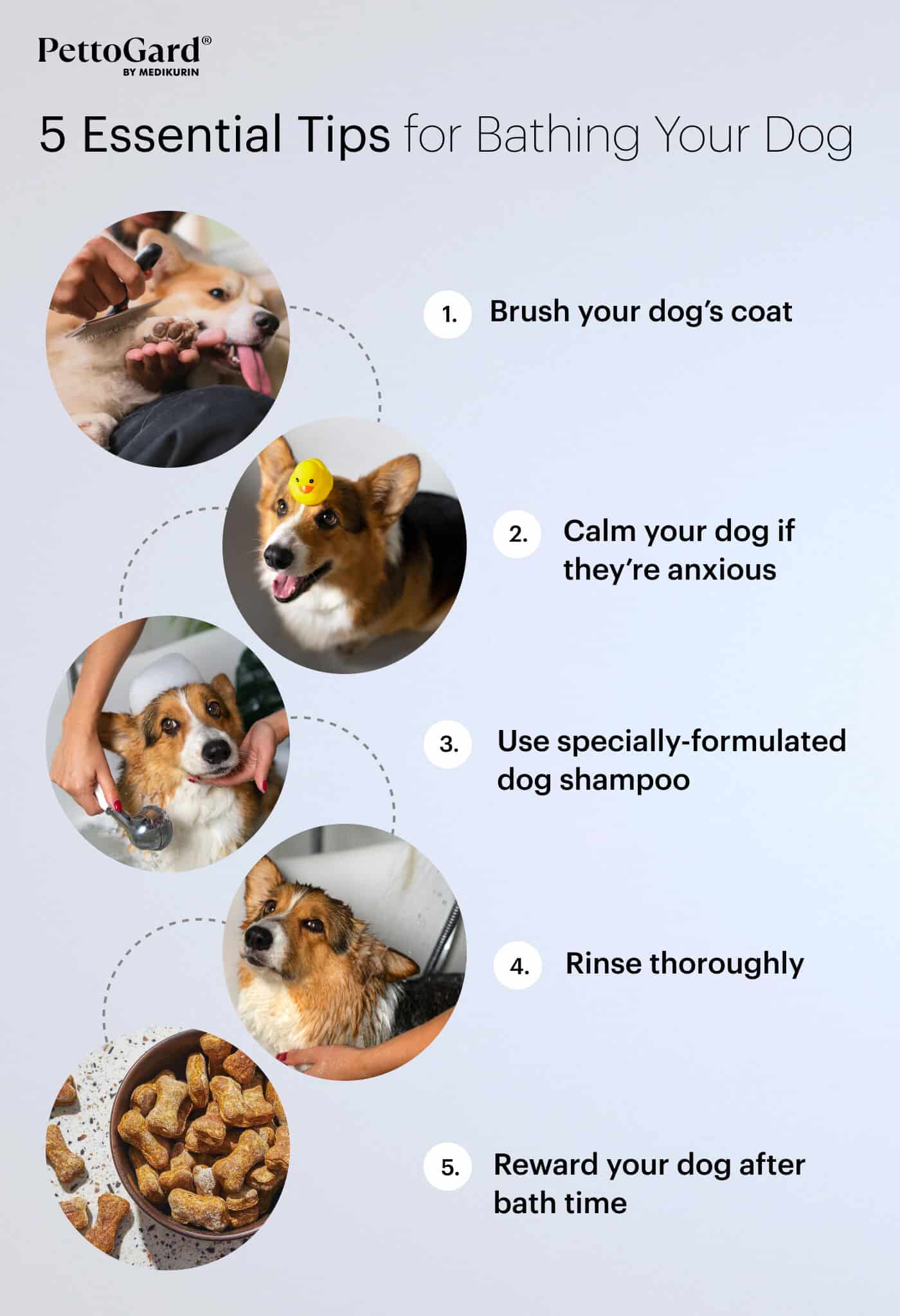
How to Keep Your Dog Calm and Still During a Bath: Tips and Tricks
Bath time can be a stressful experience for both dogs and their owners. Many dogs associate baths with discomfort, restraint, or even fear, making it challenging to keep them calm and still during the process. However, with the right preparation, environment, and techniques, you can transform bath time into a more relaxed and enjoyable experience for your furry friend. In this guide, we’ll explore effective strategies on how to keep your dog calm and still during a bath, covering everything from preparing your dog properly to managing common challenges safely. Whether you’re a first-time dog owner or looking to improve your routine, these tips will help ensure bath time is less of a battle and more of a bonding moment.
Preparing Your Dog for a Calm Bathing Experience
Preparation is the foundation for a stress-free bath time. Dogs that are unfamiliar with or unprepared for baths often become anxious, squirmy, or resistant, making it difficult to keep them still. Begin by gradually introducing your dog to the idea of baths well before the actual day. Use positive associations such as treats, praise, or favorite toys to create a positive emotional connection with the bathing process. For example, let your dog sniff the soap, water, or bath supplies in a calm environment, so they don’t perceive these as threats.
Additionally, establishing a routine helps your dog know what to expect, reducing anxiety. Consistency in the timing and location of baths can make the experience more predictable. If possible, practice handling your dog’s paws, ears, and tail regularly outside bath time to build trust and comfort with being gently touched and examined. This kind of desensitization can prevent struggles during bathing because your dog becomes accustomed to being handled in sensitive areas, making the process smoother and less stressful.
Finally, consider the health and age of your dog. Puppies, senior dogs, or those with health issues may require special considerations. For example, puppies might need shorter, more frequent baths to get used to the process, while older dogs with arthritis or sensitive skin might benefit from warm water and gentle handling. Consulting your veterinarian for specific advice can ensure your dog’s bathing routine is safe, comfortable, and suited to their individual needs.
Creating a Comfortable and Secure Bath Environment
The environment in which you bathe your dog plays a crucial role in their ability to stay calm and still. Choose a quiet, familiar space, such as a bathroom or utility room, free from loud noises, sudden movements, or distractions. The right setting can help your dog feel more secure and less overwhelmed by unfamiliar sights or sounds. Using non-slip mats in the tub or sink prevents slipping and provides stability, which can make your dog feel more confident and secure during bath time.
Temperature control is equally important. Ensure the water is warm but not hot—temperatures around 85-90°F (29-32°C) are ideal for most dogs. Water that’s too hot or cold can cause discomfort or stress, prompting a dog to struggle or resist. Have all your supplies ready before starting—shampoo, towels, brushes, and treats—so the process flows smoothly without unnecessary interruptions or delays. This preparedness reduces your dog’s anxiety, knowing everything they need is within reach.
Another tip is to keep the bathing area clean and free of clutter, which can be intimidating or cause accidents. Using calming elements like a familiar blanket, a soft towel, or soothing background music can also help create a relaxing atmosphere. Some owners find that placing a few of their dog’s favorite toys in the bathing area can serve as positive distractions, making the environment more inviting. By creating a safe, comfortable, and predictable space, your dog is more likely to remain calm and cooperative during bath time.
Using Positive Reinforcement to Encourage Stillness During Bath Time
Positive reinforcement is one of the most effective ways to teach your dog to stay calm and still during baths. Reward-based training helps your dog associate bath time with positive outcomes, reducing fear and resistance. Start by giving your dog treats or praise when they remain calm during small, manageable steps—such as approaching the bathing area, stepping into the tub, or sitting quietly during the wash. This consistency reinforces good behavior and builds confidence.
A practical approach is to break down the bath into manageable phases and reward your dog throughout each step. For example, praise or give a treat when they step into the tub, then again when they stay still while water is poured gently. Use high-value treats that your dog loves, and give them immediately after desired behaviors to strengthen the connection. Over time, your dog will learn that staying calm results in treats and affection, making them more willing to cooperate.
Patience and persistence are key. If your dog becomes anxious or begins to struggle, pause and give them a moment to settle, then continue when they are calmer. Never punish or scold your dog for resisting—they will associate negative feelings with bath time, making future baths even harder. Instead, focus on gentle encouragement and positive reinforcement, gradually increasing their comfort level. This approach fosters a trusting relationship and helps your dog develop a more relaxed attitude toward baths.
Techniques for Gentle Restraint and Stability During Bathing
Maintaining gentle restraint and stability during your dog’s bath is critical for safety and to prevent accidental injuries. The goal is to keep your dog still without causing discomfort or fear. Using calm, firm, yet gentle handling techniques can help your dog feel secure while preventing excessive movement. For example, placing your hand gently on your dog’s chest or shoulders can provide stability, especially if they tend to squirm or back away.
In some cases, using tools like a grooming table with adjustable restraints or a non-slip harness can help keep your dog in place. These devices should be used with care, ensuring they do not tighten excessively or cause discomfort. Always supervise restraint devices closely, and never leave your dog unattended while secured. Proper restraint techniques should prioritize your dog’s comfort and safety, not intimidation.
Another effective technique is to support your dog’s body with your hands or a towel if they are particularly jittery. For example, gently wrapping your dog in a towel can help control their limbs while remaining calm and gentle. For dogs that react more strongly to restraint, consider enlisting the help of a professional groomer or trainer to demonstrate safe handling methods. Remember, consistency and a gentle touch are essential—your dog should associate restraint with safety, not stress, to maintain their calm during bath time.
Managing Common Challenges and Ensuring Safety Throughout the Process
Despite your best efforts, some dogs may still resist or become distressed during baths. Recognizing and managing these challenges early can prevent injuries and make the experience safer for everyone involved. Common issues include attempting to escape, excessive barking, or biting out of fear. If your dog becomes overly anxious, it’s crucial to pause, give them time to settle, and consider re-evaluating your approach.
Safety comes first. Always keep a firm but gentle grip on your dog, especially around the neck and head, to prevent accidental slips or injuries. Be cautious with water spray or shampoo to avoid getting water or soap in their eyes, ears, or nose. Using a no-rinse shampoo or a gentle cloth to clean sensitive areas can be a helpful alternative. If your dog has health issues or fears, consult with a veterinarian or professional groomer for specialized techniques.
Some dogs benefit from training sessions outside of bath time that focus on desensitization and handling. Slowly introducing water and grooming tools in a low-stress environment helps your dog build confidence. Patience, calmness, and consistency are key when managing these challenges. Always watch for signs of distress, such as lip licking, yawning, or trembling, and give your dog breaks as needed. Ensuring their safety and emotional well-being will lead to more positive experiences over time.
Conclusion
Keeping your dog calm and still during a bath is achievable with the right mindset, preparation, and techniques. By preparing your dog gradually and creating a secure environment, you lay the groundwork for a more relaxed experience. Using positive reinforcement encourages cooperation, while gentle restraint and stability ensure safety without causing fear. Managing challenges with patience and understanding transforms bath time from a stressful ordeal into an opportunity for bonding and trust-building.
Remember, every dog is unique, and what works for one may not work for another. The key is to be patient, consistent, and attentive to your dog’s needs. With time and practice, bath time can become a smoother, more enjoyable routine for both you and your furry companion. Embrace these tips to foster a calming environment and help your dog feel safe, secure, and calm during every bath.