


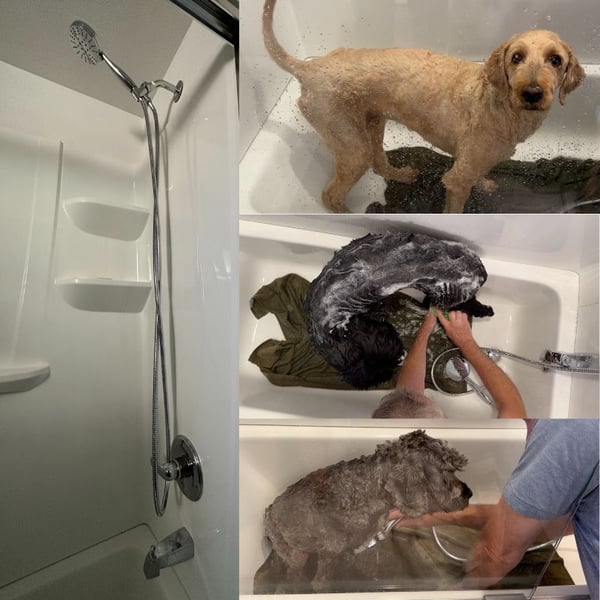
How to Bathe Your Dog Using a Handheld Showerhead: Tips for a Stress-Free Grooming
Giving your dog a bath can be both a rewarding bonding experience and a necessary part of maintaining their health and hygiene. However, many pet owners find the process challenging, especially when it comes to managing water, soap, and the dog’s comfort simultaneously. Using a handheld showerhead can transform bath time from a stressful ordeal into a smoother, more controlled experience for both you and your furry friend. This guide will walk you through everything you need to know—from preparing your dog and choosing the right supplies to post-bath care—helping you create a stress-free grooming routine that leaves your dog looking and feeling great.
Preparing Your Dog and Bathing Area for a Handheld Showerhead Bath
Getting ready before the bath begins can make all the difference in ensuring a calm, stress-free grooming session. Start by choosing a designated bathing area that’s easy to clean and has good drainage — common options include a bathtub, a utility sink, or even a outdoor shower stall if weather permits. Clear the space of any clutter and lay out all your supplies within arm’s reach, including towels, dog-friendly shampoo, brushes, and the handheld showerhead. This preparation minimizes the need to leave your dog unattended or scramble for supplies mid-bath, which can increase their anxiety.
Next, it’s important to make your dog comfortable and relaxed before the actual bathing. During your pre-bath routine, spend some time petting, brushing, or playing with your dog to create a positive association with grooming. If your dog is nervous or new to baths, consider introducing the bathing area gradually—let them sniff and explore the space without any water initially. This helps reduce their fear of the environment itself, making subsequent steps easier. Also, check the water temperature—lukewarm water (around 90-100°F or 32-38°C) is ideal, as it’s gentle on their skin and avoids causing discomfort or burns.
Finally, safety should always be a priority. Ensure the bathing surface is stable—non-slip mats work well to prevent slipping and provide your dog with extra confidence. If your dog tends to jump or wiggle, using a grooming sling or a harness attached to a secure point can help keep them steady. Remember, patience and a calm demeanor from you will encourage your dog to feel safe, laying the groundwork for a more successful bathing experience.
Selecting the Right Handheld Showerhead and Bathing Supplies for Dogs
Not all showerheads are created equal, especially when it comes to bathing dogs. Choosing the right handheld showerhead involves considering water flow, ease of use, and durability. Look for models with adjustable spray settings—such as gentle mist, steady stream, or massage—so you can customize the flow based on your dog’s size, coat, and sensitivity. A lightweight design is preferable for handling over longer periods, and an ergonomic grip helps prevent fatigue during bath time. Many pet-specific showerheads feature reduced water pressure options to prevent startling your dog with a powerful spray.
In addition to the showerhead, selecting the appropriate bathing supplies is equally important. Use a dog-specific shampoo formulated for your dog’s coat type and skin sensitivities, as human shampoos can be too harsh. Conditioners or detanglers may also help manage coats, especially for long-haired breeds. Have a waterproof container or cup nearby for rinsing small or delicate areas gently. Moreover, prepare towels for quick drying and a brush suited to your dog’s fur—brushing before and after the bath assists in removing loose hair and prevents matting.
Investing in quality grooming tools and accessories can turn an ordinary bath into a more comfortable experience. An adjustable, no-squeeze hose attachment makes rinsing easier and more precise, while a mat or rubber mat in the tub provides non-slip footing. If your dog is particularly anxious, consider calming aids such as pheromone sprays or calming music to reduce stress. The right combination of equipment and supplies ensures you can bathe your dog efficiently and comfortably, making the entire process more enjoyable for both of you.
Step-by-Step Guide to Safely Bathing Your Dog Using a Handheld Showerhead
Once you’re prepared, it’s time to dive into the actual bathing process. Start by gently moistening your dog’s coat with lukewarm water using the handheld showerhead, beginning from the neck and working downward, avoiding the face. Keep the spray at a gentle setting to prevent startling your dog and always speak softly to reassure them throughout. Use your hand or a cup to pour water over sensitive areas like the face, ears, and paws—this controlled approach helps you avoid water getting into their eyes or ears.
Apply a generous amount of dog-friendly shampoo, lathering thoroughly from the neck to the tail. Focus on areas prone to dirt and oils, such as the paws, underarms, or around the collar line. Be careful around sensitive spots like the face, eyes, and ears—use a damp cloth to clean these areas gently if needed. Rinse thoroughly with your handheld showerhead, making sure no soap residue remains, as leftover shampoo can cause irritation or itchiness. Repeat the shampooing if your dog is particularly dirty or has a thick coat, always ensuring a complete rinse afterward.
When rinsing, take your time to work through the coat, ensuring that all soap is washed away. Sudden, forceful water flow can stress your dog, so maintain a calm, steady stream. Once the bath is complete, gently squeeze excess water from their coat and wrap them in a towel to start drying. For long-haired breeds, you may need to repeat the rinsing process to ensure all shampoo and dirt are thoroughly removed. Remember, patience is key—keeping the experience calm and controlled will help your dog associate baths with positive feelings rather than fear.
Tips for Ensuring a Comfortable and Stress-Free Dog Bathing Experience
Creating a positive bathing experience depends largely on your approach and environment. Begin with a calm, reassuring tone of voice and gentle movements—your dog can pick up on your stress or impatience, which may heighten their own anxiety. Offering treats and praise throughout the process can motivate cooperation and help your dog associate baths with rewards. If your dog is particularly nervous, consider doing shorter, more frequent sessions leading up to the full bath, gradually building their confidence.
During the bath, pay attention to your dog’s body language. If they appear overwhelmed—tucked tail, flattened ears, or trying to escape—pause and reassure them with comforting words or a gentle pet. Using a non-slip mat in the bathing area provides stability and prevents slipping, which can help your dog feel more secure. Incorporating calming aids, such as pheromone sprays or calming music, can also reduce stress. Additionally, keep the bath environment at a comfortable temperature and avoid loud noises or sudden movements that could frighten your pet.
After the bath, spend time cuddling or offering treats to reinforce positive associations. Be patient if your dog is still a bit anxious—some breeds or individual dogs take longer to get comfortable with baths. Remember, consistency and patience are vital. Over time, your dog will learn that bath day isn’t something to fear, especially if it’s paired with positive experiences. Always end the bath on a calm note, with lots of praise, so your dog looks forward to grooming sessions rather than avoiding them.
Post-Bath Care and Drying Techniques for Your Dog After Using a Handheld Showerhead
Proper post-bath care is essential to keep your dog comfortable and healthy. First, gently towel-dry your dog by patting and pressing, rather than rubbing vigorously, which can cause mats or discomfort, especially for long-haired breeds. For dogs with thick or long coats, a microfiber towel or a high-absorbency cloth speeds up drying and reduces the risk of skin issues caused by moisture retention. If your dog is comfortable with it, you can also use a blow dryer on a low, cool setting—just be sure to keep the nozzle at a safe distance and avoid overheating sensitive areas like the face and ears.
To prevent your dog from getting chilled after the bath, ensure they are thoroughly dried, especially in colder weather or in drafty environments. Once dry, brush their coat to remove any remaining loose hair and prevent mats from forming. This is also a good time to check for any skin irritations, cuts, or parasites that may have been hidden under their fur. Regular grooming and inspection after baths help maintain skin health and catch potential problems early. If your dog has sensitive skin, applying a dog-safe moisturizer or coat conditioner can help soothe and protect their skin.
Finally, reward your dog with praise, treats, or playtime after the bath to reinforce a positive experience. Consistency is key—establishing a regular grooming routine helps your dog become accustomed to baths and reduces stress over time. Remember, patience and gentle handling make the process more pleasant, turning grooming into a bonding activity rather than an ordeal. With time, your dog will associate the use of a handheld showerhead and post-bath routines with comfort and care, making future baths easier for everyone involved.
Conclusion
Bathing your dog using a handheld showerhead can significantly improve the grooming experience—making it safer, more controlled, and less stressful for your furry friend. The process begins with careful preparation: selecting a suitable bathing area, gathering the right supplies, and creating a calm environment. Choosing an adjustable, gentle showerhead along with dog-specific shampoos and grooming tools sets the stage for success. During the bath, patience, gentle handling, and positive reinforcement help your dog stay relaxed and comfortable. Post-bath drying and care are crucial to prevent chills and keep your dog’s coat healthy and shiny.
By following these tips, you turn a routine task into a bonding activity that benefits your dog’s hygiene and emotional well-being. Remember, consistency, patience, and positive interactions are key to stress-free grooming. Over time, your dog will come to see bath sessions as a normal, even enjoyable, part of their routine. So go ahead—equip yourself with the right tools, create a calm environment, and enjoy the many rewards of a clean, happy dog.