


How to Spot Skin Mites During Washing: Tips for Better Skin Health
Maintaining healthy, clear skin involves more than just choosing the right cleanser or moisturizer. Sometimes, tiny invaders like skin mites can sneak into your routine, causing discomfort, irritation, or even skin conditions if left unnoticed. While many people aren’t aware of these microscopic pests, understanding how to identify skin mites during your regular washing routine can be a game changer for your skin health. This article will guide you through what skin mites are, how to recognize their presence during washing, effective observation techniques, distinguishing signs from other skin issues, and practical preventive tips to keep these unwelcome guests at bay.
Understanding Skin Mites and Their Impact on Skin Health
Skin mites, particularly Demodex species, are microscopic parasites that naturally reside on human skin, especially in areas rich in oil glands like the face, nose, eyelashes, and eyebrows. These tiny creatures are usually harmless, living peacefully in most individuals without causing any issues. However, problems arise when their population grows excessively, leading to skin irritation, redness, itching, and sometimes more severe dermatological conditions such as demodicosis or rosacea.
Many people are unaware that these mites are a normal part of the skin’s microbiome, but certain factors can lead to overpopulation. Factors like immune suppression, poor hygiene, oily skin, stress, or hormonal changes can create an environment conducive to mite proliferation. Since they are microscopic—measuring about 0.3 to 0.4 millimeters—they are invisible to the naked eye, which makes detection challenging without careful observation. Understanding their impact helps in recognizing the importance of regular skin hygiene and early detection, thereby reducing potential skin health issues.
The presence of skin mites isn’t always problematic—in fact, most people coexist with them peacefully. The key is recognizing when their numbers become excessive and understanding the implications. An overgrowth can irritate the skin, clog pores, and trigger inflammatory responses, leading to symptoms like flaking, swelling, or acne-like eruptions. Knowing their role in skin health allows you to adopt better hygiene practices and seek appropriate treatment if necessary, ensuring your skin remains healthy and balanced.
Indicators of Skin Mite Presence During Personal Hygiene
During your regular washing routine, certain signs can hint at the presence of skin mites. While direct visualization of these microscopic creatures is rare without specialized equipment, some observable symptoms and subtle cues can serve as indicators. One common sign is persistent skin irritation—especially around the nose, cheeks, or eyelids—that doesn’t respond well to typical skincare products. You might notice increased itching, burning sensations, or a tingling feeling during or immediately after washing.
Another telltale sign involves skin redness or inflammation that appears to flare up sporadically, often in the areas where mites tend to congregate. For those with eyelash or eyebrow involvement, tiny crusts or dandruff-like flakes at the lash lines can be an indicator. Additionally, if you experience frequent breakouts or clogged pores in the same areas despite good hygiene, skin mites could be contributing to these persistent skin issues. Paying close attention to these signs during cleansing can alert you to a potential mite problem needing further investigation.
It’s important to note that these indicators aren’t exclusive to skin mites—they can overlap with other skin conditions like dermatitis, acne, or rosacea. However, consistent or worsening symptoms that don’t improve with standard skincare routines should prompt further examination. Using a magnifying mirror or good lighting during washing might help you notice tiny crusts or scales around hair follicles, which could hint at mite activity. Recognizing these subtle signs early allows for timely consultation with dermatologists and more targeted treatment options.
Effective Techniques for Observing Skin Mites During Washing
While skin mites are microscopic and not directly visible without magnification, certain techniques during washing can help you observe signs of their presence or gather clues about their activity. One effective method involves paying close attention to the skin’s surface during cleansing—look for unusual crusts, flakes, or crusty patches around hair follicles, eyelashes, or nose creases. Using a clean, bright light and a magnifying mirror can enhance your ability to spot these subtle signs.
Another useful technique is gentle skin inspection after washing. After cleansing, use your fingers or a soft cloth to gently examine areas prone to mite activity, such as the eyelid margins, nose, or cheeks. Look for small crusty or scaly patches, which may be a result of mites or their waste products. For a more detailed assessment, some dermatologists recommend collecting skin samples or using skin scraping techniques to analyze for mites—though this requires professional expertise. However, for home observation, simply noting persistent crusts or flakes during washing can be a helpful preliminary step.
Additionally, observing your skin’s response during washing—such as increased itching, tingling, or burning sensations—might indicate mite activity. If your skin reacts strongly during cleansing, it could be due to mites or an allergic response to their presence. Maintaining a hygiene log detailing when symptoms appear or worsen can assist in correlating signs with specific washing routines, helping you identify patterns that point toward mite infestation. Remember, while these techniques are useful, they are primarily observational and should be complemented with professional evaluation for accurate diagnosis.
Tips for Differentiating Skin Mite Signs from Other Skin Conditions
One of the biggest challenges in identifying skin mites is distinguishing their signs from other common skin conditions like acne, dermatitis, or rosacea. Mite-related skin issues often mimic these conditions, making accurate diagnosis tricky without a dermatologist’s expertise. A key differentiator is the location and pattern of symptoms. For example, demodicosis often affects the T-zone of the face (nose, forehead, cheeks) and eyelids, with crusts or dandruff-like flakes around the eyelashes—features that are less typical in acne.
Another important factor is the persistence and response to treatment. Skin conditions like acne or dermatitis usually respond to standard topical treatments, whereas mite-related symptoms may persist or worsen despite these measures. If you notice that your symptoms include intense itching, especially at night or upon waking, or if crusts form around the eyelashes, these could be signs of mite overpopulation rather than typical skin conditions. Diagnostic tests, such as skin scrapings or eyelash sampling performed by a dermatologist, can confirm the presence of mites, providing clarity.
Furthermore, pay attention to any associated symptoms, such as burning sensations, skin thickening, or swelling around hair follicles. While conditions like rosacea cause redness and flushing, they rarely involve crust formation or intense itching caused by mites. Educating yourself about these subtle differences can help you better communicate with healthcare providers and seek targeted treatments, ultimately leading to healthier skin and peace of mind.
Preventive Measures to Reduce Skin Mite Infestation During Routine Cleansing
Preventing skin mite overgrowth is an essential part of maintaining healthy skin and avoiding related discomforts. A fundamental preventive step is practicing good personal hygiene—regularly washing your face twice daily with a gentle, non-comedogenic cleanser helps remove excess oil, dirt, and mites. Ensure that you thoroughly cleanse areas prone to mite habitation, like the eyelids, nose, and cheeks, paying particular attention to areas with visible crusts or flakes.
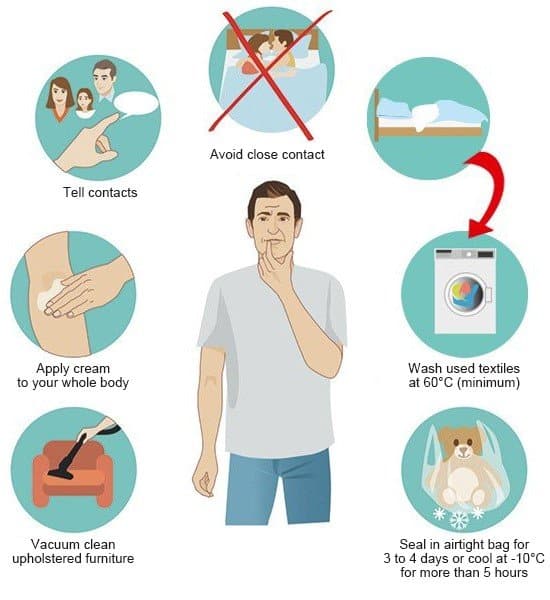
In addition to consistent cleansing, adopting certain habits can significantly reduce the risk of mite infestation. Avoid sharing personal items such as towels, pillowcases, or makeup brushes, as these items can harbor mites and facilitate their spread. Regularly washing bedding, pillowcases, and towels in hot water (at least 60°C or 140°F) can eliminate mites and their eggs. Using hypoallergenic or mite-proof pillow covers and bedding can also create a barrier, preventing mites from colonizing your sleeping environment.
Lastly, maintaining overall skin health through a balanced diet, managing stress, and avoiding excessive use of oily or comedogenic products can make your skin less hospitable for mites. If you suspect a mite infestation, consulting a dermatologist for targeted treatments like medicated creams or washes can further help control their population. Incorporating these preventive measures into your routine fosters a cleaner, healthier skin environment and minimizes the likelihood of mite-related skin issues.
In Conclusion
While skin mites are tiny and often unnoticed, being vigilant about their signs and understanding effective detection techniques can greatly enhance your skin health. Recognizing symptoms such as crusts, flakes, or persistent irritation during washing allows you to take early action—whether through improved hygiene practices or seeking professional advice. Differentiating mite signs from other skin conditions ensures proper treatment, and preventive measures like regular cleaning, avoiding sharing personal items, and maintaining overall skin health can keep these microscopic pests at bay. Empowered with knowledge and practical tips, you can confidently take control of your skin’s health and enjoy a clearer, more comfortable complexion.