


How to Safely Use Essential Oils in Dog Baths: Tips for Pet Owners
If you’re a dog owner interested in natural ways to care for your furry friend, you’ve probably heard about the benefits of essential oils. From calming lavender to invigorating peppermint, these plant extracts can enhance your pet’s grooming routine. However, using essential oils in dog baths requires caution and knowledge. While some oils offer therapeutic benefits, others can be toxic or cause adverse reactions if misused. This article will guide you through understanding the benefits and risks, selecting safe oils, applying them properly, monitoring your dog, and maintaining overall skin and coat health—ensuring your pet’s safety while enjoying the natural benefits of essential oils.
Understanding the Benefits and Risks of Essential Oils for Dogs
Essential oils can be a wonderful addition to your dog’s grooming routine when used responsibly. They are known for their antimicrobial, anti-inflammatory, and calming properties, which can help soothe skin irritations, reduce odors, and promote relaxation. For example, lavender is often used to reduce anxiety, while eucalyptus can act as a natural decongestant. When used properly, essential oils can provide natural relief and support overall skin health, making them an attractive alternative to chemical-laden products.
However, it’s essential to recognize that dogs are much more sensitive to essential oils than humans. Their smaller size, different metabolism, and unique skin properties mean some oils can be toxic or cause irritation even in small amounts. Certain oils like tea tree, cinnamon, and citrus are known to be particularly harmful to dogs and should be avoided entirely. Overuse or improper application can lead to symptoms such as skin redness, drooling, vomiting, or even more severe reactions like neurological issues. Understanding these risks ensures you can make informed choices to keep your pet safe.
Additionally, individual dogs may have allergies or sensitivities that influence how they react to certain oils. Factors such as age, breed, health status, and existing skin conditions can all play a role. It’s crucial to research each oil thoroughly and consult with a veterinarian experienced in holistic pet care before incorporating essential oils into your dog’s bathing routine. Being aware of both potential benefits and risks allows pet owners to harness the positives while minimizing dangers.
Selecting Safe and Appropriate Essential Oils for Dog Baths
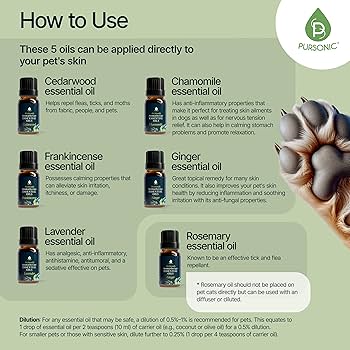
Choosing the right essential oils is the foundation of a safe and effective dog bath. Not all oils are created equal, and some are outright unsafe for canine use. Prioritize oils that are known to be safe when properly diluted—such as lavender, chamomile, or cedarwood—while avoiding those with known toxicity issues like tea tree, citrus, peppermint, and eucalyptus. Always opt for high-quality, pure, and therapeutic-grade oils to prevent contamination or adulteration, which can introduce harmful substances.
Before adding any oil to your dog’s bath, research its specific safety profile. Reliable resources such as veterinary herbal guides or consulting with a veterinarian specialized in holistic medicine can help you identify which oils are suitable. Remember, even oils considered safe in small doses can cause adverse effects if misused. For example, lavender oil, when used excessively or undiluted, can lead to skin irritation or hormonal imbalance. Always start with small amounts and observe how your dog reacts.
When selecting essential oils, consider your dog’s individual needs. If your pet has skin allergies or sensitivities, choose gentle, hypoallergenic options and perform a patch test first. Also, ensure the oils you buy are free from additives, synthetic fragrances, or carrier oils that may not be safe for pets. Properly stored and labeled oils reduce the risk of accidental misuse, and purchasing from reputable suppliers guarantees product purity—an important step in safeguarding your dog’s health during essential oil baths.
Proper Dilution and Application Techniques for Essential Oils in Dog Baths
One of the most critical steps in using essential oils safely in dog baths is ensuring proper dilution. Essential oils are highly concentrated, and applying them directly to your dog’s skin can cause irritation, burns, or allergic reactions. A common practice is to dilute the oil in a carrier like coconut oil, almond oil, or a natural dog shampoo. Typically, a ratio of 1 drop of essential oil per 1 ounce of carrier or shampoo is safe for small to medium-sized dogs. Always err on the side of caution—less is more, especially when you’re just starting out.
When adding essential oils to your dog’s bath, remember to mix thoroughly to ensure even distribution. Use warm (not hot) water, as excessively hot water can dry out your dog’s skin. Avoid pouring oils directly onto the coat or skin; instead, create a diluted solution and apply it gently, focusing on areas that need attention—such as the back, chest, or paws. For calming or deodorizing purposes, you might add a few drops of diluted oil into the bathwater itself, but avoid over-saturating the coat.
During application, keep your dog calm and avoid aggressive rubbing or scrubbing, which can irritate the skin or cause stress. Use a gentle sponge or your hands to massage the diluted mixture into the fur and skin. Post-bath, rinse thoroughly to remove any residual oils, and dry your dog completely. Proper application techniques not only maximize the benefits but also minimize the risk of adverse reactions, ensuring your dog’s bathing experience is both safe and pleasant.
Monitoring Your Dog’s Reaction and Ensuring Safety During and After the Bath
After applying essential oils in your dog’s bath, vigilant monitoring is essential to catch any signs of discomfort or adverse reactions early. Observe your pet during and immediately after the bath for symptoms such as excessive scratching, redness, swelling, drooling, vomiting, or lethargy. These can indicate an allergic response or irritation caused by the oils. If you notice any unusual behaviors or physical signs, rinse your dog thoroughly with clean, lukewarm water and consult your veterinarian promptly.
It’s also important to monitor your dog over the following hours and days. Sometimes, reactions can be delayed or develop gradually. Keep an eye on your pet’s skin—look for redness, swelling, or increased sensitivity—and note any changes in behavior, appetite, or activity level. Maintaining a journal of your observations can help identify patterns or specific oils that may be problematic, guiding future use. Always have your veterinarian’s contact information handy in case urgent advice is needed.
Safety doesn’t end once the bath is over. Ensure your dog is kept in a calm, comfortable environment while drying and recovering. Avoid exposing your pet to potential irritants, like strong cleaning chemicals or outdoor pollutants, during this time. If your dog has a history of sensitivities or reactions to essential oils, consulting with a veterinarian beforehand can help tailor a safe and effective bathing routine. Regularly evaluating your dog’s comfort and health preserves the benefits of essential oils while preventing accidental harm.
Tips for Maintaining Overall Skin and Coat Health with Essential Oil Baths
In addition to using essential oils safely, maintaining your dog’s overall skin and coat health involves a holistic approach. Regular bathing with gentle, veterinarian-approved shampoos can keep the coat clean and free of dirt and parasites. When incorporating essential oils, choose formulations that support skin hydration, reduce odor, and promote a shiny, healthy coat. For example, adding a few drops of lavender or chamomile diluted in a mild shampoo can soothe irritated skin and reduce inflammation.
Nutrition also plays a vital role in your dog’s skin and coat health. A balanced diet rich in omega-3 and omega-6 fatty acids can improve coat shine, reduce dryness, and strengthen the skin’s barrier. Supplementing with veterinarian-recommended products or natural oils like fish oil can enhance the effects of your baths. Remember, external treatments work best when combined with internal wellness, so focus on a holistic approach that includes proper diet, hydration, and regular grooming.
Finally, consistency is key to maintaining skin and coat health. Establish a routine that includes gentle baths with safe essential oils, regular brushing to remove loose fur and stimulate oil production, and routine veterinary check-ups. Avoid over-bathing, which can strip natural oils and cause dryness or irritation. By integrating safe essential oil practices with overall grooming and health strategies, you can help ensure your dog looks and feels their best—naturally and safely.
Conclusion
Using essential oils in your dog’s bath can be a natural way to promote skin health, reduce odors, and calm your pet—if done responsibly. The key is understanding the benefits and risks, selecting safe and appropriate oils, applying them correctly through proper dilution and technique, and closely monitoring your dog’s reactions. Remember, every dog is unique; what works for one may not be suitable for another, so always prioritize your pet’s safety and well-being.
By following these guidelines, pet owners can enjoy the natural, soothing benefits of essential oils while minimizing potential dangers. Incorporate careful research, consult with professionals, and maintain a holistic approach to your dog’s grooming routine. With love, patience, and knowledge, you can enhance your dog’s health and happiness—naturally and safely.