


How to Safely Remove Bath Mats: Tips for a Secure and Easy Process
Taking a relaxing bath is a cherished routine for many, but when it comes to maintaining safety in your bathroom, small details like removing and replacing bath mats matter more than you might think. A slippery, worn-out bath mat can pose a significant risk for falls, especially in a wet environment. Whether you’re cleaning, replacing a damaged mat, or simply adjusting its position, knowing the right way to remove your bath mat safely can prevent accidents and keep your bathroom a secure space. In this article, we’ll explore the importance of safe bath time practices, practical preparation tips, step-by-step removal techniques, safety precautions, and maintenance advice to keep your bathroom safe and comfortable.
Understanding the Importance of Safe Bath Time Practices for Bath Mats
Bath mats serve a vital role in our daily routines—they absorb excess water, add comfort underfoot, and help prevent slips. However, if not handled properly, they can become hazards themselves. Worn or improperly secured bath mats can curl, slip, or trap dirt and mold, increasing the risk of falls or infections. Recognizing the importance of safe practices when removing or adjusting your bath mat is essential for maintaining a safe bathroom environment. For instance, removing a bath mat without proper caution can cause slips if the surface beneath is wet or if the mat is still slippery.
Moreover, safety isn’t just about preventing falls—it’s about safeguarding your health and peace of mind. Mold and mildew buildup underneath a bath mat can pose health risks, especially for allergy sufferers or those with respiratory issues. Proper removal allows you to inspect the area beneath the mat, clean it thoroughly, and ensure no hidden hazards remain. Understanding these risks highlights why a careful, deliberate approach to bath mat removal is a critical component of overall bathroom safety.
Finally, practicing safe bath mat handling extends beyond just the removal process. It involves regular maintenance, timely replacement of worn mats, and hygienic practices that keep your bathroom both safe and inviting. Incorporating these habits into your routine supports a healthier, safer bathing environment for everyone in your household.
Preparing Your Space for Safe Removal of Bath Mats
Before you begin removing your bath mat, it’s important to prepare your bathroom space to minimize risks and make the process as smooth as possible. Start by ensuring the area is dry and free of clutter—wet floors can be extremely slippery, so drying surrounding surfaces with a towel or squeegee reduces the chance of slipping. Also, clear away any objects that could obstruct your movement or cause tripping, such as bath toys, shampoo bottles, or cleaning supplies.
Next, consider the condition of your bath mat. If it’s old, frayed, or has developed mold or mildew, gloves may be advisable to protect your skin. Wearing non-slip, rubber-soled shoes or slippers can also provide extra grip when working on wet surfaces, especially if the bathroom floor is slick. In addition, having the right tools at hand—such as a plastic scraper, a pair of scissors for cutting away stubborn edges, or a small brush for cleaning the area—can make the removal process safer and easier.
Finally, plan for post-removal cleaning. Prepare a designated area or a trash bag nearby to dispose of the old mat, and have cleaning supplies ready to disinfect the floor and the area underneath the mat afterwards. Taking these proactive steps not only ensures safety during removal but also helps maintain a hygienic environment, preventing mold growth and prolonging the lifespan of your bathroom surfaces.
Step-by-Step Guide to Carefully Removing Bath Mats During Bath Time
Now that your space is prepared, you’re ready to undertake the safe removal of your bath mat. Follow these step-by-step instructions to ensure a secure and stress-free process:
-
Turn Off or Remove Any Nearby Electrical Devices: If you have electric bathroom appliances like heated towel rails or electric razors, turn them off and unplug if necessary to prevent any electrical hazards near water.
-
Dry the Surrounding Area: Use a towel or squeegee to dry the floor and surfaces around the bath mat. This step is crucial because wet surfaces significantly increase the risk of slips during removal.
-
Lift the Edges Gently: Start by carefully lifting the edges of the bath mat with your fingers or a plastic scraper. Avoid sudden jerks, which can cause the mat to curl or slip unexpectedly. If the mat is glued or secured with adhesive, use an appropriate tool or gently cut through the adhesive with scissors.
-
Pull the Mat Carefully: Once the edges are loosened, gently pull the mat away from the floor, keeping it close to the ground to prevent tripping. If it resists removal, apply slow, steady pressure rather than force, and consider using a small amount of warm water or cleaning solution underneath to loosen it.
-
Inspect the Underlying Surface: After removal, check the area beneath the mat for mold, mildew, or debris. Use a brush or disinfectant cleaner to thoroughly clean and dry the surface before replacing the mat or installing a new one.
-
Dispose or Clean the Bath Mat Properly: If you’re discarding the old mat, fold it neatly and place it in your trash or recycling container. If you plan to clean and reuse it, follow the manufacturer’s instructions for washing and drying to ensure it remains safe and slip-resistant.
By following this systematic approach, you minimize the risk of accidents and ensure the bath area remains safe for everyone.
Tips for Preventing Slips and Ensuring Safety When Handling Bath Mats
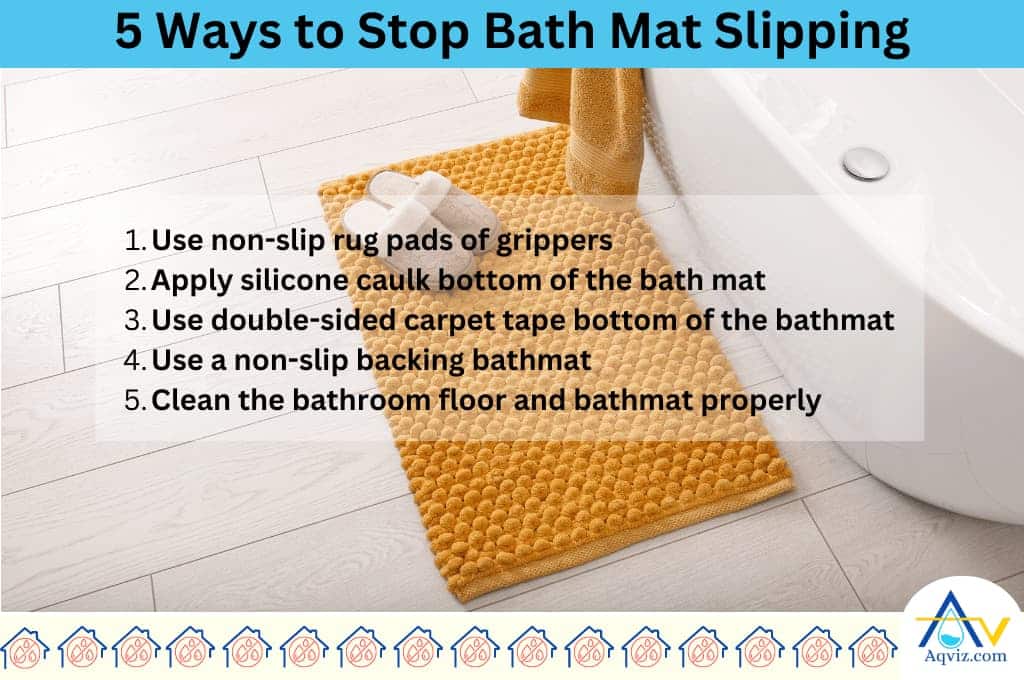
Handling bath mats safely extends beyond just the removal process. Implementing preventive tips can help you avoid slips and falls, making your bathroom a safer space overall. First, always ensure that your bath mat has a non-slip backing or grip pads beneath it. These features significantly reduce the risk of the mat sliding underfoot, especially on smooth or tiled surfaces. Replacing worn or damaged mats with newer, slip-resistant options is also a smart safety move.
Second, during removal or adjustment, never rush or force the mat, particularly if it feels stuck or slippery. Instead, use gentle, controlled movements, and if needed, apply warm water or a cleaning solution to loosen stubborn areas. Additionally, avoid standing on wet floors or mats for extended periods. Instead, dry the area thoroughly before stepping on it, and consider using non-slip bath mats or rugs in high-traffic or wet zones for added safety.
Finally, regular maintenance is key to safety. Clean your bath mats frequently to prevent mold and soap scum buildup, which can make surfaces more slippery. When drying your mats after cleaning, hang them in a well-ventilated area to ensure complete dryness, reducing the chance of mold and mildew growth. By incorporating these safety tips into your routine, you protect yourself and your loved ones from preventable bathroom accidents.
Post-Removal Maintenance and Proper Drying of Bath Mats to Prevent Mold and Mildew
After removing your bath mat, the focus shifts to proper maintenance and drying techniques to prevent mold, mildew, and unpleasant odors. First, thoroughly clean the area underneath the mat with a disinfectant or a mixture of vinegar and water, which effectively kills bacteria and mold spores. Use a scrub brush or sponge to remove any soap scum, dirt, or residue left behind. Allow the surface to dry completely—this is crucial, as damp conditions promote mold growth.
Next, dry your bath mat properly before reuse. Hang it in a warm, well-ventilated space or place it in direct sunlight, as UV rays help eliminate bacteria and mold spores. If the mat is machine washable, follow the manufacturer’s instructions for washing and drying. Use high heat in your dryer if the material permits, and ensure the mat is fully dry before placing it back on the floor. Proper drying not only extends the life of your bath mat but also maintains a hygienic environment in your bathroom.
Finally, establish a routine maintenance schedule. Clean and dry your bath mats at least once a week, especially in humid climates or if your bathroom tends to retain moisture. Regular inspection for signs of wear, such as fraying or curling, allows you to replace mats proactively before they become safety hazards. Investing time in these maintenance practices pays off by keeping your bathroom clean, safe, and free from mold-related health risks.
Conclusion
Maintaining safety and hygiene when handling bath mats is a simple yet essential part of a healthy bathroom routine. By understanding the importance of safe bath time practices, preparing your space beforehand, following a careful removal process, and implementing preventive safety tips, you can significantly reduce the risk of accidents. Additionally, proper post-removal maintenance—such as thorough cleaning and drying—ensures your bathroom remains mold-free and hygienic. Remember, a well-maintained bath area not only looks inviting but also offers peace of mind knowing that safety is a priority. So next time you need to remove or replace your bath mat, approach it with confidence and care—your safety and comfort depend on it.