


How to Wash a Dog’s Face Without Irritating Their Eyes: Tips for Safe Grooming
Grooming is an essential part of keeping your dog healthy, clean, and comfortable. Among all grooming routines, washing your dog’s face can be particularly tricky—it’s a delicate area where the risk of irritating their eyes is high. A gentle, well-informed approach not only prevents discomfort but also helps maintain their skin health and overall wellbeing. Whether your dog has long hair, facial folds, or simply tends to get dirty around the mouth and eyes, learning how to wash their face safely is a crucial skill every dog owner should master. In this article, we’ll explore the importance of gentle face washing, how to choose the right products, a step-by-step guide to safe cleaning, tips for preventing eye irritation, and ongoing maintenance for a happy, healthy face.
Understanding the Importance of Gentle Face Washing for Dogs
Your dog’s face is a sensitive area with thin skin and close proximity to their eyes, nose, and mouth. Regular but gentle cleaning helps remove dirt, debris, saliva, tear stains, and bacteria that can lead to infections or discomfort. Neglecting facial hygiene can contribute to issues like skin irritation, foul odors, or even more serious conditions like dermatitis or eye infections. That’s why understanding why gentle handling matters is foundational for any dog owner.
Using harsh soaps, vigorous scrubbing, or improper techniques can easily cause irritation or injuries around the eyes. Dogs often have a tendency to squirm or shake during grooming, which increases the risk of accidental scratches or water getting into their eyes. Therefore, adopting a gentle, careful approach protects their delicate skin and prevents unnecessary trauma. Plus, a calm and soothing grooming routine helps your dog associate face washing with comfort rather than stress, making future grooming sessions easier and more effective.
Another key aspect is that some breeds with facial folds or longer hair around their eyes, like Bulldogs or Shih Tzus, are more prone to dirt accumulation and infections. Regular gentle cleaning helps prevent these problems from escalating. Overall, the goal is to keep your dog’s face clean without compromising their eye health or comfort, emphasizing kindness and patience every step of the way.
Choosing the Right Cleaning Products for Your Dog’s Face
Selecting the appropriate grooming products is crucial for safe, irritation-free face washing. Not all dog shampoos or wipes are created equal, and some ingredients can cause allergic reactions or eye irritation if used improperly. The best practice is to opt for mild, hypoallergenic, and tear-free formulations designed specifically for canine skin and facial areas.
Look for products labeled as "tear-free," "hypoallergenic," or "gentle" to minimize the risk of irritation. Many pet brands offer facial cleansers formulated to be safe around the eyes, often containing soothing ingredients like aloe vera or chamomile. Avoid using human shampoos or soaps, as their pH balance and ingredients can be too harsh for a dog’s skin and eyes. Additionally, steer clear of products with artificial fragrances, dyes, or alcohol, which can cause allergic reactions or dry out delicate facial skin.
In some cases, water alone might suffice—especially if your dog’s face only needs light cleaning. For stubborn dirt or tear stains, using a damp cloth or specially formulated pet wipes can be both effective and gentle. If your dog has specific skin issues or sensitivities, consult your veterinarian for product recommendations tailored to your dog’s needs. Remember, the goal is to clean without causing discomfort, so always read labels carefully and choose products designed for canine use.
Step-by-Step Guide to Safely Washing Your Dog’s Face Without Irritating the Eyes
Washing your dog’s face safely requires a calm approach, patience, and the right technique. Here’s a simple, step-by-step guide to help you achieve a clean face without irritating their eyes:
-
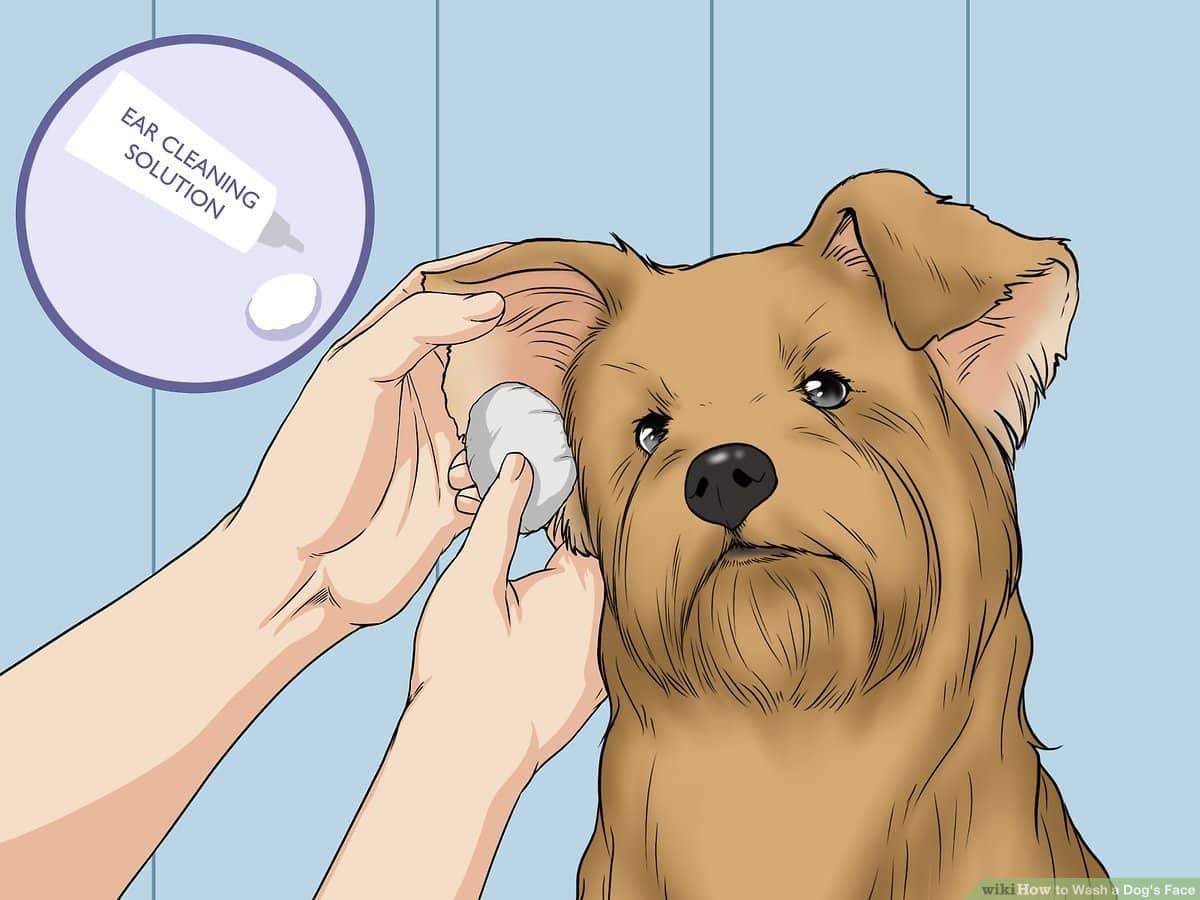
Gather Your Supplies: Have a bowl of lukewarm water, a gentle dog-specific cleanser (if needed), soft washcloths or cotton balls, and dry towels ready. Keep everything within arm’s reach to avoid leaving your dog unattended during the process.
-
Secure Your Dog and Create a Calm Environment: Choose a quiet space and gently secure your dog with a leash or in your lap. Speak softly, and use treats or praise to help them stay relaxed. Keeping their head steady reduces the risk of sudden movements.
-
Moisten the Facial Area: Dip a soft washcloth or cotton ball in lukewarm water, then gently squeeze out excess water. Avoid pouring water directly onto your dog’s face, especially near the eyes, to prevent accidental splashes or water entering their eyes.
-
Clean the Face Carefully: Gently wipe around the eyes, nose, mouth, and any dirty areas. Use a mild, pet-safe cleanser if necessary—apply it sparingly and avoid getting it too close to the eyes. Focus on cleaning the fur and skin, not scrubbing or applying excessive pressure.
-
Rinse and Dry: If you used a cleanser, dampen a clean cloth with plain water to remove any residue. Pat the face dry with a soft towel, avoiding rubbing. Pay special attention to the folds or creases where dirt might hide.
-
Reward and Comfort: After the cleaning, praise your dog and offer treats or cuddles. This positive reinforcement helps them associate face washing with a pleasant experience, easing future grooming sessions.
Always observe your dog’s reactions, and if they show signs of discomfort or irritation, stop immediately and consult your veterinarian for guidance.
Tips for Preventing Eye Discomfort During Facial Cleansing
Preventing eye irritation during face washing hinges on cautious technique and product choice. First, always keep your dog’s eyes closed gently when wiping around that area—using your fingers to hold the eyelids closed can help prevent soap or water from entering. Be sure to tilt the face slightly downward during cleaning to direct water and wipes away from the eyes.
Use soft, damp cloths or cotton balls rather than harsh scrub brushes or rough towels near sensitive areas. When applying cleansers, use only a small amount of product and avoid direct contact with the eye area. If your dog has tear stains or debris around the eyes, consider using specially formulated tear stain removers or wipes designed for sensitive skin.
In addition, be mindful of the timing and environment. Groom your dog in a well-lit, calm space to reduce stress and make precise movements easier. Always check the water temperature—lukewarm is ideal—since hot or cold water can cause discomfort or reflexive blinking, increasing the risk of splash entry into the eyes. Regularly inspecting the eye area for signs of irritation, redness, or discharge helps catch potential issues early, ensuring your grooming routine remains safe and comfortable.
Regular Maintenance and Preventative Care for a Clean and Comfortable Dog’s Face
Consistent, gentle maintenance is key to keeping your dog’s face clean and irritation-free in the long run. Incorporate facial cleaning into your regular grooming schedule—whether weekly or bi-weekly—depending on your dog’s breed, activity level, and susceptibility to dirt or tear stains. Regular brushing around the face also helps remove loose hairs and debris that can trap dirt or cause matting, making cleaning easier.
Preventive care extends beyond just washing; it includes monitoring for signs of skin infections, allergies, or irritation. Pay close attention to the area around the eyes for redness, swelling, or discharge, and consult your veterinarian if you notice any abnormalities. For breeds prone to tear staining, daily wiping with a gentle, pet-safe cloth can reduce staining and prevent bacterial buildup. Additionally, keeping your dog’s facial hair trimmed—especially around the eyes—can prevent debris accumulation and minimize the risk of irritation.
Maintaining good overall hygiene—regular ear cleaning, dental care, and bathing—complements facial hygiene and contributes to your dog’s overall comfort. Remember, patience and consistency are essential; establishing a positive grooming routine helps your dog feel secure and reduces stress. By prioritizing gentle, routine care, you ensure your furry friend’s face stays clean, healthy, and irritation-free, enhancing their happiness and wellbeing.
Conclusion
Washing your dog’s face without irritating their eyes is a vital aspect of grooming that requires care, patience, and the right techniques. From understanding the importance of gentle handling and selecting appropriate products to following a calm, step-by-step cleaning process, every owner can master safe facial hygiene practices. Preventing eye discomfort hinges on cautious movements, avoiding harsh products, and maintaining a calm environment. Regular maintenance and preventative care not only keep your dog looking good but also contribute significantly to their health and comfort over time.
A consistent, gentle grooming routine fosters a positive association with face washing, reducing stress and reinforcing trust between you and your furry friend. Remember, every dog is unique—what works for one may not work for another—so always tailor your approach to your pet’s specific needs. With patience and proper technique, you can ensure your dog’s face remains clean, healthy, and irritation-free, making grooming a safe and bonding experience for both of you.