


How to Safely Wash a Dog with a Medical Condition: Tips & Guidelines
Caring for a dog with a medical condition can be challenging, especially when it comes to grooming and bathing routines. While regular baths are essential for maintaining your dog’s hygiene, their specific health issues might require extra precautions to prevent discomfort or complications. Whether your dog has sensitive skin, allergies, skin infections, or a chronic condition like dermatitis or cushings disease, understanding how to bathe them safely is crucial. This article offers a comprehensive guide on how to wash a dog with a medical condition, covering everything from understanding their health needs to post-bath care, ensuring your furry friend stays healthy, comfortable, and clean without risking setbacks.
Understanding Your Dog’s Medical Condition and Its Impact on Bathing
Before you even turn on the water, it’s vital to fully understand your dog’s specific medical condition and how it might influence their bathing needs. Certain health issues, such as skin allergies, infections, or autoimmune diseases, can make the skin more sensitive or prone to irritation. For example, dogs with dermatitis may have open sores or inflamed skin that require gentle handling and specialized products. Conversely, dogs with hormonal imbalances like hypothyroidism or Cushing’s disease might have skin that is more fragile or prone to infections, requiring tailored bathing routines.
Consulting your veterinarian is the most important first step. Your vet can advise on safe bathing frequency, recommend suitable shampoos, and alert you to any precautions necessary during bathing. For instance, some medical conditions might contraindicate certain ingredients found in regular dog shampoos—such as fragrances, dyes, or harsh chemicals—due to the risk of allergic reactions or irritation. Additionally, consider whether your dog has any internal issues like joint problems or neurological deficits that might affect how they tolerate the bathing process. Understanding these factors helps you develop a safe, effective bathing routine tailored to your dog’s health.
Every medical condition affects your dog’s skin, coat, and overall comfort differently. Chronic conditions like seborrhea or autoimmune skin diseases may require medicated or special formulations, while acute issues like hotspots or infections might need targeted treatment alongside bathing. Recognizing signs of discomfort or distress during grooming—such as excessive scratching, yelping, or skin discoloration—can also guide you in adjusting your approach. Remember, bathing isn’t just about cleanliness; it’s a therapeutic process that should enhance your dog’s health, not compromise it.
Preparing the Bathing Environment and Necessary Supplies for Sensitive Skin
Creating a calm, safe, and well-equipped bathing environment plays a pivotal role in ensuring a positive experience for your dog with a medical condition. Choose a quiet space away from loud noises or distractions to minimize stress, and consider using a non-slip mat in the bathtub or sink to prevent slipping, which can be particularly important if your dog has mobility issues or joint problems. Maintaining a warm room temperature and ensuring the water is comfortably lukewarm (around 90°F to 100°F) will help prevent hypothermia or discomfort, especially since sensitive or compromised skin can be more susceptible to temperature extremes.
Gathering the right supplies beforehand is crucial. Use gentle, hypoallergenic, and medicated shampoos recommended by your veterinarian—avoid harsh soaps or regular shampoos with artificial fragrances that can aggravate skin issues. You might also need specialized products like oatmeal-based shampoos for soothing irritation, medicated rinses for infections, or moisturizers for dry skin. Other helpful tools include soft washcloths, non-abrasive brushes suited for sensitive skin, and towels for gentle drying. If your dog has trouble standing or prefers being held, a bathing sling or harness can provide additional support and stability throughout the process.
Proper preparation also involves protecting your dog’s eyes, ears, and mouth. Use a damp cloth to clean around sensitive areas gently, and consider applying ear protection or cotton balls (damped with vet-approved solutions) to keep water from entering the ears, especially if your dog is prone to ear infections. Additionally, plan the bathing routine in stages, allowing your dog to acclimate gradually—start with short sessions and reward with treats to create positive associations. Remember, patience and a calm environment are essential for dogs with medical conditions, reducing their anxiety and helping them tolerate the bathing process more comfortably.
Step-by-Step Guide to Safely Washing a Dog with a Medical Condition
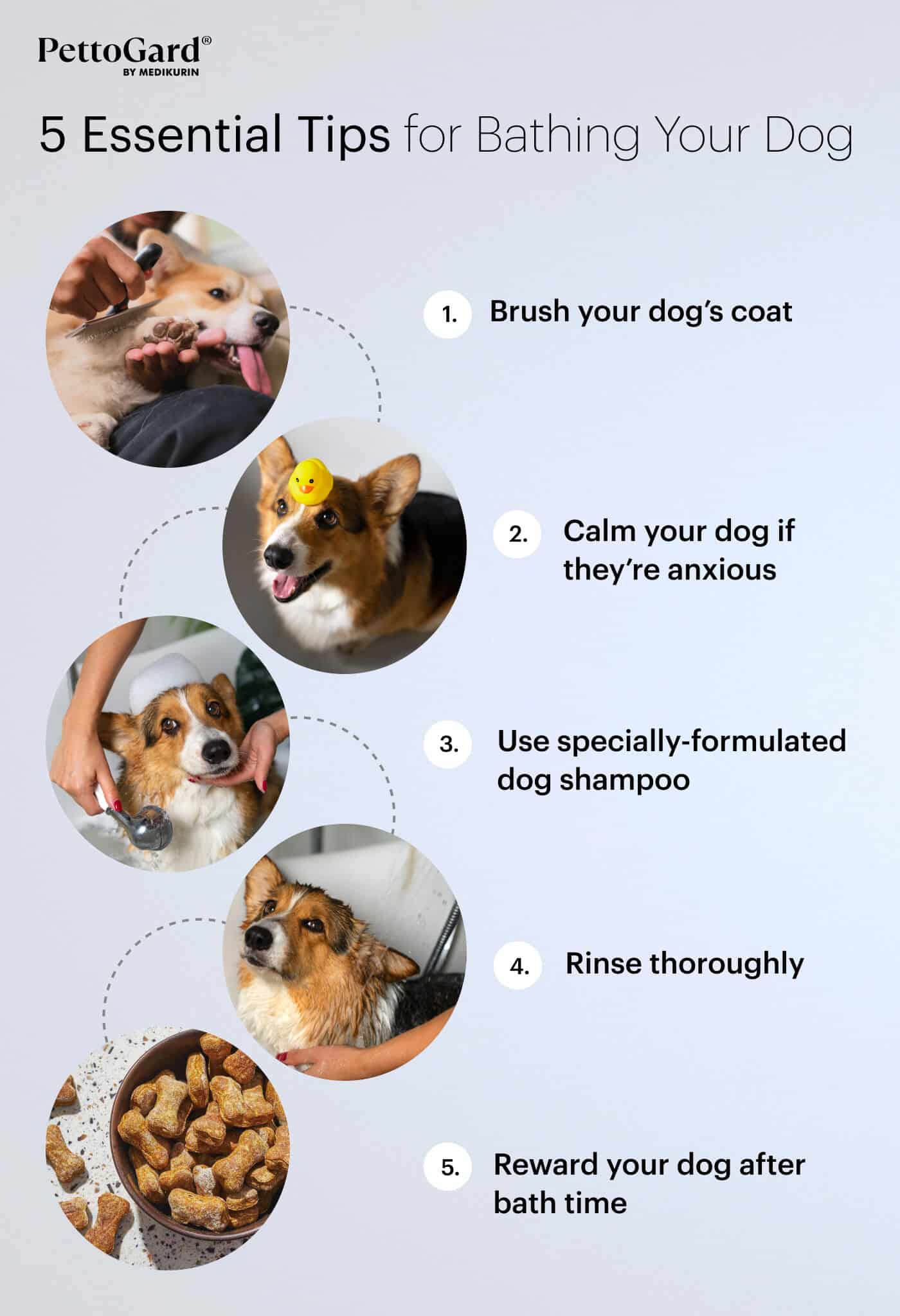
A meticulous, gentle approach is key when bathing a dog with a medical condition. Begin by gently brushing your dog to remove loose hair and prevent mats, which can trap dirt and irritants or cause discomfort during washing. Use a soft-bristled brush suited for sensitive skin, taking care to avoid areas with open sores or inflamed skin unless directed otherwise by your vet. Before getting the dog wet, make sure all supplies are within reach so you can focus on the bathing without unnecessary interruptions, which can cause stress or accidental injury.
Start the bathing process by wetting your dog’s coat gradually, avoiding the head and face initially to prevent water from entering sensitive areas. Use a gentle spray or a cup with warm water, being careful to keep the water flow gentle and controlled. Apply the recommended medicated or hypoallergenic shampoo in accordance with your veterinarian’s instructions, lathering softly over the body while avoiding the face and ears. For dogs with skin infections, follow the vet’s advice about leaving medicated shampoo on for the prescribed time before rinsing thoroughly to ensure maximum effectiveness without causing irritation.
When rinsing, ensure all shampoo residues are completely washed out, as leftover soap can cause dryness and irritation. After rinsing, you might need to apply a medicated rinse or conditioner if suggested by your vet—be sure to follow their guidance precisely. Gently dry your dog with a towel, patting rather than rubbing, especially in sensitive areas or where skin issues are present. For dogs with trouble standing, consider wrapping them in a dry towel or using a hairdryer on a low, cool setting to finish the drying process safely. Throughout the entire process, monitor your dog closely for signs of discomfort, such as whining, scratching, or skin redness, and pause the bath if necessary to prevent stress or injury.
Post-Bath Care and Monitoring for Signs of Discomfort or Allergic Reactions
After the bath, your dog’s skin may be sensitive or more prone to irritation, so gentle post-bath care is essential. Carefully inspect your dog’s skin, coat, and ears for any signs of redness, swelling, open sores, or unusual odors. If you notice any of these issues, contact your veterinarian promptly to adjust the treatment plan or recommend additional care. Be attentive to signs of discomfort such as scratching, licking, or yelping, which may indicate ongoing irritation or an allergic reaction to the shampoo or other products used during bathing.
Drying your dog thoroughly is critical, especially for those with skin conditions, as dampness can lead to fungal or bacterial infections. Pat the coat gently with a soft towel, avoiding vigorous rubbing that may cause irritation, especially on delicate skin or open wounds. If your dog tolerates it, using a cool or low-heat setting on a hairdryer can help speed up the process, but always keep the dryer at a safe distance and continuously monitor your dog’s response. During this time, observe your dog for any signs of distress or discomfort, and provide reassurance and comfort to help them relax post-bath.
Monitoring doesn’t end once your dog is dry. Keep an eye on their behavior and physical condition for the next 24-48 hours. Look for signs of allergic reactions such as excessive itching, swelling, hives, or skin discoloration. Also, check for any signs of systemic discomfort like lethargy, vomiting, or changes in appetite, which may require veterinary attention. If your dog has a history of skin infections, monitor the affected areas closely for any recurrence or worsening. Regularly inspecting their skin and coat ensures that you catch potential issues early and can provide your dog with ongoing support for their health and comfort.
Tips for Maintaining Skin Health and Preventing Future Issues Post-Bath
Maintaining your dog’s skin health after a bath involves a combination of proper skincare routines and environmental management. Use veterinarian-recommended moisturizers or medicated topical treatments if prescribed, as these can help restore the skin’s barrier and prevent dryness or irritation. Regularly brushing your dog with gentle, appropriate tools can stimulate natural oils, distribute them evenly, and remove loose debris, all of which support healthy skin and coat. Avoid over-bathing, as excessive washing can strip natural oils, leading to dryness and increased sensitivity, so follow your vet’s guidance on frequency.
Diet plays a crucial role in skin health; ensuring your dog receives a balanced diet rich in omega-3 and omega-6 fatty acids can promote a shiny coat and reduce inflammation. Supplements like fish oil or specific skin-support formulas might be recommended by your veterinarian, especially for dogs with chronic skin issues. Additionally, maintaining a clean environment—regularly washing bedding, avoiding exposure to potential allergens, and managing environmental irritants—can significantly reduce the risk of future skin problems or allergic reactions. Good hygiene practices, combined with proper nutrition, create a healthy foundation for your dog’s skin and overall well-being.
Finally, establish a consistent grooming routine tailored to your dog’s specific needs, which includes regular bathing, skin inspections, and prompt treatment of any emerging issues. Keep detailed records of what products work best and note any reactions or sensitivities to particular shampoos or treatments. Educate yourself about potential triggers such as pollen, dust mites, or certain cleaning products that could exacerbate skin conditions. Prevention is always better than cure, and with attentive care, you can help your dog maintain healthy, problem-free skin long-term.
Conclusion
Bathing a dog with a medical condition requires patience, knowledge, and a gentle approach. Understanding your dog’s unique health needs and working closely with your veterinarian ensures that you choose the right products and techniques to keep them comfortable and safe. Preparing a suitable environment and gathering the necessary supplies helps minimize stress and risk during the bathing process. Following a careful, step-by-step routine can prevent irritation and promote healing, while vigilant post-bath monitoring allows you to catch any issues early.
Maintaining skin health post-bath involves ongoing care, proper nutrition, and environmental management, all of which contribute to your dog’s overall well-being. Remember, every dog is different, and what works for one might not work for another—adapt your approach based on your pet’s specific needs and responses. By prioritizing your dog’s health and comfort, you help ensure that bathing remains a safe, positive experience that supports their quality of life. If in doubt, always consult your veterinarian to tailor a grooming plan that aligns perfectly with your dog’s medical condition.