


How to Wash Your Dog Safely Without Causing Ear Infections
Bathing your dog is an essential part of pet care, helping maintain their hygiene, coat health, and overall well-being. However, it’s equally important to do it safely—especially when it comes to protecting their ears. Dogs are prone to ear infections, which can be caused or worsened by water and soap entering the ear canal during baths. This comprehensive guide will walk you through the best practices to wash your dog effectively while preventing ear infections. From preparing the bathing area to post-bath ear care, each step is designed to keep your furry friend happy, healthy, and infection-free.
Preparing Your Dog and Bathing Area for a Safe and Effective Wash
Getting ready before the bath can make all the difference in preventing accidents and ensuring a smooth grooming experience. First, choose a suitable bathing spot—whether it’s a bathtub, a walk-in shower, or an outdoor setup—ensuring it’s clean, non-slip, and comfortable. A non-slip mat is highly recommended to prevent your dog from slipping, which can cause stress or injury. It’s also helpful to gather all necessary supplies beforehand: dog shampoo, towels, cotton balls or soft cloths, a gentle ear cleaner, and a squeeze bottle or cup for rinsing.
Before the bath, brush your dog thoroughly to remove loose hair, mats, and dirt. This not only makes the bathing process more effective but also reduces the risk of tangles and discomfort. Additionally, check your dog’s ears, eyes, and skin for any signs of irritation or infection. If you notice any issues, consult your veterinarian before proceeding with a bath. Temperature control is crucial—use lukewarm water (around 90-100°F) to keep your dog comfortable and avoid water shock or burns. Remember, a calm and relaxed dog is easier to bathe safely; consider calming techniques or treats to help your pup feel secure.
Creating a positive association with bath time can help reduce anxiety. Use praise and gentle handling to make the experience enjoyable. If your dog is particularly anxious, consider doing short, frequent baths rather than long sessions. Safety and comfort during preparation set the foundation for a trouble-free wash, minimizing stress and the risk of ear problems caused by mishandling or hurried procedures.
Using Gentle, Ear-Friendly Dog Shampoos and Cleaning Products
The choice of shampoo is vital for a safe and effective dog bath, especially when aiming to prevent ear infections. Look for gentle, hypoallergenic, and tear-free formulas designed specifically for dogs. Avoid harsh chemicals, artificial fragrances, and dyes that can irritate your dog’s skin or cause allergic reactions. Many brands now offer shampoos formulated for sensitive skin or specific coat types, which can reduce itching, redness, and the risk of skin issues that often coincide with ear problems.
In addition to dog-specific shampoos, consider using ear-cleaning products that are designed to be safe if accidentally introduced to the ear canal. These products often contain ingredients like witch hazel or aloe that soothe the skin and help maintain a healthy ear environment. Never use human shampoos or cleaning products on your dog, as they can be too harsh and may disrupt the natural balance of the ear canal, increasing the risk of infections.
When applying shampoo, be gentle and focus on cleaning the coat without excessive scrubbing. Use a soft cloth or sponge for delicate areas like the face, and avoid getting soap deep into the ears. If your dog has particular skin or ear sensitivities, consult your veterinarian for recommendations on the best products. Remember, the goal is to clean thoroughly while minimizing any risk of irritation or water entering the ear canal—safer, gentler formulations are your best choice for this purpose.
Proper Techniques for Washing Your Dog to Prevent Water and Soap from Entering the Ears
Proper bathing technique is key to keeping water and soap out of your dog’s ears and preventing infections. Start by protecting your dog’s ears with cotton balls—gently place them at the opening of each ear to act as a barrier. Be careful not to push them in too deeply; just enough to block excess water from entering. This simple step can significantly reduce the likelihood of water-induced ear infections.
When washing your dog, hold their head slightly elevated and avoid pouring water directly over the ears. Use a damp cloth or sponge for the head and face area, carefully avoiding the ear openings. When rinsing the body, use a handheld showerhead or a cup to gently pour water down the back and sides—this allows better control and prevents water from splashing into the ears. Keep the water pressure gentle; high-pressure streams can cause stress and force water into the ear canal.
During the wash, remember to communicate calmly with your dog, offering treats and praise to keep them relaxed. Always keep an eye on their reactions, and if they seem uncomfortable, pause and reassure them. After rinsing, gently squeeze out excess water from the coat and remove the cotton balls from their ears carefully. Proper technique, patience, and protective measures are your best tools to ensure a safe bath without causing water or soap to enter the ears.
Drying and Ear Care Practices to Keep Your Dog’s Ears Healthy Post-Bath
Thorough drying after a bath is essential to prevent moisture buildup in your dog’s ears, which can promote bacterial and yeast growth—common culprits of ear infections. Use a soft, clean towel to gently pat the ears and the rest of the body dry. For dogs with thicker coats, a blow dryer on a low, cool setting can be used, but keep the nozzle at a safe distance and avoid direct air entry into the ear canal to prevent irritation. Always monitor your dog’s comfort level and stop if they become distressed.
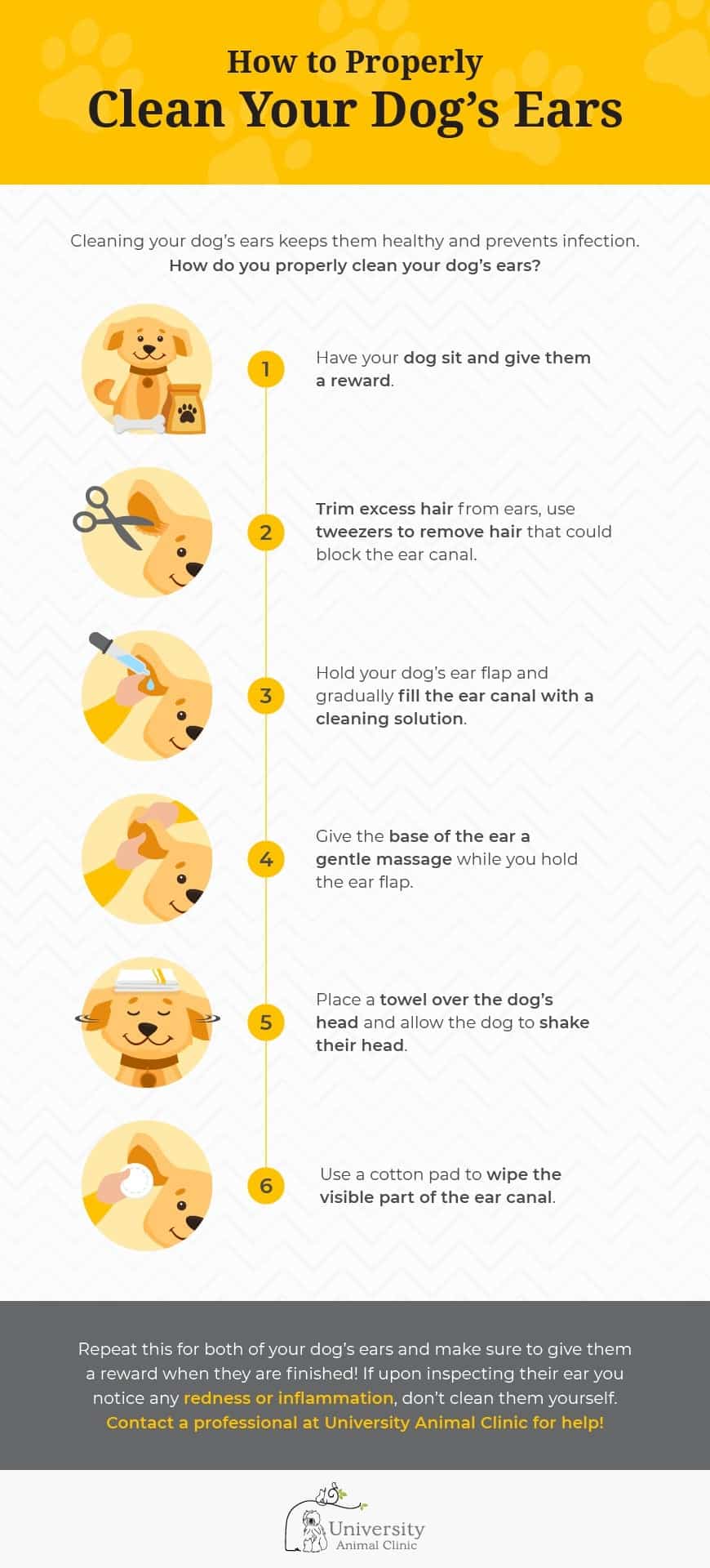
In addition to towel drying, it’s helpful to use a veterinarian-recommended ear drying solution or a gentle, specially formulated ear-cleaner. Apply a small amount into each ear following your vet’s instructions, then gently massage the base of the ear to loosen any residual moisture or debris. Allow your dog to shake their head naturally to help expel excess fluid, but keep a towel handy to catch any water that escapes. Never insert cotton swabs or objects deep into the ear canal, as this can cause damage or push debris further inside, increasing infection risk.
Post-bath ear care isn’t just about drying; it’s also about maintaining a healthy environment. Regularly check the ears for signs of redness, swelling, foul odor, or discharge, which might indicate infection. If you notice any abnormalities, consult your veterinarian promptly. Consistent, gentle ear drying and cleaning routines will help maintain your dog’s ear health and reduce the chances of infections developing after baths.
Tips for Regular Ear Inspection and Maintenance to Avoid Infections
Prevention is always better than cure when it comes to ear infections, especially for dogs prone to ear issues. Incorporate regular ear inspections into your pet’s grooming routine—at least once a week—to catch early signs of trouble. Use a good light or magnifying glass to examine the ear flap and canal for redness, swelling, wax buildup, or foul odors. Early detection of issues like mites, infections, or foreign objects can save your dog from discomfort and costly vet visits.
Cleaning your dog’s ears regularly with a vet-approved ear cleaner can help maintain optimal health. Use a few drops of the solution in each ear, and gently massage the base of the ear to distribute the cleaner. Then, allow your dog to shake their head to loosen debris, and wipe away excess moisture and wax with a soft cloth or cotton ball. Do not over-clean, as excessive cleaning can irritate the skin and disrupt the natural balance of the ear environment.
If your dog has a history of ear infections or allergy-related ear problems, discuss a tailored maintenance plan with your veterinarian. Watch for warning signs such as scratching, head shaking, or tilting, which may indicate discomfort or infection. Consistent ear care, combined with attentive inspection, plays a crucial role in preventing infections and maintaining your dog’s ear health for years to come.
Conclusion
Properly bathing your dog while safeguarding their ears requires preparation, gentle techniques, and ongoing care. By choosing the right products, protecting the ears during washing, and ensuring thorough drying, you can significantly reduce the risk of ear infections. Regular inspection and maintenance further promote ear health, preventing issues before they develop. Remember, patience and gentle handling are your best tools, making bath time a positive experience for both you and your furry friend. Taking these steps not only keeps your dog clean but also supports their overall health and happiness. Stay vigilant, stay gentle, and enjoy many happy, healthy baths ahead!