


How to Bathe Your Dog Before Applying Topical Treatments: A Step-by-Step Guide
When it comes to caring for your furry friend, ensuring they are clean and healthy is a top priority—especially when it comes to preventing or treating skin issues like fleas, ticks, or dermatitis. Applying topical treatments such as medicated shampoos, spot-on flea preventatives, or other skin medications works best when your dog’s skin and coat are in good condition. Proper bathing before topical treatment not only enhances the effectiveness of these products but also keeps your dog comfortable and happy. In this guide, we’ll walk you through the essential steps to safely bathe your dog before applying topical treatments, ensuring a smooth process from start to finish.
Preparing for Your Dog’s Bath and Topical Treatment Application
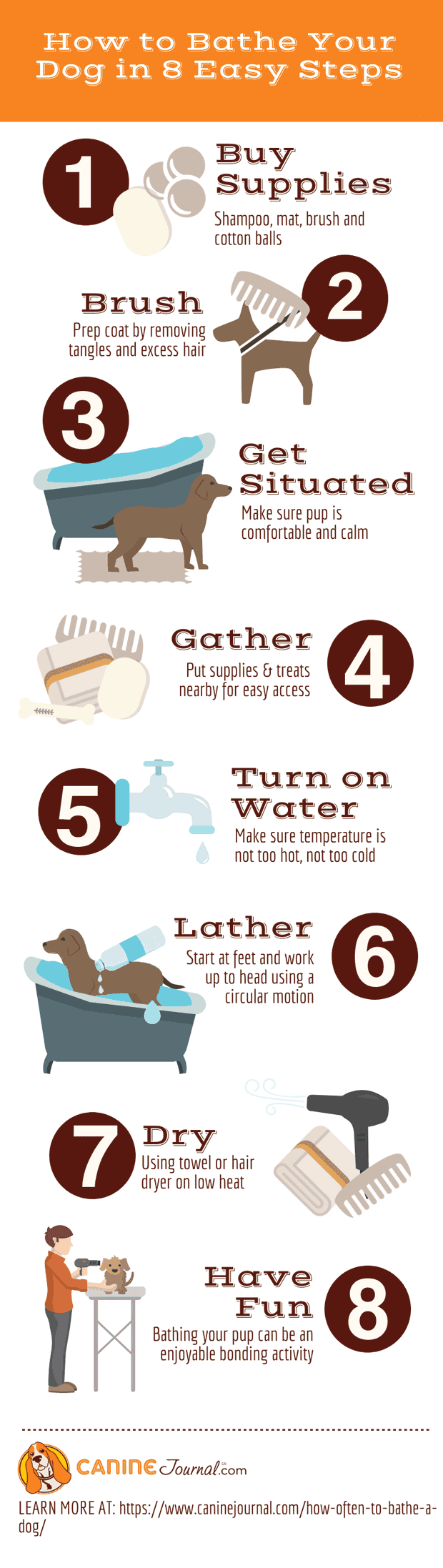
Getting ready for your dog’s bath is an important step that sets the stage for a successful cleaning and treatment process. It’s best to plan your session on a day when your dog is relaxed and calm, avoiding stressful times or when they’re overly energetic. Prepare all your supplies in advance—this includes the shampoo, towels, treats, and the topical treatment itself—so you won’t need to leave your dog unattended once the process begins. Creating a calming environment by speaking in soothing tones and offering gentle petting can also help ease your dog’s anxiety, making the bathing process smoother and more enjoyable for both of you.
Another key aspect of preparation involves understanding your dog’s specific needs. For example, dogs with sensitive skin or allergies require hypoallergenic or veterinarian-recommended shampoos. Older dogs or those with mobility issues might need extra support or non-slip mats to prevent slipping during the bath. If your dog has a history of skin issues or infections, consulting your veterinarian beforehand can help guide the type of topical treatment and bathing technique most suitable for their condition. Proper preparation helps reduce the stress and potential mishaps that can happen during bathing and treatment application.
Finally, safety is paramount during this process. Always supervise your dog around water, and never leave them unattended in the bath. Keep a close eye for signs of distress—such as excessive shaking, vocalizing, or trying to escape—and be ready to comfort or pause if needed. Having a plan in place for handling any emergencies (like a sudden slip or allergic reaction) ensures both your and your dog’s safety. Good preparation not only makes the bathing routine more effective but also cultivates a positive experience that can foster trust and cooperation in future grooming sessions.
Selecting the Right Dog Shampoo and Bathing Supplies
Choosing the appropriate shampoo and bathing supplies is crucial to ensure your dog’s skin remains healthy and that the topical treatment is as effective as possible. The first step is to select a shampoo tailored to your dog’s specific skin type and health condition. For dogs with sensitive skin, opt for gentle, fragrance-free, and hypoallergenic shampoos. If your dog has flea or tick problems, medicated shampoos containing ingredients like pyrethrins or selamectin can be beneficial but should be used as directed by your veterinarian. Avoid human shampoos, as they can disrupt your dog’s skin pH balance, leading to irritation or dryness.
In addition to shampoo, gather all necessary bathing supplies beforehand, including non-slip mats (to prevent slipping), soft washcloths, brushes, towels, and a cup for rinsing. Using a handheld showerhead can make rinsing easier and more thorough, especially for larger or long-haired breeds. Ensure your supplies are clean to prevent the spread of bacteria or parasites. Some pet owners find that using a pre-wash brush or grooming gloves helps loosen dirt and loose hair before applying shampoo, making the bathing process more efficient and less stressful for the dog.
Lastly, consider incorporating soothing products into your bathing routine if your dog’s skin is prone to irritation or dryness. Coconut oil rinses or conditioners formulated for dogs can help moisturize and protect their skin. Always check labels and consult your veterinarian if you’re unsure about which products are safe or effective for your particular dog. Proper selection of bathing supplies ensures a thorough cleanse, minimizes skin irritation, and prepares your dog’s coat perfectly for the subsequent application of topical treatments.
Step-by-Step Guide to Safely Bathing Your Dog Before Treatment
Now that you are prepared with the right supplies and environment, it’s time to dive into the bathing process. Start by gently placing your dog in the bath or bathing area, and use treats or toys to keep them calm and focused. Wet your dog’s coat thoroughly with lukewarm water—never hot, as it can burn their skin or cause discomfort. Use your hand or a gentle spray to wet the entire body, paying special attention to areas where topical treatments will be applied, such as the back, neck, or behind the ears.
Apply the shampoo in a gentle, massaging motion, working from the neck downward and avoiding the face unless the product is specifically safe for that area. Be cautious to avoid getting shampoo into your dog’s eyes, ears, or mouth. If your dog tends to be anxious, speaking softly or singing can help keep them relaxed. Follow the instructions on the shampoo bottle regarding how long to leave the product on—usually a few minutes—to maximize its cleansing properties. During this time, use a damp washcloth to clean the face gently if needed.
Rinse your dog thoroughly with lukewarm water, ensuring all shampoo residue is washed away. Leftover shampoo can cause irritation or itchiness, which might interfere with the effectiveness of your topical treatment. Once rinsed, gently squeeze excess water from the coat and proceed to dry your dog carefully. Use a soft towel to pat dry, and consider using a blow dryer on a low, cool setting if your dog tolerates it—this can help remove excess moisture, especially in long-haired breeds. Proper rinsing and drying are essential steps to keep your dog’s skin healthy and ready for the topical application.
Ensuring Proper Drying and Skin Check After the Bath
Thoroughly drying your dog after the bath is a critical step that influences their comfort and the success of topical treatment application. Damp fur can lead to skin irritation, fungal infections, or even trigger cold-related illnesses in some breeds. Use a soft, absorbent towel to gently pat and dry your dog, being careful around sensitive areas such as the ears, eyes, and genitals. For dogs with thick or long coats, a blow dryer on a low, cool setting can help speed up the drying process, but always keep the dryer moving and avoid overheating the skin.
While drying, take the opportunity to perform a quick skin check. Look for signs of redness, inflammation, rashes, bumps, or any unusual skin lesions. Check for parasites like fleas or ticks, especially in the coat’s base or hidden areas. If you notice anything concerning, consult your veterinarian before proceeding with the topical treatment. Regular skin checks are an essential part of your dog’s health routine and can help catch issues early, preventing more serious problems down the line.
Ensure that your dog’s skin is completely dry before applying any topical medication, as moisture can dilute or interfere with the product’s absorption. Pay particular attention to folds of skin, ears, and paws, which tend to trap moisture and debris. For dogs with skin conditions that require frequent bathing, establishing a routine that includes thorough drying and skin examinations creates a foundation of good hygiene and health. A clean, dry, and well-inspected skin surface provides the ideal canvas for effective topical treatment and promotes overall skin health.
Applying Topical Treatments Effectively Post-Bath for Optimal Results
Once your dog is dry and your inspection is complete, it’s time to apply the topical treatment. Follow the instructions provided by your veterinarian or on the medication packaging carefully. Typically, spot-on treatments are applied directly to the skin at specific points—such as the back of the neck, between the shoulder blades, or along the spine—where your dog cannot easily lick or rub off the product. Proper application ensures the medication spreads evenly and remains effective for the intended duration.
Before applying, part the fur at the designated site to expose the skin fully. If your dog has a thick coat, you might need to part the fur in several spots to ensure thorough coverage. Use your fingers or the applicator as instructed to place the medication directly onto the skin, avoiding contact with your own skin or eyes. After applying, gently massage the area to encourage absorption and distribution of the medication. It’s also helpful to keep your dog from licking the treated area for the period recommended by your veterinarian, often 24 to 48 hours, to maximize the treatment’s efficacy.
To ensure the best results, monitor your dog over the following days for any adverse reactions or signs of irritation, such as redness, swelling, or excessive scratching. Combining proper application with ongoing grooming and skin health checks can enhance the effectiveness of topical treatments and contribute significantly to your dog’s overall well-being. Remember, regular communication with your veterinarian can help fine-tune your approach and address any concerns promptly, making your dog’s health and happiness a shared priority.
In Conclusion
Bathing your dog before applying topical treatments is a vital part of effective pet care that requires preparation, the right products, and gentle technique. By selecting suitable shampoos tailored to your dog’s skin needs, preparing calmly and confidently, and executing a thorough yet gentle bath, you set a strong foundation for the treatment to work optimally. Post-bath drying and skin checks ensure your dog remains comfortable and free of irritation, while careful application of topical medications maximizes their benefits.
Remember, the beauty of this routine lies in consistency and patience—taking the time to do it right pays off with a healthier, happier pup. Regularly consult your veterinarian for personalized advice tailored to your dog’s specific health conditions and grooming needs. With proper care and attention, you can keep your furry friend’s skin healthy, free from pests, and feeling their best. Happy bathing!