


How to Bathe Your Dog Using Minimal Water: Easy Tips for a Fresh, Clean Pet
Giving your dog a bath is an essential part of pet care, keeping them healthy, smelling fresh, and feeling comfortable. However, traditional bathing methods can sometimes involve a lot of water—something that may not always be practical, eco-friendly, or convenient, especially for busy pet owners or those living in areas with water restrictions. The good news is, you don’t always need gallons of water to clean your furry friend effectively. With the right techniques, products, and preparation, you can bathe your dog using minimal water while still ensuring they are thoroughly cleaned and comfortable.
In this article, we’ll explore practical tips for bathing your dog efficiently with less water, including how to prepare your pet and set up your space, select water-saving grooming products, employ effective cleaning techniques, explore waterless grooming options, and create a stress-free experience for your dog. Whether you’re dealing with a small indoor bath or looking to reduce water use for environmental reasons, these insights will help you keep your dog fresh and happy without excess water consumption.
Preparing Your Dog and Setting Up the Bathing Area for Minimal Water Use
Proper preparation is the foundation of a successful water-efficient bath. Start by gathering all necessary supplies ahead of time—this includes grooming brushes, waterless shampoos, towels, and any accessories you might need. This preparation minimizes the need to scramble during the bath, reducing the chances of overusing water or making the process stressful for your dog.
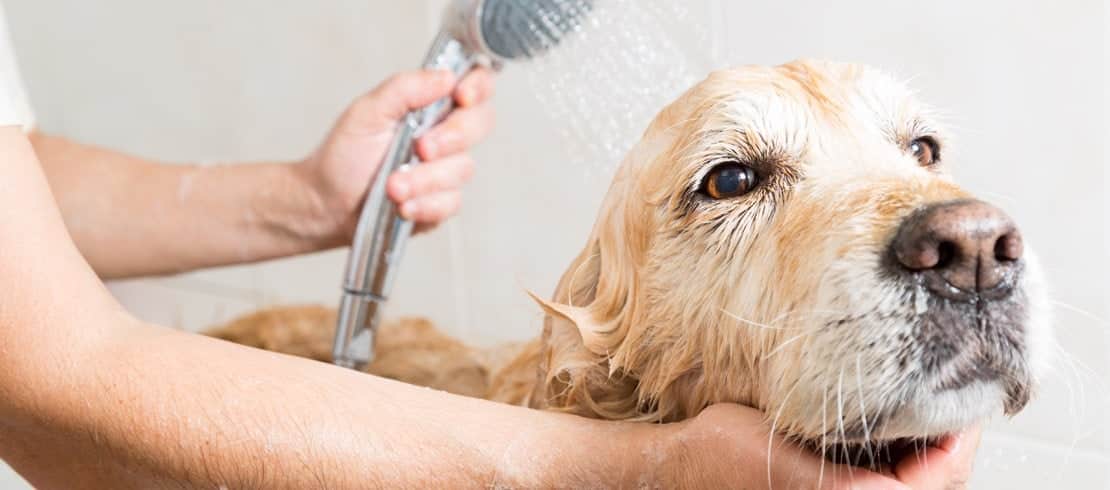
Next, choose the right spot for bathing your dog. Ideally, use a small, non-slip basin, a utility sink, or a shower stall with a removable shower head. These setups help control water flow and prevent waste. If you’re using a larger tub or outdoor space, consider using a handheld sprayer with a shut-off valve to control water flow precisely. Before starting, bring your dog to the bathing area and give them time to get comfortable with the environment—use treats and calm words to reduce anxiety.
Temperature control is crucial—use warm water that’s comfortable and soothing for your dog, avoiding hot or cold extremes. While minimal water methods focus on conserving water, always prioritize your dog’s comfort and safety. Also, consider placing towels or mats under your pet to prevent slipping and to contain any water runoff, which can be reused or disposed of responsibly afterward. Proper setup and gentle handling create a more relaxed atmosphere, making the bathing process more efficient and less stressful for both you and your dog.
Choosing Water-Efficient Bathing Products for Dogs
When aiming to minimize water use during your dog’s bath, selecting the right grooming products is essential. Look for waterless shampoos or dry bath powders formulated specifically for dogs. These products can effectively eliminate odors, dirt, and excess oils without the need for rinsing, making them an excellent choice for quick, water-saving grooming sessions.
In addition to waterless options, consider eco-friendly shampoos that are concentrated and require only a small amount per use. Mild, hypoallergenic formulas are especially beneficial for sensitive skin or dogs prone to allergies. Using a high-quality, concentrated product means less product is needed, which not only conserves resources but also reduces the amount of water required for rinsing—since you may need less water to wash out a smaller quantity of shampoo.
Also, choose grooming tools that maximize cleaning efficiency with minimal water. Soft-bristled brushes and grooming wipes can help loosen dirt and debris before a bath or waterless cleaning, reducing the need for extensive rinsing. By pairing minimal water techniques with the right products, you can keep your dog clean, healthy, and smelling fresh without overloading your water supply.
Techniques for Effectively Cleaning Your Dog with Limited Water
Even with minimal water, thorough cleaning is achievable by adopting specific techniques. Start by dry brushing your dog to remove loose fur, dirt, and debris. This step significantly reduces the amount of water needed later because it prevents dirt from penetrating deep into the coat and skin. Use a gentle grooming brush suited to your dog’s fur type—this makes the cleaning process more effective and comfortable.
If using waterless shampoos or foam-based cleaners, apply the product directly to your dog’s coat, focusing on areas that tend to get dirty or smelly, such as paws, underarms, and around the face. Work the product into the fur using your hands or a grooming mitt, and wipe away excess with a damp cloth or towel. For stubborn spots, you can use a damp sponge or microfiber cloth to gently scrub without requiring rinsing. This method ensures your dog’s coat stays clean without the need for large amounts of water.
When rinsing is necessary, use a damp cloth or sponge to wipe down your dog’s coat, removing dirt and soap residue. This technique conserves water while still providing a level of cleanliness comparable to traditional bathing. Remember to be gentle, avoid getting water in your pet’s ears and eyes, and reward your dog with praise or treats to make the process positive and stress-free. With patience and the right techniques, you can achieve a fresh, clean dog with minimal water use.
Dry Bathing and Waterless Grooming Options for Dogs
Dry bathing and waterless grooming are excellent alternatives for maintaining your dog’s cleanliness between traditional baths or when water use needs to be minimized. These methods often involve using specially formulated sprays, powders, wipes, or grooming mitts designed to absorb dirt and oils without rinsing. They’re particularly useful for small dogs, older pets, or animals with skin conditions that make frequent water baths uncomfortable.
Dry shampoos and waterless foam sprays are easy to apply—simply massage into your dog’s coat, paying attention to areas prone to odors or dirt buildup. After application, brush or wipe away the excess product with a clean towel or grooming mitt. These products can quickly refresh your dog’s coat, reduce odor, and remove loose fur without the need for water, saving both time and resources. They’re also handy for outdoor adventures or when a quick clean-up is needed.
Grooming wipes and pads are another effective option, especially for cleaning paws, face, and sensitive areas. They’re convenient, portable, and often infused with gentle cleansers and conditioners, making them perfect for on-the-go grooming or quick touch-ups. Regular use of these waterless grooming tools can help extend the time between full baths and reduce water consumption while keeping your dog looking and feeling fresh.
Tips for Ensuring a Comfortable and Stress-Free Bathing Experience
A positive bathing experience is vital for your dog’s health and well-being, especially when using minimal water methods that might feel unfamiliar. Start by creating a calm environment—speak softly, use treats, and keep your tone reassuring from start to finish. Familiarize your dog with the bathing area beforehand, perhaps by letting them explore the space and associating it with positive experiences.
Timing is also key; choose a time when your dog is relaxed and not overly energetic or anxious. Short, frequent sessions are often better than long, intimidating baths. Use gentle handling, avoid rushing, and be patient—this helps your dog stay calm and cooperative. Reward good behavior with treats, praise, and gentle petting to reinforce a positive association with the grooming process.
Finally, pay attention to your dog’s comfort throughout the bath. Ensure the water temperature is suitable, and use non-slip mats to prevent slipping and anxiety. If your dog shows signs of stress or discomfort, pause and try again later. Maintaining a calm, gentle approach turns bathing into a bonding experience rather than a chore, encouraging your dog to feel safe and relaxed during future water-sparing grooming sessions.
In Conclusion
Bathing your dog with minimal water is not only possible but also environmentally friendly and convenient when done thoughtfully. By preparing your space properly, choosing appropriate eco-friendly grooming products, employing effective cleaning techniques, exploring waterless options, and creating a positive experience, you can keep your dog fresh, comfortable, and healthy without excessive water use. Remember, patience and gentle handling go a long way in making the process enjoyable for your furry friend. Start incorporating these tips today and enjoy a cleaner, greener way to groom your beloved pet!