


How to Safely Wash Your Small or Toy Breed Dog: Tips for a Stress-Free Bath
Giving your small or toy breed dog a bath might seem like a simple task, but it can sometimes turn into a stressful experience—for both you and your furry friend. Small dogs are often more delicate and sensitive to grooming procedures, and their tiny size can make handling them a little more challenging. The good news is that with a little preparation, patience, and the right approach, you can turn bath time into a safe, comfortable, and even enjoyable routine. This guide will walk you through everything you need to know—from prepping your pup to choosing the right products, to drying and maintaining their coat—so you can keep your tiny companion happy and healthy.
Preparing Your Small or Toy Breed Dog for Bathing
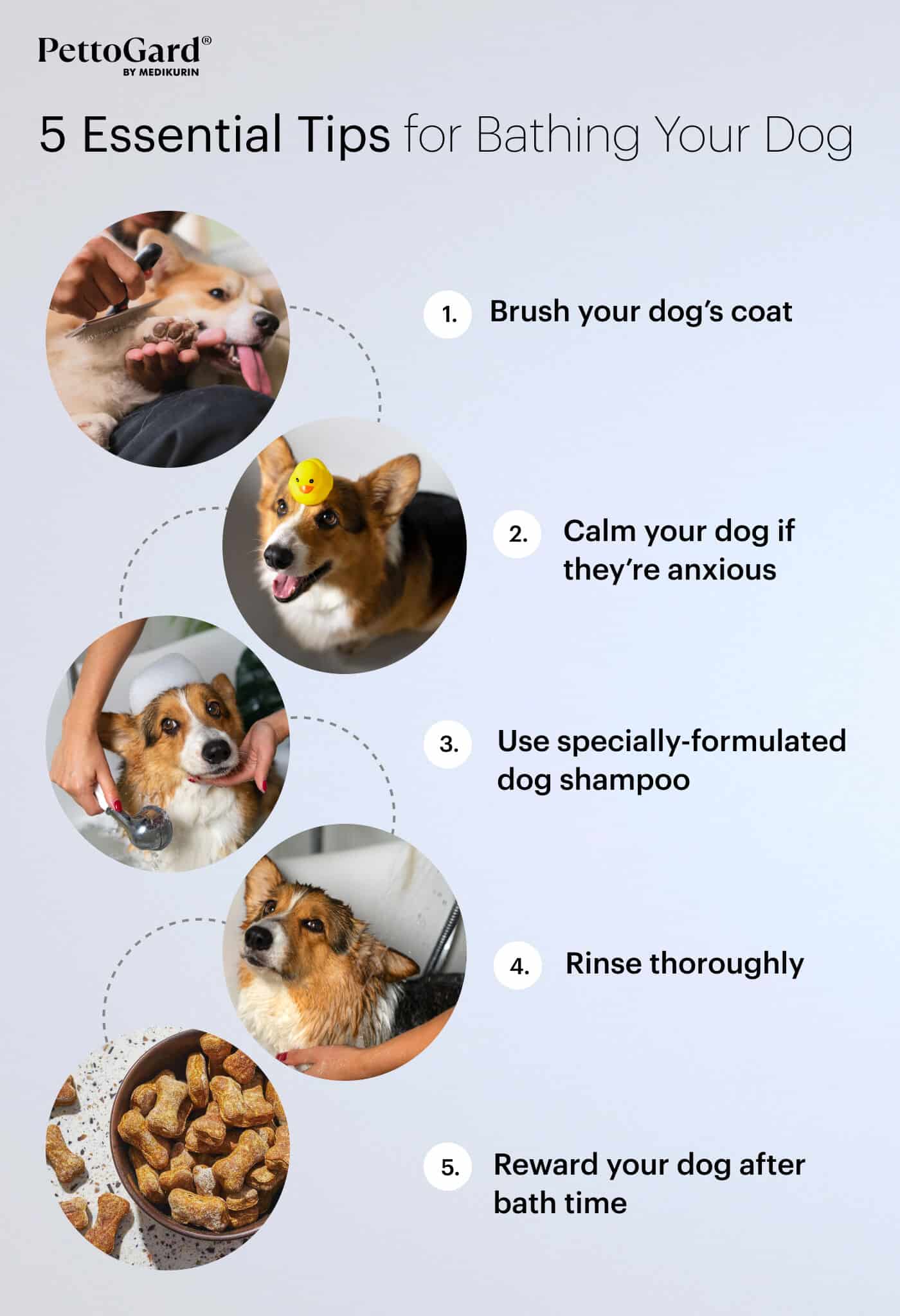
Proper preparation is the cornerstone of a safe and stress-free bath for your small dog. First, choose a calm environment where your dog feels comfortable—avoid noisy or chaotic spaces. Before the bath, give your pup a gentle brush to remove any loose hair, mats, or tangles, which will make washing easier and prevent discomfort. If your dog has a tendency to get anxious, consider offering a treat or calming words to soothe them beforehand.
It’s also crucial to gather all your grooming supplies in advance. Having everything within arm’s reach—such as shampoo, towels, a cup for rinsing, and a non-slip mat—will prevent you from leaving your dog unattended mid-bath. For small or toy breeds, a small bathtub, sink, or even a shallow basin can work well. Placing a non-slip mat in the bathing area provides stability and comfort, reducing the risk of slipping. Additionally, keep the water at a lukewarm temperature—around 90°F (32°C)—to prevent burns and make the experience more pleasant for your dog.
Another important aspect of preparation is to assess your dog’s temperament. If your pup is particularly anxious or nervous about baths, consider introducing bathing gradually—start with brief, positive sessions, and reward your dog with praise or treats. For puppies or dogs unfamiliar with water, patience and gentle handling are key. Remember, the goal is to create a positive association with bath time so that future grooming sessions are less stressful.
Selecting Safe and Gentle Dog Grooming Products
Choosing the right grooming products is essential for your small or toy breed dog’s safety and skin health. Because toy breeds often have thinner, more sensitive skin, opt for shampoos specifically formulated for small or sensitive dogs. Look for products that are free from harsh chemicals like parabens, sulfates, artificial fragrances, and dyes, which can irritate delicate skin. Natural or hypoallergenic shampoos containing soothing ingredients like oatmeal or aloe vera are excellent choices.
Always check the label for proper pH balance tailored for canine skin—human shampoos are not suitable as they can disrupt the dog’s skin barrier and lead to dryness or irritation. If your dog has skin conditions, allergies, or a history of sensitivities, consult your veterinarian for recommended grooming products. Additionally, avoid using household cleaning or baby shampoos, as they are not formulated for dog’s skin and coat needs. Remember, a gentle, high-quality product goes a long way in maintaining your dog’s skin health and coat shine.
In terms of additional grooming supplies, consider using a soft-bristled brush suitable for small breeds—this will help during and after the bath. Also, keep a cup or handheld sprayer handy for rinsing, as pouring water over your dog gently ensures thorough cleaning without causing discomfort. Using the right products not only keeps your dog looking good but also reduces the risk of skin infections, irritation, and coat damage.
Step-by-Step Guide to Washing a Small or Toy Breed Dog Safely
-
Secure Your Dog: Place your small dog on a non-slip mat inside the bathing area. Use gentle but firm hold to prevent slipping or jumping out, especially if your pup is nervous or wiggly. If necessary, use a harness or leash attached to a stable surface to keep control without causing discomfort.
-
Wet the Coat: Use lukewarm water to thoroughly wet your dog’s coat, starting from the neck down. Avoid spraying water directly into the ears, eyes, or nose. Use a cup or a gentle sprayer to gently moisten the fur, ensuring it’s damp but not soaked.
-
Apply Shampoo: Dilute a small amount of puppy-safe or sensitive skin shampoo in water if needed, then lather it gently across your dog’s body. Focus on areas prone to dirt build-up, such as paws, underbelly, and around the face, but avoid the face itself. Use your fingers or a soft cloth to massage the shampoo into the coat, being careful around sensitive areas.
-
Rinse Thoroughly: Rinse all the shampoo out completely, as residue can cause itching and irritation. Make sure no soap remains, especially in skin folds or around the ears. Use clean, lukewarm water and a gentle stream to ensure a thorough rinse.
-
Dry Gently: Use a soft towel to pat your dog dry, absorbing excess water. For small breeds, a blow dryer on the lowest heat setting can be used if your dog tolerates it, but always keep the dryer moving and at a safe distance to prevent burns. Never leave your small dog unattended with a running hairdryer.
-
Post-Bath Care: Check your dog’s skin and coat for any signs of irritation or abnormalities. Reward your pup with treats and praise for their patience. This positive reinforcement encourages cooperation during future baths.
Drying and Brushing Your Dog Post-Bath to Prevent Skin Issues
Proper drying is crucial to prevent skin issues like hotspots, fungal infections, or irritation. Towel drying is generally sufficient for small breeds, but if your dog tolerates it, a blow dryer set to low heat can speed up the process. Keep the dryer moving constantly and maintain a safe distance—about 6 inches—to avoid overheating or burning your dog’s sensitive skin. Remember, never use high heat or leave the dryer in one spot for too long.
Once your dog is mostly dry, brushing their coat helps to remove any remaining loose hair, prevent matting, and distribute natural oils for a healthy shine. Use a brush suitable for their coat type—slicker brushes work well for curly or dense coats, while pin brushes are good for longer, silky hair. Be gentle around sensitive areas like the belly, ears, and armpits. Regular brushing also helps to prevent skin issues caused by trapped dirt or debris.
Pay special attention to the ears and paws during drying and brushing. Use a damp cloth to gently clean the ears if necessary, and trim excess hair around paw pads to prevent accumulation of dirt and debris. Ensuring your small dog’s coat is thoroughly dry and well-brushed reduces the risk of skin infections and keeps them comfortable and looking their best.
Tips for Maintaining Your Dog’s Coat Between Baths and Ensuring Comfort
Maintaining your small or toy breed dog’s coat between baths is vital for their overall health and comfort. Regular brushing—ideally a few times a week—helps remove loose hair, dirt, and prevent mats, especially for long-haired breeds. Use a gentle, appropriate brush and be patient; this not only keeps the coat in good condition but also strengthens the bond between you and your pet. Additionally, checking the skin regularly for signs of irritation, parasites, or abnormalities provides early detection of health issues.
In addition to brushing, spot cleaning your dog’s paws and face with a damp cloth can keep them fresh between baths. This is especially helpful after walks or outdoor play. Ensuring your dog’s bedding is clean and dry also contributes to their comfort by reducing contact with dust, mites, or allergens. Remember, over-bathing can strip natural oils from the coat, so aim for a bath schedule recommended by your veterinarian—usually every 4-6 weeks for small breeds, unless they get particularly dirty or have skin conditions.
Lastly, keep your small dog comfortable and stress-free by creating positive grooming associations. Use treats, praise, or gentle petting during and after baths or brushing sessions. Provide a cozy resting spot and maintain a calm, soothing environment during grooming routines. This approach will help your pup feel safe and relaxed, making future grooming sessions easier and more enjoyable for both of you.
Conclusion
Bathing your small or toy breed dog doesn’t have to be a stressful ordeal. With proper preparation, the right grooming products, and a gentle, step-by-step approach, you can make bath time safe, effective, and even enjoyable. Remember to focus on your dog’s comfort, use products formulated for sensitive skin, and dry and brush their coat thoroughly afterward. Regular maintenance between baths, including brushing and spot cleaning, helps keep your pup looking and feeling their best while preventing skin issues. Ultimately, a compassionate, patient approach fosters trust and makes grooming a bonding experience rather than a chore. Your tiny companion deserves the best care, and a stress-free bath is a key part of keeping them healthy, happy, and looking adorable!