


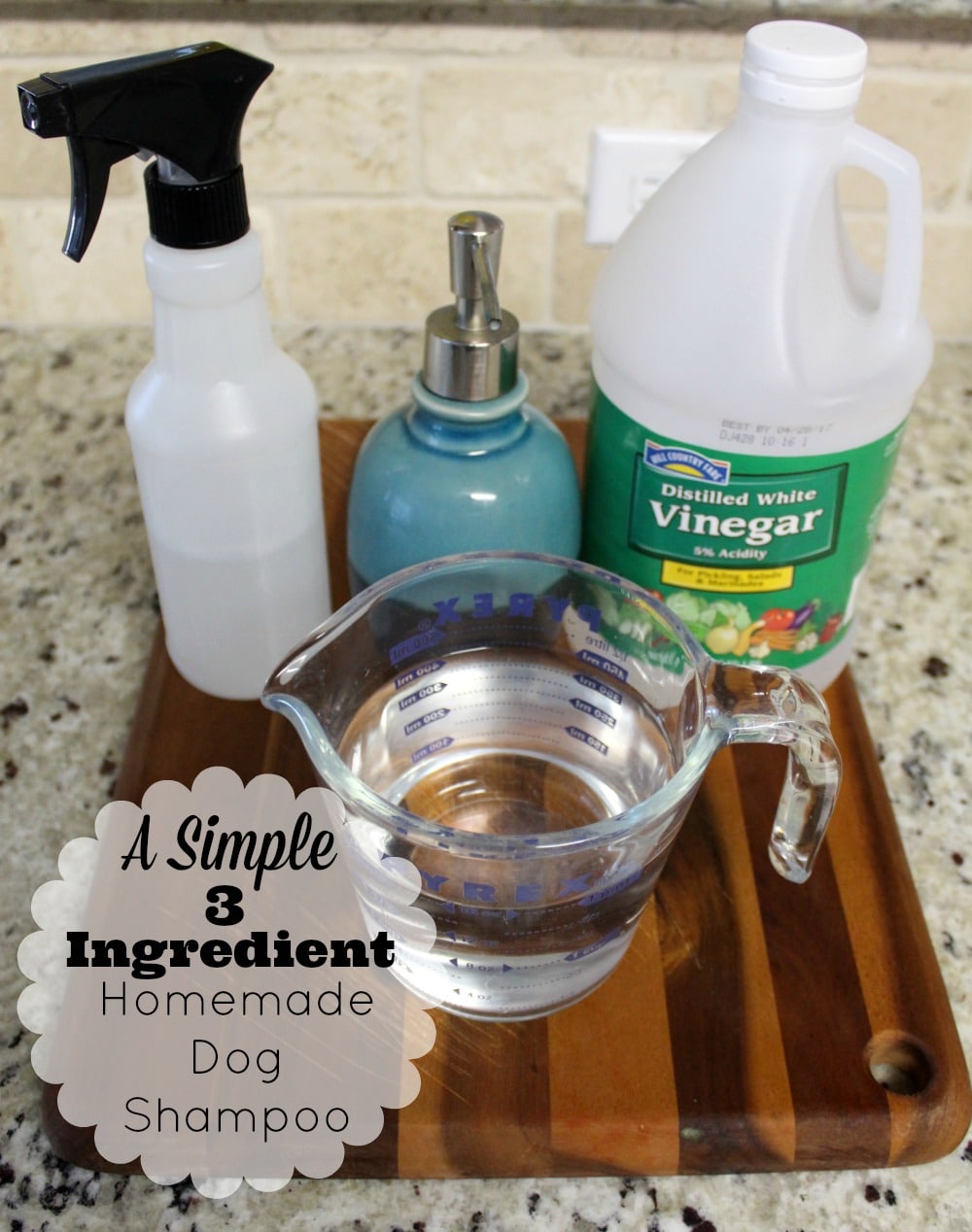
How to Make a Homemade Rinse for Your Dog’s Coat: Easy Tips and Recipes
Keeping your dog’s coat clean, shiny, and healthy is a vital part of responsible pet ownership. While regular baths with dog-specific shampoos are essential, many pet owners are also interested in natural, homemade solutions to enhance coat health and freshness. Creating a gentle, effective rinse at home not only saves money but also ensures your dog avoids harsh chemicals found in commercial products. Whether your dog has sensitive skin, you prefer eco-friendly options, or you simply want to add a natural touch to grooming routines, this guide will walk you through how to make a homemade rinse for your dog’s coat that is safe, easy, and tailored to your pet’s needs.
In this article, you’ll discover the best natural ingredients to use, detailed recipes, application techniques, tips for maintaining coat shine, and important safety considerations. By the end, you’ll be empowered to craft your own gentle, nourishing rinses that keep your canine companion looking and feeling their best.
Selecting Natural Ingredients for a Gentle Dog Coat Rinse
Choosing the right ingredients is the foundation of an effective and safe homemade dog rinse. Opting for natural, dog-friendly components ensures that the rinse will be gentle on your pet’s skin while providing benefits such as soothing irritation, enhancing shine, or deodorizing. Many common pantry ingredients—like apple cider vinegar, herbal infusions, and oatmeal—are excellent choices because of their proven skin and coat benefits.
Apple cider vinegar (ACV) is one of the most popular natural ingredients for dog rinses. It helps restore the skin’s natural pH balance, reduces dandruff, and combats bacteria and fungi that may cause skin infections. It’s important to dilute ACV properly to prevent irritation—typically one part vinegar to three or four parts water. Ensure you use unfiltered, organic ACV for the best results. Herbal infusions such as chamomile, rosemary, or parsley can soothe irritated skin, reduce inflammation, and promote a healthy, shiny coat. These herbs are easy to prepare as tea infusions and can be incorporated into rinses.
Oatmeal is another gentle, skin-calming ingredient that can be added to rinse recipes. Oatmeal soothes itching and irritation, making it ideal for dogs with sensitive skin or allergies. You can prepare an oatmeal rinse by blending or steeping finely ground oatmeal in warm water, then straining the mixture to create a soothing, milky solution. When selecting ingredients, always opt for pet-safe herbs and substances, and verify that your dog does not have allergies to any components used in your rinse formulations.
Finally, natural essential oils such as lavender or eucalyptus can add a pleasant scent and provide antimicrobial benefits, but they must be used cautiously. Always dilute essential oils thoroughly and consult your veterinarian before applying them directly to your dog’s coat, as some oils can be toxic to dogs in concentrated forms. When selecting ingredients, prioritize those known for their safety and skin benefits, and avoid anything that might be irritating or toxic.
Step-by-Step Guide to Preparing a Homemade Dog Coat Rinse
Creating an effective homemade dog rinse is straightforward, and with a few simple steps, you can have a custom solution tailored to your pet’s needs. The key is to ensure proper preparation, correct dilution, and hygiene to maximize benefits while preventing any adverse reactions. Here’s a clear step-by-step process to help you prepare your own natural dog coat rinse.
Step 1: Gather Your Ingredients and Equipment
Start by collecting all necessary components—such as apple cider vinegar, herbs, oatmeal, or other natural ingredients—as well as clean containers, measuring cups, and a funnel for easy pouring. Use glass or BPA-free plastic bottles to store your rinse solutions, and ensure they are thoroughly cleaned before use.
Step 2: Prepare Herbal Infusions or Teas
If you’re using herbs like chamomile, rosemary, or parsley, steep one to two tablespoons of dried herbs in about two cups of boiling water. Cover and steep for 15-20 minutes to extract their beneficial properties. Strain the infusion to remove any plant material, allowing only the liquid to be used in your rinse.
Step 3: Mix the Ingredients
Combine your herbal infusion or water with your chosen active ingredients. For example, to make a vinegar rinse, mix one part apple cider vinegar with three or four parts water. If adding oatmeal, dissolve a tablespoon of finely ground oatmeal in warm water to create a milky solution. Stir thoroughly to ensure everything is well integrated and ready for application.
Step 4: Store and Label
Pour your homemade rinse into a clean bottle, label it clearly with the ingredients and date of preparation, and store it in a cool, dark place. Most homemade rinses can be kept for up to a week or two, depending on the ingredients used—especially if they contain perishable items like herbal infusions.
Step 5: Conduct a Patch Test
Before using the rinse on your dog’s entire coat, perform a patch test. Apply a small amount to a limited area and observe for any signs of irritation or allergic reaction over 24 hours. This step is especially important if your dog has sensitive skin or allergies.
By following these simple steps, you can create a variety of natural rinses tailored for your dog’s specific coat and skin needs, ensuring a safe and effective grooming routine.
Application Techniques for Optimal Coat Cleaning and Freshness
Proper application of your homemade dog rinse maximizes its benefits and ensures your pet’s comfort during grooming. The technique will vary depending on your dog’s size, coat length, and skin sensitivity, but some general principles apply to achieve the best results.
Start with a clean coat. Before applying the rinse, brush your dog thoroughly to remove loose hair, dirt, and mats. This step helps the rinse penetrate more effectively and prevents debris from trapping bacteria or odors. If your dog is especially dirty or greasy, consider giving them a light bath first with a gentle, dog-safe shampoo.
Apply evenly and thoroughly. Pour or spray the homemade rinse over your dog’s coat, focusing on areas that tend to trap dirt or are prone to skin issues—such as behind the ears, under the belly, or between the toes. Use a gentle stream or spray bottle to distribute the solution evenly. For shorter coats, a sponge or cloth soaked in the rinse can work well; for longer coats, a spray or gentle massage is effective.
Massage into the coat and skin. Gently work the rinse into the coat with your hands or a soft brush, ensuring it reaches the skin without causing discomfort. Massaging helps stimulate circulation, distribute natural oils, and allows the rinse’s beneficial ingredients to penetrate the coat and skin deeply. Be especially careful around sensitive areas and avoid excessive rubbing to prevent irritation.
Allow the rinse to sit briefly. Let your dog’s coat air-dry naturally after applying the rinse, or gently towel dry if needed. Avoid rinsing with plain water immediately after—allowing the solution to work for a few minutes enhances its effectiveness. Some pet owners prefer to leave the rinse in as a leave-in treatment, especially if it contains conditioning or deodorizing ingredients.
By applying the rinse carefully and evenly, you help maintain a healthy, shiny coat, reduce odors, and support skin health. Regular use—once a week or as needed—can make a noticeable difference in your dog’s overall appearance and comfort.
Tips for Maintaining Coat Shine and Skin Health with Homemade Rinses
A natural rinse is just one part of a holistic approach to keeping your dog’s coat shiny, soft, and healthy. Consistent grooming, balanced nutrition, and skin care routines all contribute to a vibrant coat and healthy skin. Incorporating homemade rinses into your grooming schedule can boost these efforts significantly.
Use a variety of natural ingredients. Rotate different ingredients like apple cider vinegar, herbal infusions, and oatmeal to address various skin concerns and prevent sensitivities. For example, alternating between vinegar-based rinses for deodorizing and oatmeal-based rinses for soothing can provide comprehensive coat care. This variety also keeps your dog’s routine interesting and effective.
Maintain a balanced diet. A healthy coat starts from within. Ensure your dog’s diet is rich in omega-3 and omega-6 fatty acids, which promote skin health and coat shine. Supplements such as fish oil or flaxseed oil can complement natural rinses, providing essential nutrients that support a glossy coat and reduce dryness or itchiness.
Regular brushing and grooming. Brushing not only removes loose fur and prevents mats but also distributes natural oils throughout the coat, enhancing shine. Use appropriate brushes for your dog’s coat type, and incorporate gentle massaging during grooming to stimulate oil production and skin circulation. Combining this with rinses creates a synergistic effect for overall coat health.
In addition to external care, monitor your dog’s skin for any signs of irritation, dryness, or infection. If you notice persistent issues, consult your veterinarian for tailored advice. Homemade rinses are a wonderful, natural way to support your dog’s coat, but they should complement a balanced grooming and nutrition plan for optimal results.
Safety Considerations and Adjustments for Different Dog Breeds and Skin Types
While homemade rinses are generally safe when properly prepared and applied, understanding your dog’s unique needs is crucial to prevent adverse reactions. Different breeds have varying coat textures, skin sensitivities, and health considerations, necessitating adjustments in your homemade grooming routine.
Sensitive or allergy-prone skin. Dogs with sensitive skin, such as Bulldogs or Dalmatians, may react negatively to certain ingredients like vinegar or strong herbal infusions. For these pets, opt for milder recipes—such as oatmeal or diluted herbal infusions—and always perform a patch test before full application. If irritation occurs, discontinue use and consult your veterinarian.
Coat type considerations. Long-haired breeds like Collies or Afghan Hounds may benefit from rinses that help detangle and add moisture, like oat-based solutions or herbal conditioners. Short-haired breeds, such as Beagles or Dobermans, might require different formulations focusing on deodorizing and skin balance. Adjust the concentration of ingredients based on coat length and texture to achieve the best results.
Skin conditions and health issues. Dogs with specific skin problems—like allergies, dermatitis, or infections—require tailored care. For example, a dog with yeast overgrowth may benefit from vinegar rinses, but only under veterinary guidance. Conversely, a dog recovering from skin injury might need soothing herbal infusions without vinegar or essential oils. Always consult your veterinarian before introducing new homemade products, especially if your dog has a health condition.
Incorporating these safety considerations ensures your homemade rinse is both effective and safe. Remember that not all ingredients are suitable for every dog, and when in doubt, professional veterinary advice is invaluable. Regularly observe your dog’s skin and coat for changes, and adjust your routine accordingly to maintain their health and happiness.
Conclusion
Creating a homemade rinse for your dog’s coat is a simple, natural, and cost-effective way to enhance their grooming routine. By carefully selecting gentle ingredients like apple cider vinegar, herbal infusions, and oatmeal, you can craft customized solutions that soothe, deodorize, and promote a shiny, healthy coat. Proper preparation and application techniques ensure your dog’s comfort and maximize the benefits of these natural remedies.
Maintaining coat shine and skin health involves more than just rinses—consistent grooming, a nutritious diet, and attentive skin care all play a role. And always remember to consider your dog’s breed, skin type, and health conditions when choosing or adjusting homemade recipes. Safety should always come first, with patch tests and veterinary guidance as needed.
With these easy tips and recipes, you can confidently incorporate natural, homemade rinses into your dog’s grooming routine, giving your furry friend the gentle, nourishing care they deserve. Embrace the power of nature to keep your dog happy, healthy, and looking their best—one rinse at a time!