


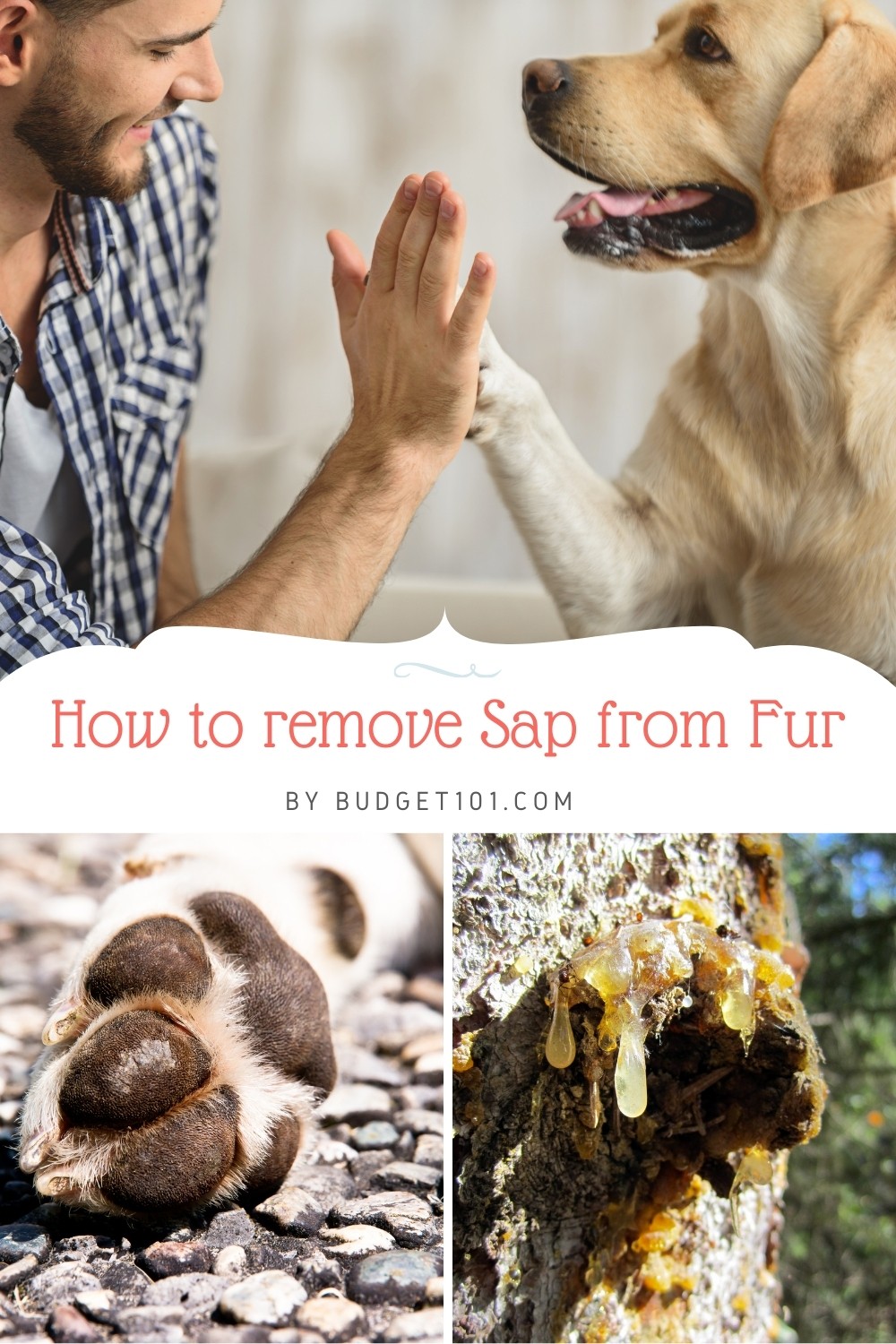
How to Remove Tree Sap from Your Dog’s Fur: Easy Tips and Tricks
Nothing is more adorable than watching your dog romp around outdoors, exploring the woods, or playing in the yard. However, outdoor adventures can sometimes come with unexpected challenges—like discovering sticky tree sap clinging to your furry friend’s coat. Tree sap can be stubborn, messy, and difficult to remove, but don’t worry! With the right approach and some simple supplies, you can safely and effectively get your dog’s fur clean again. This article will walk you through understanding tree sap’s impact, preparing your supplies, and step-by-step methods to remove it while keeping your dog comfortable and healthy.
Whether your dog has just a small sticky patch or a larger area covered in sap, knowing how to tackle this problem is essential for maintaining your pet’s hygiene and comfort. Plus, we’ll share tips to prevent sap from sticking in the future, along with advice for post-removal grooming. So, let’s dive into everything you need to know about removing tree sap from your dog’s fur, making outdoor adventures safe and enjoyable for everyone.
Understanding Tree Sap and Its Impact on Dog Fur
Tree sap is a natural, sticky resin produced by certain trees, such as pine, fir, and cedar, primarily as a defense mechanism against injury or pests. When your dog ventures into wooded areas or brushes against trees, they can easily pick up this resin on their coat. The consistency of tree sap varies from thick and gooey to semi-liquid, making it a tricky substance to remove once it’s adhered to fur.
The impact of tree sap on your dog’s fur isn’t just cosmetic—it can also cause discomfort or irritation if left untreated. The sticky nature can trap dirt, debris, and even pests like fleas or ticks, increasing the risk of skin infections or irritations. Additionally, if ingested while licking, some tree saps may cause upset stomach or mild poisoning, especially if they contain chemicals like preservatives or resins with toxic properties. Therefore, prompt removal is not only about cleanliness but also about your dog’s health and safety.
Knowing the particular type of tree sap and how it interacts with fur helps you choose the best removal method. For example, softer, fresh sap might be easier to remove with gentle oils or conditioners, while hardened, dried sap may require more specialized techniques. Recognizing the signs—such as a glossy, sticky patch on your dog’s coat—enables you to act quickly and prevent these substances from causing further issues. Regular outdoor checks and early intervention are key to keeping your dog comfortable and free of stubborn sap residues.
Preparing Your Supplies for Sap Removal from Dog Hair
Before you start removing tree sap from your dog’s fur, gathering the right supplies is essential. Having everything on hand will make the process smoother, less stressful for both you and your pet. Start with gentle, dog-safe products such as mild pet shampoos and conditioners to help soften the sap. A pair of fine-tooth combs or brushes designed for sensitive fur can help lift the sticky residue without pulling out too much hair or causing discomfort.
In addition to grooming tools, you’ll want some specific cleaning products. Plant-based oils like coconut oil, olive oil, or commercial pet-safe removal oils are excellent options because they break down the sticky resin gently. Rubbing alcohol is an effective solvent but should be used cautiously, as it can irritate sensitive skin—patch testing beforehand is advised. Also, keep some soft cloths or paper towels nearby for applying oils and wiping away loosened sap. For stubborn patches, a gentle, pet-approved adhesive remover or a specialized sap dissolver can be helpful, but always consult your veterinarian before using strong chemicals.
Finally, having patience and a calm environment is crucial. Removing tree sap can sometimes take a bit of time, especially if it’s deeply embedded. Make sure your dog is comfortable and relaxed—perhaps with treats or soothing words—and work in a well-lit, quiet space. Preparing everything beforehand minimizes stress and ensures a safe, efficient cleaning process, turning a sticky situation into a manageable task.
Step-by-Step Techniques for Safely Removing Tree Sap from Dog Fur
When it comes to removing tree sap from your dog’s fur, patience and gentle handling are key. Here’s a clear, step-by-step approach to do the job safely and effectively:
-
Restrain and Comfort Your Dog: Start by calming your dog with a gentle voice and perhaps some treats. Use a calm environment to reduce anxiety. If needed, have a helper to hold your dog still, especially if they’re squirming.
-
Apply a Plant-Based Oil or Conditioner: Using a soft cloth or your fingers, gently massage a small amount of coconut oil, olive oil, or a pet-safe removal oil onto the affected area. Let it sit for a few minutes—this helps soften the sap, making it easier to loosen.
-
Gently Work the Sap Out: After letting the oil penetrate, use a fine-tooth comb or your fingers to carefully lift and work the softened sap away from the fur. Avoid pulling or tugging aggressively to prevent skin irritation or hair breakage.
-
Use a Mild Shampoo to Rinse: Once most of the sap has been loosened, wash the area with a mild, pet-safe shampoo. This helps remove any remaining oil and sap residues. Rinse thoroughly with warm water, ensuring no product is left behind.
-
Repeat if Necessary: For stubborn patches, repeat the oil application and combing process. Patience is key—especially with dried or thick sap. Avoid using harsh chemicals or scrubbing vigorously, which could irritate your dog’s skin.
-
Dry and Inspect: Gently pat your dog dry with a soft towel. Check the fur closely to ensure all sap has been removed. If some residue remains, repeat the process or consult your vet for additional guidance.
Following these steps ensures a safe, effective removal while minimizing discomfort for your dog. Always prioritize your pet’s safety, working slowly and gently, especially around sensitive areas like the face or skin folds.
Tips for Preventing Future Tree Sap Adhesion on Your Dog’s Coat
Prevention is better than cure, especially when it comes to stubborn tree sap. Several proactive steps can help minimize the chances of your dog picking up sticky resin on outdoor adventures. First, consider grooming your dog regularly, particularly before and after outdoor activities. A well-brushed coat reduces the likelihood of sap sticking to loose hair and makes cleaning easier if contact occurs.
Another effective tip is to use protective gear such as dog-friendly clothing or harnesses that cover or shield areas prone to contact with trees or sap-producing plants. Avoid walking your dog near resin-rich trees during peak sap flow seasons—typically spring and early summer—when the resin is most sticky and abundant. If your dog does venture into wooded areas, keep them on a leash to prevent them from rubbing or rolling against tree trunks or branches.
Additionally, applying a light pet-safe coat or conditioning spray before outdoor walks can create a barrier that reduces adhesion. After walks, make it a routine to check your dog’s coat for sap or debris and remove any immediately. These simple habits not only protect your dog from sticky residues but also promote overall coat health and cleanliness, making grooming easier for both of you.
Post-Removal Care and Fur Maintenance to Keep Your Dog Healthy and Clean
Once you’ve successfully removed tree sap, proper post-removal care is essential for maintaining your dog’s skin and coat health. Start by giving your pet a thorough rinse with warm water to wash away any residual oils or cleaning products used during the process. Follow up with a gentle, moisturizing dog shampoo to restore natural oils and soothe any skin that may have been irritated.
After washing, ensure your dog is completely dry using a soft towel or a pet-safe blow dryer on a low, cool setting. Proper drying prevents moisture buildup, which can lead to skin infections or hot spots—especially important if some sap removal involved skin contact or abrasion. During this time, inspect your dog’s coat and skin for any signs of irritation, redness, or abrasions, and consult your veterinarian if needed.
To keep your dog’s fur healthy and shiny after the ordeal, consider regular grooming sessions. Brushing helps distribute natural oils, remove dirt or debris, and prevent tangles. Maintaining a healthy diet rich in omega fatty acids can also promote a resilient coat. Remember, consistent grooming and routine checks can significantly reduce future challenges with tree sap or other outdoor residues, keeping your dog happy, comfortable, and looking their best.
Conclusion
Removing tree sap from your dog’s fur can seem daunting at first, but with the right knowledge and gentle techniques, it becomes a manageable task. Understanding the nature of tree sap and how it impacts your pet’s skin and coat helps you act swiftly and effectively. Preparing your supplies beforehand—such as pet-safe oils, gentle shampoos, and grooming tools—sets the stage for a smooth cleaning process. Step-by-step, gentle application of oils, careful brushing, and thorough rinsing ensure the sticky residues are safely removed without causing discomfort or damage to your dog’s fur.
Prevention plays a vital role, so adopting protective measures like grooming, avoiding resin-heavy trees during peak seasons, and using protective clothing can save you from future sticky situations. Aftercare, including proper drying, skin checks, and regular grooming, keeps your dog’s coat healthy and resilient. Remember, patience and gentleness are key—your dog will appreciate your care and attention.
By following these tips and tricks, you can turn a messy problem into a quick fix, ensuring your furry friend stays clean, comfortable, and ready for their next outdoor adventure. Keep these strategies in mind, and enjoy worry-free outdoor fun with your beloved pet!