


How to Bathe Your Dog on a Leash: Easy Steps for a Stress-Free Bath
Giving your dog a bath is an essential part of grooming and maintaining their health, but it can often feel daunting—especially when trying to keep them calm and safe during the process. Bathing your dog on a leash is an effective method that helps prevent slips, injuries, or escapes, making the experience safer and more controlled for both of you. Whether your pup is nervous about baths or you’re just looking for a more manageable way to clean them, this guide will walk you through the entire process—from preparation to post-bath care—so you can enjoy a stress-free, successful bathing session.
In this article, we’ll explore how to prepare your dog and bathing area, gather essential supplies, walk through the step-by-step bathing process, and share tips for managing behavior and ensuring safety. By the end, you’ll have the confidence and knowledge needed to give your dog a comfortable, effective bath using a leash, making bath time a positive experience for everyone involved.
Preparing Your Dog and Bathing Area for a Leash Bath
Getting ready for a leash bathing session starts long before you turn on the water. First, it’s important to understand your dog’s temperament and comfort level. Some dogs are naturally more anxious or reactive, so preparing the environment to minimize stress can make a big difference. Choose a quiet, familiar space—such as the laundry room, bathroom, or outdoor area—free from distractions like loud noises or sudden movements. If your dog is nervous about baths, consider introducing them gradually to the area beforehand, so they associate it with positive experiences.
Next, establish a calming routine to help your dog feel secure. Use gentle voice commands, treats, or toys to create a relaxed atmosphere before starting. It’s helpful to set up the bathing area with everything within arm’s reach—this includes supplies, towels, and the leash—to avoid unnecessary movement once you begin. Also, ensure the space is safe and slip-proof; placing a non-slip mat in the tub or bathing area prevents your dog from slipping and adds to their confidence. Remember, a calm environment reduces anxiety and prevents accidents, making the entire process smoother.
Finally, consider your dog’s specific needs and any medical conditions they might have. For example, older dogs or those with joint issues may require additional support or a lower height for easier access. If your dog is particularly reactive, you might want to introduce a harness or a specialized leash that provides better control without causing discomfort. Preparing your dog mentally and physically for the bath—by offering praise or a short walk beforehand—can also help them feel more relaxed and cooperative during the actual bathing process.
Gathering Essential Supplies and Setting Up for Safe, Effective Dog Washing
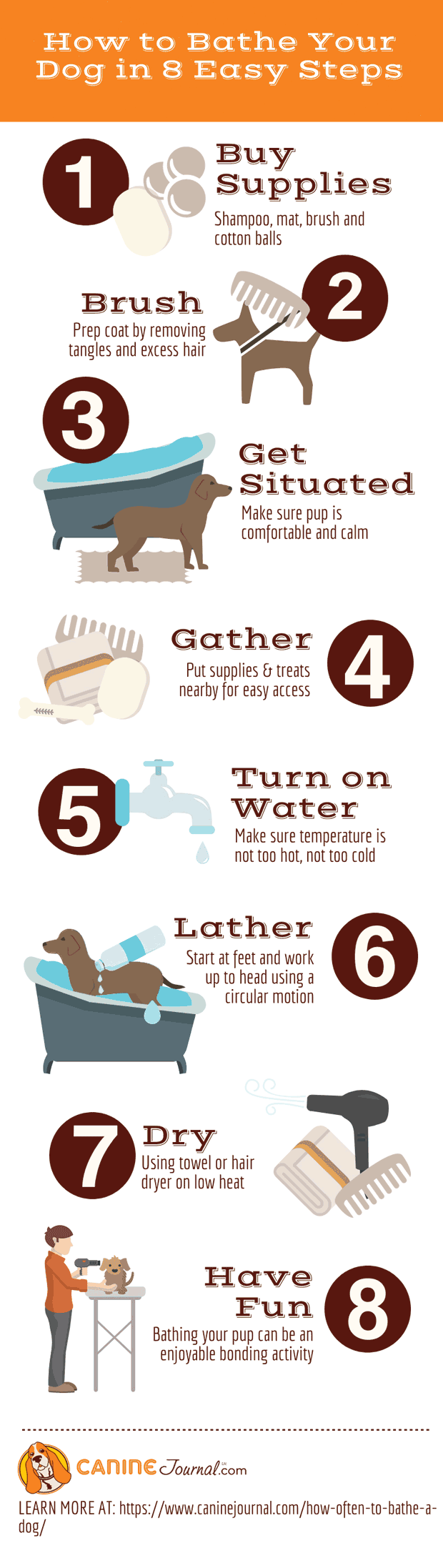
Preparing your supplies in advance ensures a smooth, stress-free bathing experience. The essentials include a gentle dog shampoo suited to your dog’s coat type and skin sensitivities. Avoid human shampoos or harsh chemicals, as these can irritate your dog’s skin. A few other must-have items are a large cup or sprayer for rinsing, a towel or two for drying, and a brush or comb to detangle fur before and after the bath. If your dog has thick or long hair, a detangling spray can make grooming easier, reducing discomfort during washing.
In addition to grooming tools, consider safety accessories such as a sturdy leash, preferably a no-pull or adjustable harness, to ensure control without causing discomfort. Using a slip-leash or a gentle gaiter that clips onto the collar can also work if used properly. Attach the leash securely to a fixed point or hold it firmly yourself, depending on your setup. For outdoor baths, ensure the area is level and free of hazards like sharp objects, and keep water sources stable and accessible. Having everything ready before you start minimizes surprises and keeps your dog calm and focused during their bath.
Setting up your bathing station involves more than just organizing supplies. If your dog is uneasy about water, introducing them gradually to the bathing environment beforehand can help. Turn on the water at a comfortable temperature—lukewarm is best—so your dog doesn’t react to sudden cold or hot water. Place non-slip mats in the tub or bathing area and position your supplies within easy reach. If you’re outside, ensure there’s shade and protection from wind or insects. Proper setup not only keeps your dog safe but also makes the experience more manageable and enjoyable for both of you.
Step-by-Step Guide to Bathing Your Dog on a Leash for Comfortable Cleaning
Now that your environment and supplies are ready, it’s time to start bathing your dog on a leash systematically. Begin by securing the leash to your dog’s harness or collar, making sure it’s snug but not tight—your goal is gentle control, not restriction. If outside, attach the leash to a stable object or hold it firmly. Greet your dog calmly, offering treats or praise to create a positive association with the process. Having your dog’s attention helps them stay calm and responsive throughout the bath.
Next, wet your dog’s coat thoroughly using a cup, sprayer, or gentle stream of water. Start from the neck and work your way down, avoiding the face initially to prevent water or shampoo from irritating their eyes and ears. Use your hand or a soft cloth to gently massage shampoo into the coat, paying attention to areas that tend to get dirty or smelly, like paws, underarms, and behind the ears. Be gentle but thorough, and remember to speak in soothing tones to keep your dog relaxed. Rinse completely to remove all soap residue, as leftover shampoo can cause irritation.
Finally, gently squeeze excess water from the coat with your hands or a towel, then begin drying. For dogs with long or thick fur, a blow dryer on a low, cool setting can speed up the process—just ensure it’s not too hot or loud. Use towels to pat fur dry and avoid vigorous rubbing, which can cause discomfort or matting. Make sure your dog is completely dry before allowing them to go outside or into their usual environment to prevent chills. Throughout the bath, keep treats and praise flowing to reinforce positive feelings about grooming, and always monitor your dog’s reactions to ensure they’re comfortable and safe.
Tips for Managing Your Dog’s Behavior and Ensuring Safety During the Leash Bath
Handling your dog’s behavior during a leash bath is crucial for a positive and safe experience. Many dogs become anxious or restless during baths, so patience and calmness from you can significantly influence their reactions. Use treats, praise, or toys as positive reinforcement for calm behavior, and start with short, frequent sessions if your dog is particularly nervous. If your dog begins to struggle or become overly stressed, take a break and try again later, gradually increasing the duration as they become more accustomed to the process.
Controlling your dog’s movements without causing discomfort is vital. A well-fitting harness or leash attachment that distributes pressure evenly helps prevent choking or injury if your dog pulls or tries to escape. Never use force or punishment, as this can escalate fear and resistance. If your dog is prone to jumping or squirming, consider using a calming device like a Thundershirt or calming collar, and always keep a firm but gentle grip. Supervising and reading your dog’s body language—such as lip licking, yawning, or tense muscles—can help you gauge when they’re becoming overwhelmed and need a break.
Safety during a leash bath isn’t just about controlling behavior; it’s also about environment management. Keep sharp objects, electrical outlets, or other hazards out of reach. Be cautious with water temperature—lukewarm water is safest—and ensure your dog’s face and ears are protected from water and shampoo. Always stay attentive to your dog’s comfort, and don’t rush the process. If your dog shows signs of distress, calmly soothe them and consider consulting a professional groomer or trainer for additional guidance. Remember, patience, consistency, and compassion go a long way in creating a positive bathing experience.
Post-Bath Care and Drying Techniques to Keep Your Dog Comfortable and Healthy
After the bath, it’s crucial to focus on proper drying and post-care to ensure your dog remains comfortable and healthy. Pat your dog gently with towels to absorb excess water, avoiding vigorous rubbing that can cause matting or skin irritation. For dogs with long or thick fur, using a high-velocity dryer on a cool setting can efficiently dry their coat, but always keep the nozzle at a safe distance to prevent overheating or discomfort. Many dogs find the sound of a dryer stressful, so gradually introduce it with treats and praise to build positive associations.
Once your dog is mostly dry, brush their coat thoroughly to prevent mats and tangles, especially in breeds prone to grooming issues. Regular grooming not only maintains their coat but also provides an opportunity to check for skin issues, parasites, or unusual bumps. If your dog has sensitive skin, apply a calming spray or moisturizer recommended by your veterinarian. Providing a cozy, warm space for your dog to relax post-bath—such as a soft bed or blanket—can help them recover from any residual stress and regain their confidence.
Finally, reward your dog with treats, praise, or playtime to reinforce a positive experience. Hydration is also important, so ensure your dog has access to fresh water after their bath. Keep an eye on their behavior over the following hours—monitor for signs of discomfort, skin irritation, or coldness. Regular baths using a leash method, combined with gentle handling and attentive post-care, can strengthen your bond and make grooming a routine that’s safe, effective, and stress-free for your furry friend.
Conclusion
Bathing your dog on a leash can be a game-changer for managing grooming sessions safely and comfortably. Proper preparation—both of your dog and the environment—is key to setting a calm, controlled tone for the bath. Gathering all necessary supplies beforehand ensures efficiency, and following a step-by-step process helps make the experience smoother for both of you. Managing your dog’s behavior with patience, positive reinforcement, and safety measures keeps everyone relaxed and prevents accidents.
Post-bath care is just as important as the bath itself. Proper drying, grooming, and comforting your dog afterward promote health and happiness, turning bath time into an opportunity to strengthen your bond. Remember, consistency and patience are essential. If you approach leash bathing with a calm attitude and a gentle touch, you’ll find that your dog can learn to tolerate—and even enjoy—this routine. With these tips and techniques, you can turn a sometimes stressful task into a positive, bonding experience that keeps your dog healthy, clean, and happy.