


How to Spot Hidden Skin Conditions During Bathing: Tips and Signs
Taking a shower or bath is more than just a routine for cleanliness—it’s an opportunity to truly inspect your skin for signs of hidden health issues. Many skin conditions can develop subtly, often going unnoticed until they become more serious. Recognizing these early signs can lead to quicker diagnosis, better management, and improved skin health overall. This article explores practical tips and signs to watch for during bathing, helping you identify underlying skin problems before they escalate. Whether you’re dealing with minor irregularities or more concerning symptoms, understanding how to spot hidden skin conditions is a proactive step towards maintaining healthier skin.
Recognizing Common Signs of Hidden Skin Conditions During Bathing
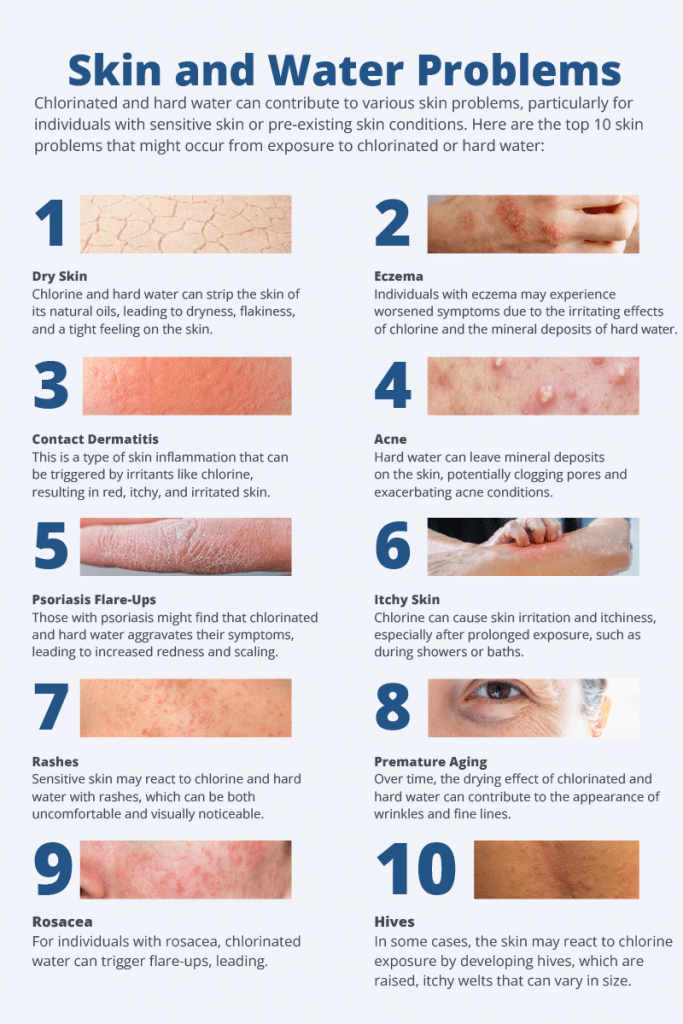
During your regular cleansing routine, your skin reveals valuable clues about your overall health. Common signs that may indicate underlying skin conditions include persistent discolorations, unusual textures, or unexplained bumps and patches. For example, areas of hyperpigmentation (darker patches) could be signs of post-inflammatory changes or conditions like eczema or psoriasis. Similarly, persistent redness or inflammation might suggest dermatitis or allergies. Recognizing these signs early allows you to address potential problems before they worsen.
Another important aspect is noticing changes in skin texture or the appearance of small bumps, rough patches, or peeling skin. For instance, rough, scaly patches could be indicative of psoriasis or fungal infections, especially if they are persistent or spreading. Additionally, pay attention to any areas that itch, burn, or cause discomfort—these sensations often accompany skin conditions like contact dermatitis or allergic reactions. Bathing provides a gentle environment for thorough skin observation, helping you catch subtle signs that might be overlooked otherwise.
It’s also essential to be aware of unusual skin discolorations that appear suddenly or change over time—such as darkened or lightened areas, or patches with irregular borders. These could be benign but sometimes signal more serious issues like skin infections or even early signs of skin cancer. Regularly inspecting your skin during bathing enhances your ability to detect these anomalies early, which is critical for effective treatment and peace of mind.
Techniques for Thorough Skin Inspection While Showering or Bathing
Maximizing your skin inspection during bathing involves developing a systematic approach that allows you to cover all areas effectively. Start by using your hands or a soft cloth to gently feel every part of your body, paying special attention to areas that are hard to see, such as your back, behind the ears, or between fingers and toes. Using a mirror can help you examine difficult-to-see areas more thoroughly. When you shower, incorporate a routine where you slowly and carefully inspect your skin from head to toe, observing for any irregularities.
Incorporate proper lighting to enhance visibility—bright, natural light is ideal, but if that’s not possible, use a well-lit bathroom mirror or a handheld mirror. Detergents and body washes with light-colored formulas can also help highlight skin changes, making abnormalities more noticeable against a clean, moisturized background. Take your time during each bath or shower to avoid rushing through the process; a relaxed, meticulous inspection ensures you don’t miss subtle signs of skin issues.
Using tools like a soft exfoliating brush or loofah can help remove dead skin cells, revealing underlying skin that might hide irregularities or pigmentation. However, be gentle to avoid causing irritation or scratching, which can complicate existing issues. Finally, keep a mental or written note of any changes you observe over time. Tracking these signs helps distinguish between temporary skin reactions and persistent conditions requiring further attention.
Identifying Unusual Skin Changes and Symptoms That Require Medical Attention
While many skin changes can be benign or temporary, certain signs warrant prompt medical evaluation. For example, new or changing moles, spots, or lesions that are asymmetrical, have irregular borders, multiple colors, or are larger than a pencil eraser should be examined by a healthcare professional. These could be early indicators of skin cancer, such as melanoma, which requires early diagnosis for the best outcomes. Regularly checking your skin during bathing makes it easier to catch these potentially dangerous changes early.
Persistent or worsening symptoms like severe itching, pain, swelling, or blistering should also prompt professional assessment. Conditions such as eczema or allergic contact dermatitis can be managed effectively if identified early, but if left untreated, they may lead to secondary infections or chronic skin damage. Additionally, signs of infection—including redness, warmth, pus, or fever—must be evaluated by a doctor promptly. Pay close attention to any new growths, ulcers, or crusted areas that do not heal over time.
Unusual pigmentation changes, especially if they appear suddenly or spread quickly, also merit medical review. These might include dark patches, light patches, or unusual birthmarks. If you notice any unusual skin appearance along with systemic symptoms like fatigue, weight loss, or fever, seek medical advice immediately. Trust your instincts—any new, persistent, or worsening skin abnormality should be professionally evaluated to rule out serious conditions.
Tips for Using Skin Care Products to Detect and Manage Skin Abnormalities
Incorporating skin care products into your bathing routine can facilitate early detection of skin issues while also helping manage existing conditions. Use gentle, fragrance-free cleansers that do not strip your skin of natural oils—this reduces irritation and allows you to better see your skin’s natural state. When applying moisturizers, choose products suited to your skin type, as dryness or flakiness can mask underlying problems or exacerbate existing conditions.
Some skin care products contain ingredients that can reveal abnormalities. For example, medicated creams such as corticosteroids or antifungals might cause changes in skin appearance or texture, highlighting areas of concern. Be mindful of any reactions or skin sensitivities when trying new products—irritation or allergic responses can mimic or obscure signs of underlying conditions. If you notice unusual reactions after applying products, consult a dermatologist for proper diagnosis and treatment.
Regular skin assessments during bathing can also include the use of skin-friendly dyes or illuminators that temporarily highlight irregular pigmentation or lesions. These tools are often used by dermatologists, but with proper guidance, they can help you identify suspicious areas at home. Remember, though, that skin care products are supportive tools—not substitutes for professional diagnosis. Use them wisely to maintain your skin’s health and alertness to abnormal changes.
When to Seek Professional Diagnosis and Specialized Dermatological Evaluation
While many skin abnormalities can be managed or monitored at home, certain situations demand professional medical attention. If you notice any suspicious moles, persistent growths, or rapidly changing skin lesions, consult a dermatologist promptly. Early diagnosis of skin cancer, including melanoma, basal cell carcinoma, or squamous cell carcinoma, significantly improves treatment success rates. Do not delay seeking care if you observe new, irregular, or painful skin changes that do not resolve within a few weeks.
Persistent itching, burning, or soreness that does not improve with over-the-counter remedies also warrants professional evaluation. Chronic skin conditions like eczema, psoriasis, or dermatitis may require prescription medications or specialized therapies. Additionally, if you develop signs of infection—such as increasing redness, swelling, warmth, or pus—seek immediate medical attention to prevent complications. Skin infections can sometimes escalate quickly and need antibiotics or other interventions.
Finally, routine dermatological check-ups are recommended for individuals with a history of skin cancer, numerous moles, or high sun exposure. Regular skin exams by a professional can detect early-stage skin issues before they become symptomatic or visible to the naked eye. Remember, proactive assessment and early intervention are key to maintaining healthy skin and preventing serious complications.
Conclusion
Your bathing routine offers a valuable opportunity to become more attuned to your skin’s health. By recognizing common signs of hidden skin conditions—such as unusual discoloration, texture changes, and new growths—you can take proactive steps to address potential issues. Employing a thorough inspection technique during showers or baths enhances your ability to catch subtle abnormalities early. While some changes may be benign, others require prompt medical attention—making awareness and vigilance essential.
Using gentle skincare products thoughtfully can aid in detection and management of skin ailments, but they should complement professional evaluations. Knowing when to seek expert advice ensures serious conditions like skin cancer or infections are diagnosed and treated promptly. Remember, your skin is a window into your overall health—regular self-inspection combined with timely medical consultation paves the way for healthier, more resilient skin.
Stay attentive during your bath time routine, and don’t hesitate to reach out to dermatology specialists when in doubt. Your proactive approach can make all the difference in maintaining optimal skin health for years to come.