


How to Use Herbal Teas in Dog Baths for Healthy, Soothing Skin
If you’re a pet owner looking for natural ways to soothe your dog’s skin, you might have heard about herbal teas as a gentle, effective remedy. Herbal baths are an age-old practice that can help alleviate skin irritations, promote a shiny coat, and provide overall skin health benefits. This approach is safe, affordable, and can be tailored to your dog’s specific needs, making it an appealing alternative or complement to commercial skincare products. In this article, we’ll explore how to incorporate herbal teas into your dog’s bathing routine, from selecting the right herbs to preparing and safely using herbal baths. Whether your pup has itchy skin, allergies, or just needs some pampering, understanding the right techniques can help you give your furry friend a soothing, healthy bath.
Understanding the Benefits of Herbal Teas for Dog Baths
Herbal teas have been used for centuries in natural medicine to promote healing, relaxation, and skin health. When infused into a bath, these herbal infusions can deliver their beneficial properties directly to your dog’s skin, providing a soothing experience that can help reduce inflammation, calm itching, and promote healthier skin. Many herbs contain natural anti-inflammatory, antifungal, and antimicrobial compounds that can help combat common skin issues such as dermatitis, hot spots, and dryness. Moreover, herbal baths can help restore the skin’s natural pH balance, which is vital for maintaining a protective barrier against irritants and pathogens.
Beyond the physical benefits, herbal teas can also have a calming effect on anxious or stressed dogs. The gentle aroma of certain herbs like chamomile or lavender can help relax your pet during bath time. This can make the process less stressful for both of you, especially if your dog is sensitive or nervous about baths. Additionally, herbal baths are a natural alternative to medicated shampoos that may contain harsh chemicals. By using herbal infusions, you reduce exposure to potentially irritating substances, making the bath safer for dogs with sensitive skin or allergies. Overall, integrating herbal teas into your dog grooming routine can foster healthier skin, a more relaxed pet, and a more natural approach to skincare.
It’s important to note, however, that not all herbs are suitable for canine use, and some can be toxic if misused. The right herbal teas can provide a gentle, nourishing treatment, but safety always comes first. Consulting with your veterinarian before starting herbal baths is recommended, especially if your dog has existing health conditions or allergies. When used correctly, herbal teas can be a wonderful addition to your pet’s skincare regimen, offering natural healing and relaxation benefits that support their overall well-being.
Selecting Safe and Suitable Herbal Teas for Canine Use
Choosing the right herbal teas is a crucial step in ensuring your dog’s safety and the effectiveness of the bath. Not all herbs are created equal—some can be toxic or cause adverse reactions in dogs. Safe options typically include herbs known for their soothing, anti-inflammatory, and antimicrobial properties, such as chamomile, calendula, lavender, and rosemary. These herbs have been traditionally used in canine skincare and are generally considered safe when used appropriately. Always source high-quality, organic herbs to avoid contaminants like pesticides or artificial additives.
When selecting herbs, consider your dog’s specific skin issues. For example, if your dog experiences hot spots or bacterial infections, herbs with antimicrobial properties, such as calendula or thyme, may be beneficial. For calming and anxiety relief, chamomile or lavender are excellent choices due to their gentle sedative effects. Avoid herbs that are known to be toxic to dogs, such as pennyroyal, yew, or tea tree oil (which should only be used topically in very diluted forms and with caution). Keep in mind that some herbs may cause allergic reactions or sensitivities, so it’s wise to do a patch test before full immersion.
Before proceeding, consult your veterinarian—especially if your dog has underlying health issues or is on medication. They can advise on the safest herbs and appropriate concentrations. Remember, herbal teas used for baths are meant to be gentle and diluted; never feed your dog herbal teas meant for humans without veterinary guidance. By carefully selecting safe, canine-friendly herbs, you maximize the benefits of herbal baths while minimizing risks, ensuring a safe and soothing experience for your furry friend.
Preparing Herbal Tea Solutions for Dog Bathing
Preparation is key to harnessing the full benefits of herbal teas in dog baths. To make a safe, effective herbal infusion, start by selecting high-quality, organic herbs. Use approximately 1-2 tablespoons of dried herbs per quart of water, depending on the strength you desire. Boil the water and pour it over the herbs, then steep the mixture for about 15-20 minutes to extract the herbal properties thoroughly. Once steeped, strain the liquid to remove any residual plant matter, ensuring a smooth, debris-free solution suitable for bathing.
For a milder, more skin-friendly herbal bath, you can dilute the herbal infusion with additional water before using it on your dog. The temperature of the herbal tea should be lukewarm—not hot—to prevent discomfort or burns. Always test the temperature on your own skin first to ensure it’s suitable. The resulting herbal solution can be used as a rinse, soak, or spray, depending on your preferred bathing method. Store any unused herbal tea in a clean, airtight container in the refrigerator and use within 24-48 hours for optimal freshness and potency.
In some cases, it may be beneficial to prepare a concentrated herbal infusion and dilute it as needed. For example, for a soothing rinse, a 1:1 ratio of herbal infusion to water can be effective. For spot treatments or sprays, you might use a more diluted solution. Remember, the goal is to deliver the beneficial properties of the herbs without overwhelming your dog’s skin. Proper preparation ensures that the herbal bath is both safe and effective, helping your dog enjoy a calming, nourishing experience.
Step-by-Step Guide to Bathing Your Dog with Herbal Teas
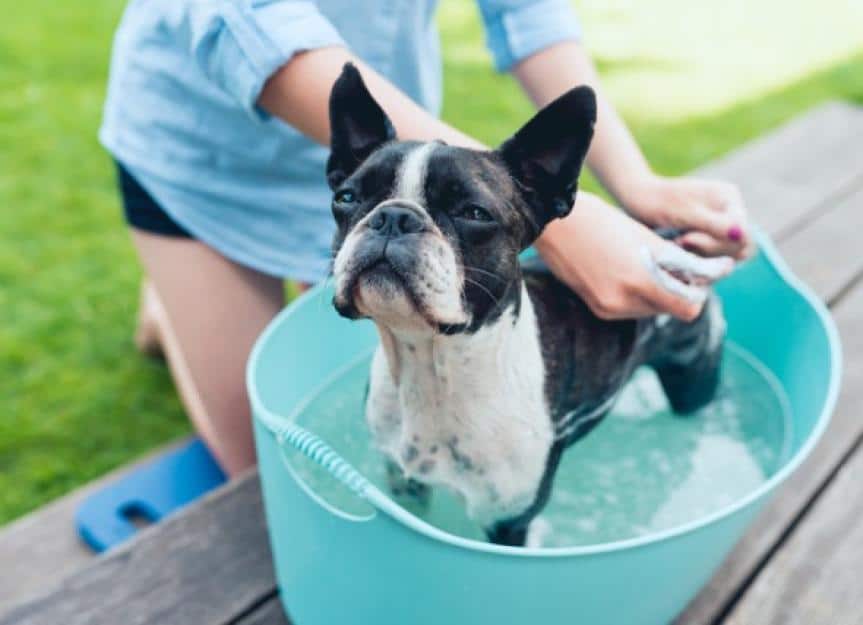
Bathing your dog with herbal teas doesn’t have to be complicated. The key is to follow a clear, gentle process that maximizes the soothing effects of the herbs while keeping your pet comfortable. First, gather all your supplies: the prepared herbal solution, a non-slip mat, a gentle dog-friendly shampoo (if needed), a cup or spray bottle for rinsing, and a clean towel. Ensure the bathing area is warm and quiet to help your dog relax. If this is your dog’s first herbal bath, start slowly and observe their reactions.
Begin by wetting your dog’s coat with lukewarm water, avoiding the face and ears initially. Then, apply your herbal infusion either by pouring it over your dog’s body or using a spray bottle for targeted application. Gently massage the solution into the coat and skin, paying special attention to areas with irritation or dryness. Allow the herbal solution to sit on your dog’s skin for 5-10 minutes, giving the herbs time to work. During this period, keep your dog calm and comfortable, offering praise and reassurance.
Finally, rinse your dog thoroughly with lukewarm water to remove any residual herbal solution. Be sure to avoid the face, eyes, and ears during rinsing. Dry your dog with a soft towel, and offer extra cuddles or treats to create a positive association with the herbal bath. For ongoing skin health, you can repeat this process weekly or as advised by your veterinarian. Always observe your dog during and after the bath for any signs of discomfort or allergic reactions, adjusting your approach as needed.
Tips for Ensuring Safety and Monitoring Your Dog During Herbal Baths
Safety is paramount when using herbal teas in your dog’s bathing routine. Start with small amounts of herbal solution to see how your dog reacts, especially if you’re trying a new herb for the first time. Keep a close eye on your dog’s skin and behavior during the bath. If you notice any redness, swelling, excessive scratching, or signs of discomfort, discontinue the herbal treatment immediately and consult your veterinarian. Always ensure the herbal solution is at a comfortable, lukewarm temperature to prevent burns or chills.
Monitoring your dog during and after the herbal bath is essential for a positive experience and safety. Watch for signs of allergic reactions, such as itching, swelling, or difficulty breathing. If your dog has sensitive skin, consider doing a patch test on a small area before full immersion. Additionally, observe how your dog responds to the aroma of the herbs—some may be calming, but others could cause discomfort or nausea. If your dog shows any adverse reactions, rinse with clean water and seek veterinary advice as needed.
Finally, remember that herbal baths are just one part of your dog’s overall skincare routine. Maintain regular grooming, balanced nutrition, and prompt treatment of skin issues to ensure your dog’s skin remains healthy and resilient. Always follow your veterinarian’s guidance regarding the frequency and specific herbs to use. With care, attention, and proper preparation, herbal teas can be a safe, natural way to keep your dog’s skin healthy, soothed, and happy.
Conclusion
Incorporating herbal teas into your dog’s bathing routine can be a wonderful way to promote healthy, soothing skin naturally. From understanding the benefits—such as reducing inflammation and calming irritation—to selecting safe herbs like chamomile and calendula, each step is crucial for a safe and effective herbal bath. Proper preparation of herbal solutions ensures maximum benefits, and following a gentle, step-by-step bathing process helps your dog enjoy a calming experience. Remember, safety and vigilance are key: always monitor your pet during and after the bath, adjusting your approach based on their reactions.
By integrating herbal teas thoughtfully into your grooming routine, you can provide your dog with a natural, soothing treatment that enhances their skin health and overall well-being. These baths are a gentle, chemical-free alternative that can complement medical treatments or serve as a preventive measure. With patience, care, and attention to detail, herbal baths can become a beloved part of your dog’s wellness routine—leaving them refreshed, comfortable, and happy.