


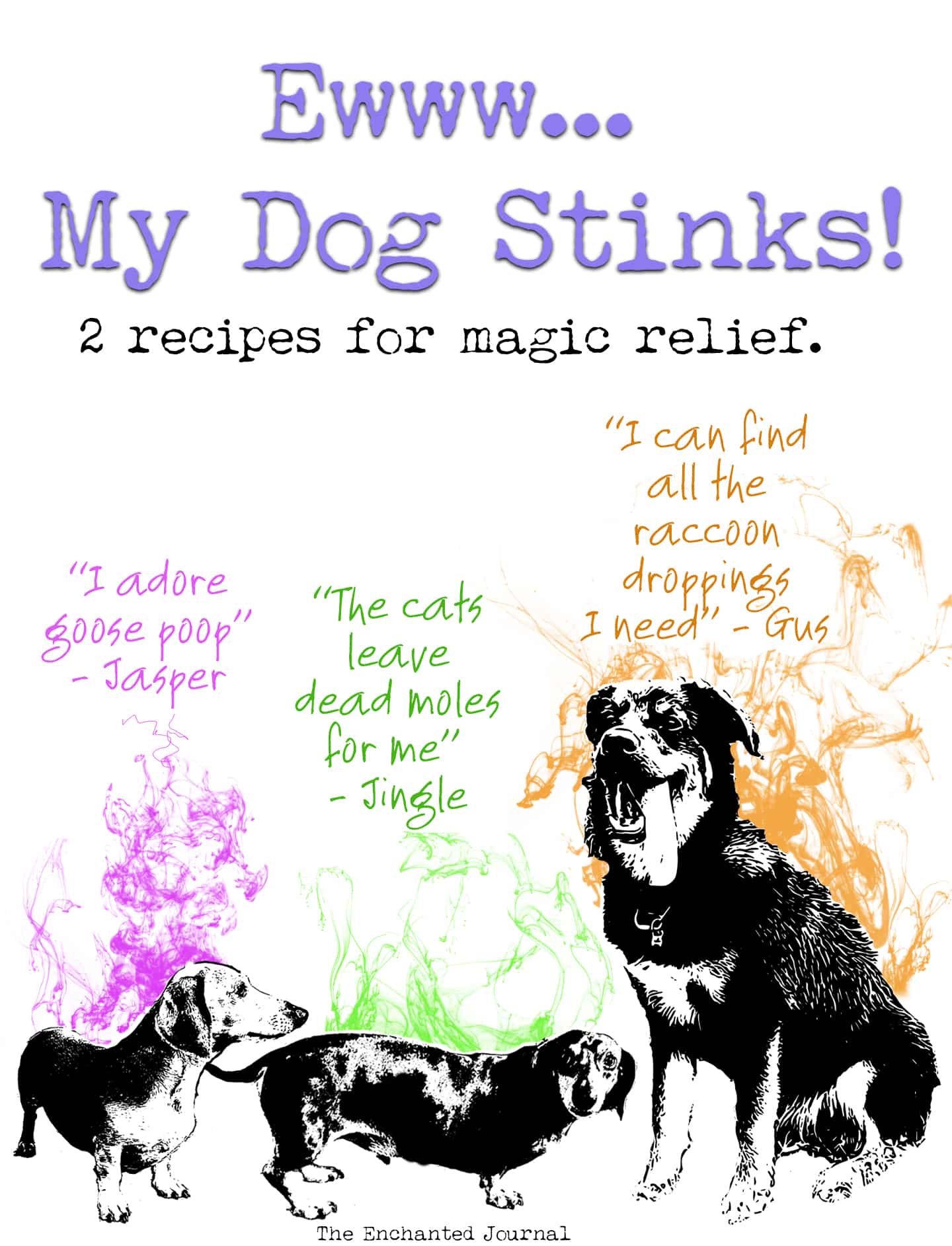
How to Make Your Dog Smell Great Naturally Without Perfume
A fresh-smelling dog isn’t just about keeping your home smelling nice—it’s also about ensuring your pet’s health and comfort. While many pet owners turn to artificial perfumes or sprays, these can sometimes irritate sensitive skin or cause allergies. Fortunately, there are natural, safe ways to keep your dog smelling great without relying on artificial fragrances. In this comprehensive guide, we’ll explore effective strategies—from understanding the root causes of dog odor to establishing routines that naturally promote a clean, fresh scent. Let’s dive into how you can make your furry friend smell delightful, naturally!
Understanding the Causes of Dog Odor and How to Address Them
Dog odor can often seem mysterious or persistent, but understanding its root causes is the first step toward managing and preventing unpleasant smells. Common sources of dog odor include skin infections, poor hygiene, diet, and even health issues like allergies or dental problems. Recognizing these factors helps you target the problem more effectively rather than simply masking it with perfumes.
One of the most frequent causes of dog odor is bacterial or yeast infections on the skin, which thrive in warm, moist environments. These infections can cause a distinctive foul smell and are often accompanied by redness, itching, or irritation. Regular health checks with your veterinarian can help identify and treat such issues early. Additionally, poor grooming or infrequent bathing allows dirt, oil, and dead skin cells to accumulate, contributing to a natural, unpleasant odor. Your dog’s diet can also influence their scent—foods that are too greasy or contain artificial additives may lead to a more pronounced smell. Lastly, dental health plays a key role; bacteria in the mouth and plaque buildup produce bad odors, often called doggy halitosis.
Addressing these causes involves more than just bathing your dog. It requires a holistic approach: maintaining good hygiene, providing a healthy diet, regular veterinary check-ups, and proper dental care. Identifying underlying health issues early can prevent persistent or strong odors. By focusing on your dog’s overall health and hygiene, you can keep them smelling fresh naturally—not just temporarily masking bad smells with perfume.
Establishing an Effective Bathing Routine for a Fresh-Smelling Dog
One of the most straightforward ways to keep your dog smelling clean and fresh is through a consistent bathing routine. The key is to find a balance—bathing too often can strip natural oils, leading to dry skin and irritation, while infrequent baths can allow dirt and oils to accumulate. For most dogs, bathing every 4 to 8 weeks works well, but this can vary based on breed, activity level, and skin sensitivity.
When giving your dog a bath, opt for mild, natural shampoos formulated for dogs. Look for gentle ingredients like oatmeal, aloe vera, or herbal extracts, which cleanse without irritating the skin or stripping away natural oils. Avoid shampoos with artificial fragrances or harsh chemicals, as these can sometimes cause allergic reactions or leave residues that contribute to odor. Additionally, thoroughly rinsing your dog is crucial—any leftover soap residue can cause itching or irritation that worsens odor over time.
During the bath, pay attention to areas prone to odor buildup, such as the ears, paws, and under the tail. Use a soft cloth or a gentle brush to clean these areas, and consider using natural, pet-safe wipes or rinses for spots that don’t require a full bath. After bathing, make sure to dry your dog thoroughly—damp fur is a breeding ground for bacteria and yeast that produce foul smells. Incorporate a natural conditioner if needed, which can help keep the coat shiny and healthy, contributing to a fresh scent that lasts longer.
Using Natural Remedies and Safe Products to Freshen Your Dog’s Scent
Natural remedies are a wonderful way to add an extra layer of freshness to your dog’s scent without synthetic perfumes. Many natural ingredients have antimicrobial, deodorizing, and soothing properties that help combat odor-causing bacteria and yeast—making them perfect for odor control. For example, apple cider vinegar diluted with water can be used as a natural rinse to balance skin pH and inhibit bacterial growth; just ensure it’s well diluted to avoid skin irritation.
Herbal infusions like chamomile, calendula, or lavender can be added to your dog’s bath water or used as a gentle spray to freshen up the coat. These herbs possess natural antimicrobial and calming properties, helping your dog smell great while also soothing irritated skin. For example, a lavender-infused water spray can be lightly misted onto your dog’s coat after brushing, providing a subtle, natural scent that isn’t overpowering. Similarly, baking soda is a well-known odor absorber—adding a small amount to your dog’s bath or sprinkling it onto the coat before brushing can neutralize smells effectively.
When choosing products, always look for natural, pet-safe options. Avoid any commercial sprays or freshening products containing alcohol, artificial fragrances, or harsh chemicals. Instead, opt for homemade solutions or natural grooming products designed specifically for dogs. Regularly using these remedies not only helps maintain a fresh scent but also promotes a healthier coat and skin, reducing issues that cause persistent odors.
Maintaining Oral and Dental Hygiene to Prevent Unpleasant Odors
A common source of dog odor that often gets overlooked is bad breath—but it’s also a significant contributor to overall unpleasant smells. Proper dental hygiene is essential to prevent bacteria buildup in the mouth, which produces foul odors. Brushing your dog’s teeth regularly with a natural, pet-safe toothpaste (such as one made with baking soda or coconut oil) is the most effective method to combat halitosis and maintain fresh breath.
In addition to regular brushing, providing your dog with dental chews, toys, or natural treats that promote oral health can help reduce plaque and tartar buildup. Incorporate natural ingredients like coconut oil or herbs such as parsley into your dog’s diet, as these can naturally freshen breath and inhibit bacterial growth. Routine professional dental cleanings by your veterinarian are also recommended for dogs prone to dental issues or persistent bad breath.
Beyond the mouth, maintaining overall oral hygiene involves checking the gums and tongue regularly for signs of infection or inflammation. Keeping your dog’s mouth healthy directly impacts their overall scent, making a noticeable difference in how fresh they smell. Remember, a clean mouth isn’t just about fresh breath; it’s tied closely to your dog’s health, comfort, and overall scent profile.
Implementing Regular Grooming and Coat Care for Long-Lasting Freshness
Beyond baths and dental care, regular grooming and coat maintenance play a crucial role in keeping your dog smelling naturally fresh. Brushing your dog’s coat daily or several times a week helps remove loose hair, dirt, and odors trapped in the fur. This routine also distributes natural oils evenly across the coat, giving it a healthy shine and reducing the buildup of smells.
For long-haired breeds, keeping the coat trimmed or well-maintained prevents mats and dirt accumulation that can trap smells. Regularly checking and cleaning areas like the ears, paws, and underarms is vital, as these spots tend to harbor bacteria and fungi that produce persistent odors. Using natural grooming products—such as herbal-infused sprays or wipes—can help keep these areas fresh between baths and reduce the need for frequent bathing, which can dry out the skin.
In addition to brushing and trimming, massage your dog with natural oils like coconut or jojoba occasionally to promote healthy skin and a delightful scent. These oils have antimicrobial properties and can help prevent skin issues that often lead to odor. Long-term, establishing a grooming routine tailored to your dog’s breed and skin type will ensure they stay smelling great naturally and enjoy a comfortable, healthy coat.
Conclusion
Keeping your dog smelling fresh naturally doesn’t have to be complicated or rely on artificial perfumes. By understanding the root causes of odor—from skin issues and diet to dental health—you can implement targeted strategies that promote a clean, healthy, and naturally delightful scent. Establishing a consistent bathing routine with gentle, natural products, using homemade remedies like herbal rinses and baking soda, and maintaining good oral hygiene are all essential steps. Additionally, regular grooming and coat carenot only improve your dog’s appearance but also help sustain that fresh scent for longer periods.
Choosing natural, pet-safe products and routines ensures your dog remains comfortable and healthy while smelling great without harsh chemicals or artificial fragrances. Remember, a well-cared-for dog with good hygiene and health will naturally be more pleasant-smelling and happier overall. So, embrace these natural practices, and enjoy the wonderful, fresh scent of your beloved furry friend—naturally, and safely!