


How to Safely Wash a Dog with Noise Anxiety: Tips for a Calm Bath
Bath time can be a stressful ordeal for many dogs, but for those with noise anxiety — dogs that are particularly sensitive to loud sounds — it can become an overwhelming experience. Loud noises from running water, splashing, or even the sound of the bath itself can trigger panic, leading to a stressful and sometimes dangerous situation for both pet and owner. If your furry friend exhibits signs of noise phobia, it’s essential to approach bath time with patience, preparation, and a clear strategy to make the experience safe, soothing, and even enjoyable. This guide will walk you through understanding your dog’s fears, preparing a calm environment, using gentle handling techniques, selecting appropriate supplies, and following a step-by-step bathing process that prioritizes your pet’s well-being.
Understanding Your Dog’s Fear of Loud Sounds and Its Impact on Bath Time
Many dogs develop noise fears due to past traumatic experiences, genetics, or a lack of early socialization to various sounds. Dogs with noise anxiety often react to sudden or loud noises by trembling, hiding, barking, or even panicking. When it comes to bath time, the sound of running water, splashing, or even the noise of a handheld showerhead can be perceived as threatening. Recognizing these signs is crucial because they help you tailor an approach that minimizes stress and keeps your dog safe.
The impact of noise anxiety during bathing extends beyond mere discomfort. A stressed dog may attempt to escape, bite, or become physically reactive, risking injury for both pet and owner. Chronic fear can also interfere with regular grooming routines, leading to poor hygiene, skin issues, or infections. Therefore, understanding your dog’s specific triggers is the first step toward creating a safe bathing process. Observe how your dog reacts to everyday noises—does the sound of running water cause trembling? Does a sudden splash cause a panic response? Gathering this insight allows you to develop strategies to desensitize or counter-condition these triggers over time.
Furthermore, understanding the emotional state of a noise-anxious dog can help in building trust and reducing future fears. Dogs are highly perceptive of their owner’s demeanor, so maintaining a calm, confident attitude during bath time can help reassure your pet. Remember, the goal is not just to get clean but to make bath time a positive experience, or at least a less traumatic one, by respecting your dog’s emotional boundaries and fears.
Preparing a Calm and Quiet Environment for Washing Your Anxious Dog
Creating a tranquil bathing space is essential for dogs with noise fears. Start by choosing a quiet, low-traffic area in your home, such as a bathroom or laundry room, where distractions are minimal. Dim lighting can also help reduce sensory overload—bright, fluorescent lights may add to your dog’s stress. Before bathing your dog, clear the area of unnecessary clutter and turn off any appliances or electronics that might produce unexpected sounds, like loud fans, televisions, or radios.
Reducing auditory stimuli is critical when dealing with noise-sensitive dogs. You can use background noise like soft classical music or white noise to mask sudden, startling sounds. These soundscapes can help drown out the noise of running water or splashing, creating a more predictable environment. Additionally, consider using a non-slip mat in the bathing area to prevent slips and provide a sense of security for your dog. Familiar items such as their favorite blanket or toy placed nearby can also offer comfort, giving your dog a sense of security during the process.
Finally, planning the timing of the bath when your dog is calm or tired can make a big difference. Avoid bath time when your dog is overly energetic or anxious already. After exercise or a walk, they might be more relaxed, helping them adjust better to the bathing routine. Consistency also plays a role—try to bathe your dog at the same time and in the same environment, so it becomes part of their routine and less of an unpredictable event. Small, gradual steps toward creating a peaceful environment can significantly reduce your dog’s noise-related fear.
Techniques for Gentle Handling and Stress Reduction During Bathing
Handling a noise-anxious dog requires patience, a calm voice, and gentle techniques. Start by speaking softly and reassuringly before and during the bath, using comforting words and a gentle tone to help your dog feel secure. Avoid sudden movements or abrupt handling, which can escalate anxiety. Instead, use slow, deliberate gestures to encourage cooperation. If your dog begins to show signs of stress, take a break or pause to let them settle down before proceeding.
Using positive reinforcement is a powerful tool to help your dog associate bath time with good experiences. Offer treats, praise, or petting whenever your dog remains calm or cooperates during the process. Over time, these rewards can help build positive associations with bath time, reducing fear. Additionally, consider employing calming aids such as pheromone diffusers or calming sprays designed for dogs, which can help lower anxiety levels. You might also explore gentle massage techniques to soothe muscle tension before starting the bath.
For dogs with severe noise fears, employing desensitization and counter-conditioning techniques can be beneficial. Gradually introduce the sound of water or the sensation of bathing in a controlled manner—perhaps by playing recordings of water sounds at a low volume while offering treats, then slowly increasing the volume over time. This process helps your dog learn that the sound is not threatening. Always prioritize your dog’s emotional comfort, and don’t force them into the bath if they become too distressed. Patience and a gentle approach are key to reducing stress and promoting trust.
Selecting the Right Supplies and Accessories to Minimize Noise and Disruption
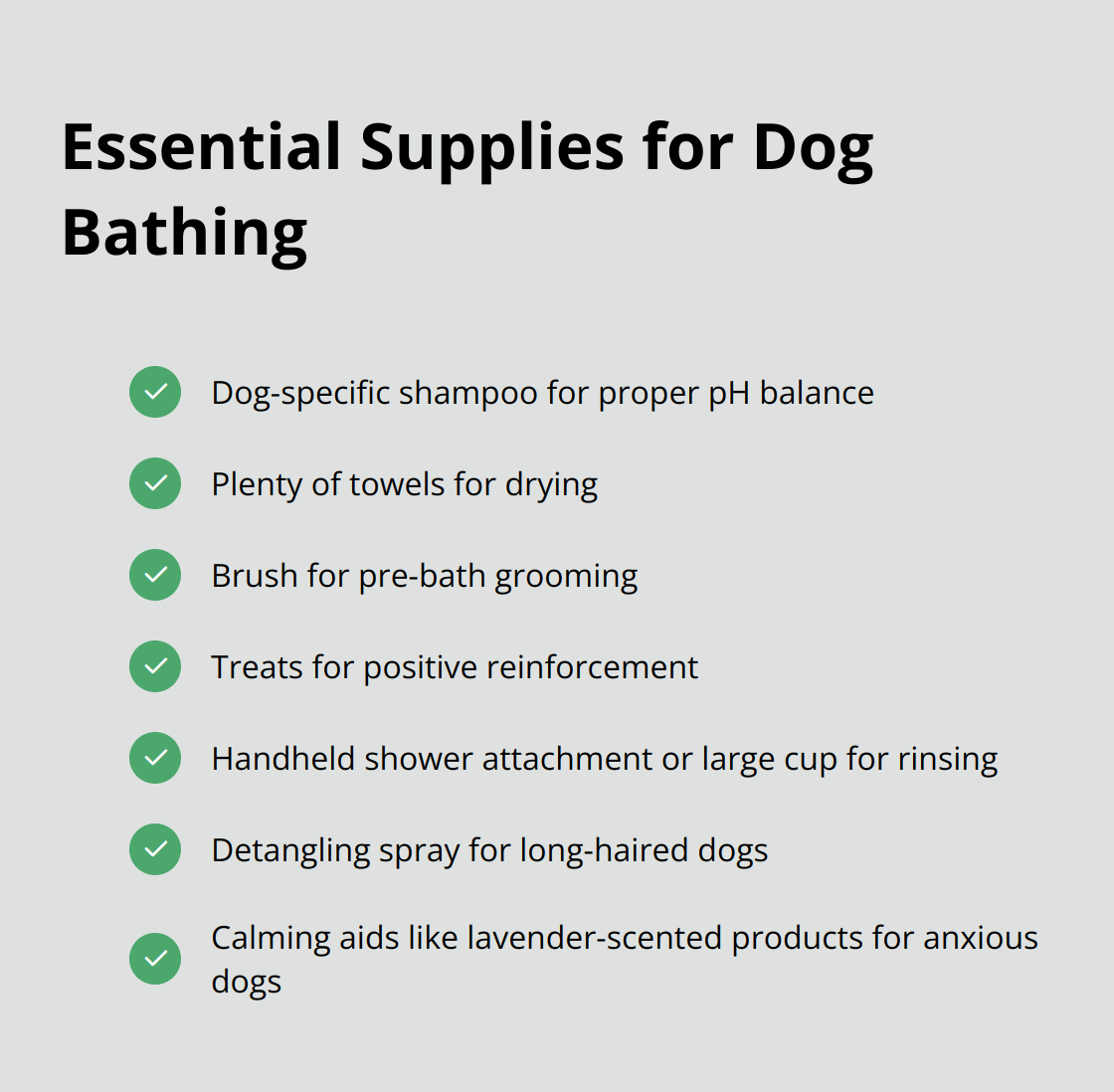
Choosing appropriate bathing supplies can significantly influence your dog’s comfort and safety. Use a handheld showerhead with adjustable water pressure to control the sound and force of water, which can help prevent startling your dog. Opt for a gentle, dog-specific shampoo that is free from harsh chemicals and fragrances, which can irritate sensitive skin or provoke additional stress.
Non-slip mats or towels in the bathing area can help your dog feel more secure by preventing slipping and providing a familiar tactile sensation. Additionally, having all your supplies—shampoo, towels, brushes—ready within reach minimizes the need to leave your dog unattended or search for items mid-bath, which can cause agitation. For noise reduction, consider using insulated or soundproof mats around the bathing area if external noises are a concern, or place a towel or blanket over the area to muffle sounds.
Finally, accessories like a gentle spray nozzle, a bathing sling, or a harness can help you better control and support your dog during the bath. These tools allow for more gentle handling, helping to reduce sudden movements and conserve your dog’s energy. Avoid using high-pressure water streams or noisy appliances that can trigger a fear response. The goal is to create a safe, predictable, and quiet environment where your dog feels supported and less vulnerable.
Step-by-Step Guide to Bathing a Dog with Noise Phobia for a Safe and Comfortable Experience
1. Prepare the Environment and Supplies: Before bringing your dog into the bath area, gather all supplies, ensure the environment is quiet and dimly lit, and set up non-slip mats. Have treats ready for positive reinforcement.
2. Introduce Water Gradually: Start by letting your dog sniff the showerhead or faucet and get accustomed to the water’s presence. Use a gentle spray at a low pressure, or pour some water slowly onto a towel or your hand to introduce the sensation gradually.
3. Use Calm Handling and Verbal Reassurance: Throughout the process, speak softly, praise your dog for calm behavior, and handle them gently. If your dog shows signs of stress, pause and offer treats or a calming word before proceeding.
4. Wet Your Dog Carefully: Use the handheld showerhead or a cup to apply water slowly, starting from the legs and moving upward. Keep the water flow gentle and controlled, avoiding sudden splashes that can startle.
5. Apply Shampoo and Rinse: Use a dog-specific, gentle shampoo, lathering softly, and then rinse thoroughly with warm, not hot, water. Maintain a steady, gentle stream, and reassure your dog throughout.
6. Dry Gently and Comfortably: After rinsing, use a soft towel to gently pat your dog dry. If your dog tolerates it, use a low-heat hairdryer set to a quiet setting, keeping it at a safe distance. Continue to speak soothingly, and reward calm behavior.
7. End on a Positive Note: Once dry, offer treats, praise, and gentle petting to reinforce that bath time ended well. Keep the routine consistent so your dog knows what to expect next time.
Conclusion: Making Bath Time a Calm and Safe Routine for Noise-Anxious Dogs
Bathing a dog with noise anxiety may require extra patience and preparation, but it is entirely achievable with the right approach. Understanding your dog’s specific fears, creating a soothing environment, employing gentle handling techniques, choosing appropriate supplies, and following a gradual, step-by-step process can transform a stressful experience into a manageable, even pleasant routine. Remember, the key is to prioritize your dog’s emotional comfort, respect their limits, and reinforce positive associations. Over time, these strategies can help your furry friend feel safer and more secure during bath time, leading to better hygiene and a stronger bond built on trust.
By taking small, consistent steps and practicing patience, you can ensure that your dog’s bath time becomes a safe, calm, and stress-free experience. Don’t forget to consult with your veterinarian or a professional dog trainer if you need additional guidance tailored to your pet’s specific needs. Happy bathing!