


How to Reduce Dog Shedding with Effective Bathing Tips
If you’re a dog owner, you’ve probably noticed your furry friend shedding more than usual at some point. Shedding is a natural process that helps dogs get rid of old, damaged hair, but excessive shedding can become a homeowner’s nightmare—clogging your vacuum, covering your furniture, and making grooming seem like an endless battle. The good news? Proper bathing routines and grooming techniques can significantly reduce shedding, making life easier for both you and your dog. In this article, we’ll explore how bathing influences shedding, how to choose the right products, establish an effective routine, and additional tips to keep shedding under control.
Understanding the Link Between Bathing and Dog Shedding
Shedding is a normal part of a dog’s life, but excessive shedding often signals underlying issues, such as skin problems, poor nutrition, or environmental factors. Bathing plays a crucial role in managing shedding because it helps remove loose hair and prevent matting, which can trap dead fur and exacerbate hair loss. When done correctly, bathing can also promote healthier skin and coat, reducing the need for excessive shedding.
It’s important to recognize that frequent bathing isn’t necessarily the answer. Overbathing can strip natural oils from your dog’s skin, leading to dryness, irritation, and even more shedding. On the other hand, infrequent baths might allow dirt and loose hair to accumulate, worsening shedding and skin issues. Striking the right balance—bathe your dog enough to keep the coat healthy and free of excess hair—can result in a noticeable reduction in shedding over time. Understanding your dog’s breed, coat type, and skin condition is essential in tailoring your bathing routine effectively.
Another key aspect is the condition of your dog’s skin. Healthy skin produces a well-maintained coat, which sheds more uniformly and less excessively. Regular bathing with the proper products can help manage common skin conditions like allergies, dryness, or irritation that often lead to increased shedding. Monitoring your dog’s skin health and adjusting bathing frequency accordingly is vital. When combined with other grooming practices, bathing becomes a powerful tool in controlling shedding and promoting overall coat health.
Selecting the Right Shampoo and Grooming Products for Shedding Control
Choosing the right grooming products is fundamental to controlling shedding through bathing. Not all shampoos are created equal—many commercial shampoos contain harsh chemicals that can strip natural oils and irritate sensitive skin, leading to increased shedding. Look for shampoos formulated specifically for shedding reduction or those containing ingredients like Omega-3 fatty acids, aloe vera, oatmeal, or coconut oil, which nourish the skin and coat.
A good shedding control shampoo should gently cleanse while maintaining the skin’s moisture barrier. Natural or hypoallergenic options are often best, especially for dogs with sensitive skin or allergies. Some shampoos also contain enzymes or botanical extracts that help loosen dead hair and promote a healthy coat. When selecting products, consider your dog’s coat type—long-haired breeds may require more conditioning, while short-haired breeds benefit from lightweight formulas. Always read product labels and consult your veterinarian if you’re unsure which shampoo suits your dog’s specific needs.
In addition to shampoo, grooming products such as conditioners, deshedding sprays, and brushes can complement bathing efforts. Conditioners help keep the coat smooth and less prone to breakage, reducing the amount of loose hair. Deshedding sprays contain ingredients like omega fatty acids or natural oils that loosen and remove dead hair before it falls. Combining these products with a gentle, appropriate shampoo ensures your dog’s coat remains healthy, well-hydrated, and less prone to excessive shedding—making grooming sessions more effective and less stressful.
Establishing an Effective Bathing Routine to Minimize Shedding
Consistency is key when it comes to managing dog shedding through bathing. Establishing a routine that suits your dog’s breed, coat type, and lifestyle can make a significant difference. For most dogs, a bath every 4 to 8 weeks is sufficient—more frequent bathing may strip essential oils, while longer gaps can allow dirt and loose hair to accumulate. Developing a routine helps keep shedding manageable and keeps your dog’s coat shiny and healthy.
Timing your baths is also important. Bathing after outdoor activities or muddy walks can prevent dirt build-up, while regular baths help loosen and remove loose fur. Use lukewarm water and gentle, dog-specific shampoos to avoid skin irritation. During the bath, focus on thorough rinsing to remove all shampoo residue, which can otherwise lead to skin dryness. Finishing with a conditioner or deshedding treatment can further enhance the coat’s health and reduce loose hair.
In addition to baths, regular brushing between baths is crucial. Brushing helps remove shed hair before it falls around your home and stimulates natural oil production. Combining bathing with consistent grooming creates a comprehensive approach to reducing shedding, promoting a cleaner living space, and maintaining your dog’s comfort. Remember, patience and routine are essential—your dog will adapt over time, and you’ll notice a gradual decrease in shedding as you stick to your grooming schedule.
Techniques for Proper Bathing and Brushing to Reduce Hair Loss
Proper bathing techniques are vital to effectively control shedding without causing discomfort or skin issues. Always use a gentle, dog-specific shampoo, and avoid hot water as it can dry out the skin. Wet your dog thoroughly before applying shampoo, working it into a rich lather from neck to tail, making sure to reach the undercoat and skin. Be gentle and avoid vigorous scrubbing, which can irritate sensitive skin and damage hair follicles. Rinse thoroughly to remove all soap residues, which can cause dryness or itchiness.
When it comes to brushing, the right technique can significantly reduce loose hair and prevent matting, both of which contribute to shedding. Use a brush suited to your dog’s coat type—slicker brushes for long-haired breeds, bristle brushes for short-haired dogs, and deshedding tools for heavy shedders. Brush gently in the direction of hair growth, paying special attention to areas prone to matting like behind the ears, under the collar, and around the tail. Regular brushing not only removes loose fur but also distributes natural oils, resulting in a shinier, healthier coat.
Incorporating proper drying techniques is also important. Pat your dog dry with a towel rather than rubbing vigorously to avoid skin irritation and hair breakage. For dogs with thick or long coats, using a blow dryer on a cool or low heat setting can help remove loose fur more efficiently. Maintaining a gentle, consistent approach during bathing and brushing sessions ensures your dog remains comfortable and reduces stress, making grooming a positive experience that effectively minimizes shedding over time.
Additional Tips for Managing Dog Shedding Alongside Bathing Efforts
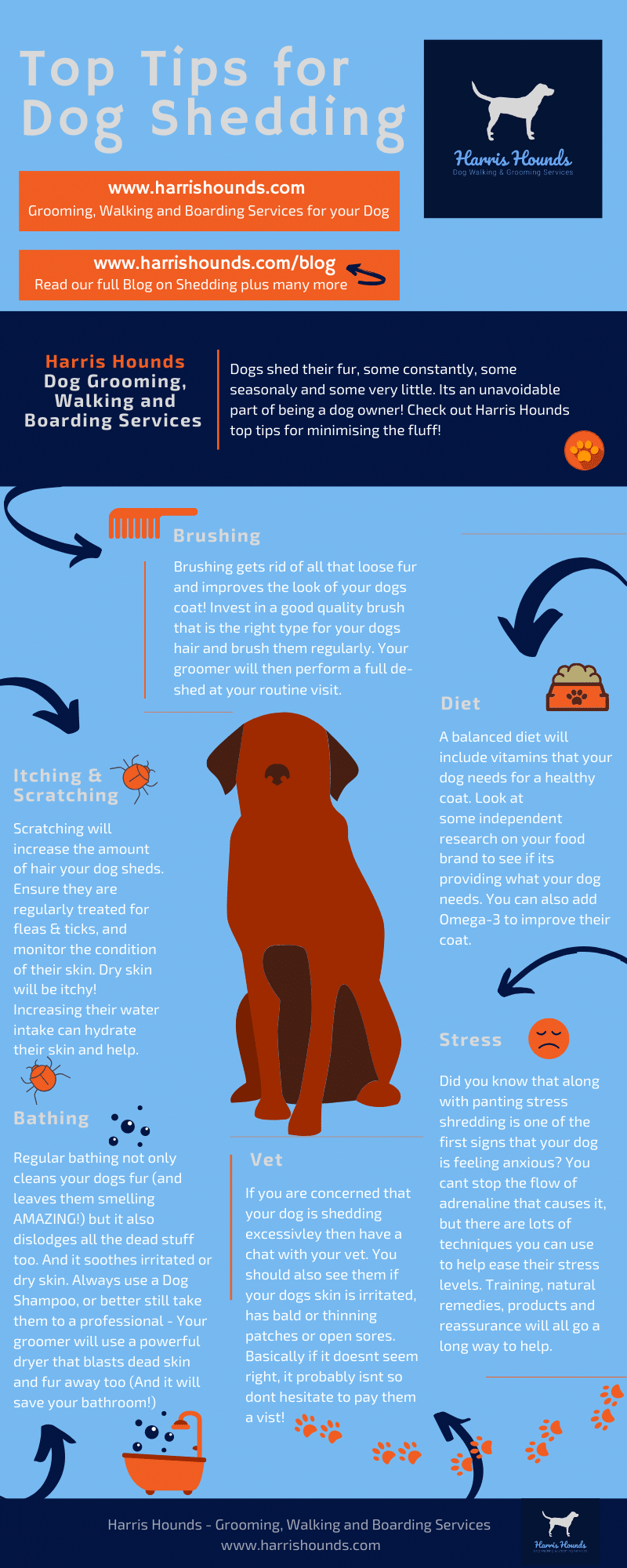
While bathing and grooming are powerful tools against excessive shedding, additional strategies can help maximize your results. Nutrition plays a significant role—feeding your dog a balanced diet rich in omega-3 and omega-6 fatty acids supports healthy skin and shiny coat, naturally reducing shedding. Supplements such as fish oil can be beneficial, but always consult your veterinarian before adding new nutrients to your dog’s diet.
Environmental management is equally important. Regularly vacuum your home, wash your dog’s bedding, and keep your living space clean to prevent loose fur from accumulating. Using furniture covers or slipcovers can make cleanup easier and protect your upholstery from shedding. Moreover, maintaining a stress-free environment helps prevent stress-induced shedding; regular exercise, mental stimulation, and a calm environment contribute to overall health and coat condition.
Finally, consider professional grooming services for breeds prone to heavy shedding or challenging coats. Groomers can provide specialized deshedding treatments, trims, and advice tailored to your dog’s needs. Combining these holistic approaches with proper bathing routines creates a comprehensive strategy to reduce shedding effectively, resulting in a happier, healthier dog and a cleaner home.
Conclusion
Managing dog shedding doesn’t have to be a daunting task. With a well-planned bathing routine, selecting the right grooming products, and employing proper techniques, you can significantly reduce excess hair around your home. Remember that consistent grooming, a balanced diet, and a healthy environment are all integral parts of the shedding control puzzle. By understanding your dog’s unique needs and establishing a tailored grooming regimen, you’ll foster a healthier coat and enjoy a cleaner living space. Take these tips to heart, and soon you’ll see your dog’s shedding become much more manageable—making grooming a bonding experience rather than a chore.