

How to Wash Your Dog After the Dog Park: Tips for a Clean, Happy Pup
Taking your dog to the park is one of the greatest joys for pet owners—your pup gets exercise, socialization, and mental stimulation. But after a fun day exploring, running, and rolling in the dirt, your furry friend often comes home covered in mud, mud, and whatever else they managed to find. A thorough bath isn’t just about cleanliness; it’s about maintaining your dog’s health, comfort, and happiness.
In this guide, we’ll walk you through everything you need to know about washing your dog after a trip to the dog park. From preparing your supplies to choosing the right shampoo, and even tips for maintaining a clean coat in between baths—this comprehensive approach will ensure your pup stays clean, odor-free, and feeling their best. Let’s dive in and make bath time a positive experience for both of you!
Preparing for the Dog Wash: Gathering Supplies and Choosing the Right Location
Getting ready before bath time can make all the difference in creating a stress-free and efficient experience. First, gather all necessary supplies—this includes dog-specific shampoo, towels, a brush or comb, and possibly a non-slip mat for the bathing area. Using dog-friendly products is crucial because human shampoos can be too harsh for their sensitive skin, leading to irritation or dryness. Consider selecting a gentle, hypoallergenic shampoo if your dog has skin sensitivities or allergies.
Choosing the right location is equally important. A bathtub, outdoor hose, or designated dog wash station works well depending on your space and weather conditions. An outdoor setup can be convenient if you want to rinse off muddy paws and fur immediately after the park; just ensure you have a privacy shield or barrier if needed. Indoors, a bathtub or a large sink with a non-slip surface provides stability and control. Place towels nearby for quick cleanup, and set up the water temperature to warm—too hot can scald, and too cold may cause discomfort. Also, consider using a leash or harness to keep your dog steady during the bath, especially if they’re nervous or excitable.
Lastly, prep your dog by giving them a quick brush before the bath. Removing loose fur and detangling mats can make washing more effective and reduce the risk of skin irritation. If your pup is particularly anxious about baths, incorporating treats and positive reinforcement during preparations can ease their nerves, setting a calm tone for the entire process.
Safely Removing Dirt and Debris from Your Dog’s Coat After the Park Visit
Once you’ve chosen your location and gathered your supplies, the next step is to carefully remove dirt, mud, and debris from your dog’s coat. This initial cleaning helps prevent matting and reduces the amount of grime that ends up in your bathwater. Use your hands or a gentle brush to loosen and lift dirt from the fur—start from the head and work your way down to avoid pushing debris into sensitive areas. For stubborn mud or thick dirt, a damp cloth or pet wipe can be very effective without overly stressing the dog.
Pay special attention to areas like paws, belly, and ears, which tend to be the dirtiest after a park visit. Paws can trap mud and small stones, so use a damp cloth or a soft brush to clean between the toes and pads. If your dog’s coat is particularly matted or tangled, gently detangling before bathing can prevent discomfort and make the wash more effective. Some owners find rinsing with lukewarm water before applying shampoo helps to loosen dirt, especially in heavily soiled areas.
Be patient and gentle throughout—rushing or using harsh scrubbing can cause your dog to become anxious or resistant. If your pup is particularly muddy, consider rinsing them with a hose or shower before applying shampoo. This pre-wash step can cut down on soap usage and make the entire process smoother for both of you. Remember, thorough yet gentle cleaning after the park keeps your dog comfortable and ensures a more effective bath.
Selecting the Appropriate Dog Shampoo and Bathing Technique for Your Pet
Choosing the right shampoo is essential for keeping your dog’s skin healthy and coat shiny after a park adventure. The market offers a variety of options—from all-natural, hypoallergenic formulas to medicated shampoos for specific skin conditions. If your dog has sensitive skin, opting for a gentle, tear-free, and fragrance-free shampoo is a smart move. For dogs prone to flea or tick issues, specialized medicated shampoos can help, but consult your veterinarian before use.
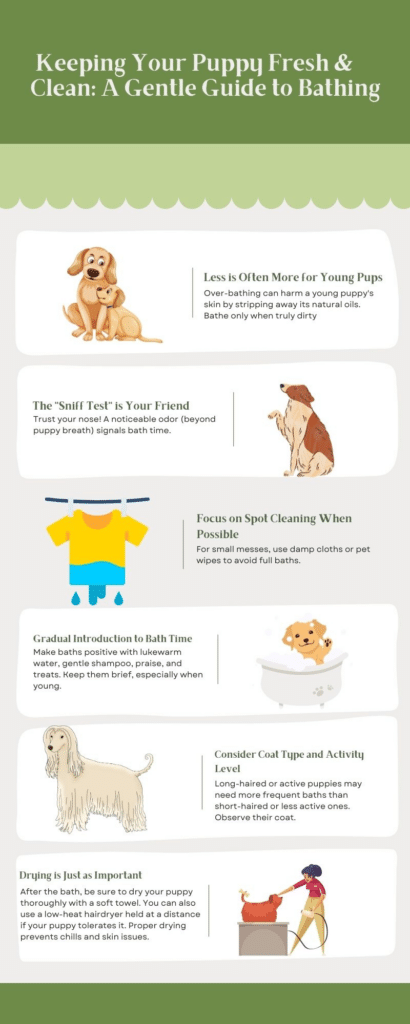
Bathing technique also plays a critical role in ensuring your dog’s comfort and cleanliness. Start by thoroughly wetting your dog’s coat with lukewarm water, avoiding the eyes, ears, and nose. Use a gentle massage to distribute the shampoo evenly, working from the neck down through the back, chest, legs, and tail. Be sure to pay attention to areas prone to dirt and odor, such as the paws, underbelly, and around the ears. A good rule of thumb is to lather gently and avoid scrubbing aggressively, which can irritate the skin.
Rinsing is equally important—residual shampoo can cause itching or dry skin. Rinse thoroughly with lukewarm water until no soap residue remains. For dogs with longer coats, multiple passes with water may be necessary to ensure complete removal of shampoo. Once your dog is clean, consider finishing with a conditioner formulated for dogs to help detangle fur and add moisture. Proper bathing technique not only keeps your dog looking great but also supports healthy skin and coat integrity.
Rinsing and Drying Your Dog Post-Bath to Promote Skin Health and Comfort
After shampooing, it’s vital to rinse thoroughly to remove all soap residues, which can cause irritation or dryness if left behind. Use lukewarm water and ensure you reach all areas—under the legs, around the collar, and between the toes—since leftover suds can lead to itching or allergic reactions. Patience during this step ensures your dog’s skin remains healthy and reduces the chances of infections or hot spots that can develop from trapped moisture.
Drying your dog properly is just as important as washing. Towels are usually sufficient for most dogs, but some may benefit from a gentle blow-drying on a cool or low heat setting—especially breeds with thick or long fur. Be cautious about overheating, and keep the dryer moving constantly to avoid hot spots. Always keep the airflow away from the ears and face, as direct heat can cause discomfort or burns. A well-dried coat reduces the risk of fungal or bacterial growth and keeps your pup comfortable and happy.
In addition to towel and blow-drying, brushing your dog’s coat while it’s slightly damp can help prevent mats and tangles, especially in long-haired breeds. Regular drying and grooming after baths promote skin health by removing loose fur, dirt, and oil buildup. Remember, a dry, well-groomed coat not only looks better but also feels more comfortable for your dog—making future baths easier and more enjoyable for everyone.
Tips for Maintaining a Clean and Odor-Free Coat Between Baths
While regular baths are essential, maintaining your dog’s cleanliness between wash days can save time and keep odors at bay. Brushing your dog several times a week helps remove loose fur, dirt, and debris, preventing mats and reducing the buildup of oils that cause odors. Use a suitable brush or comb for your dog’s coat type, and consider deshedding tools for breeds with thick undercoats. This simple routine helps keep your dog fresh and less muddy after park visits.
In addition, using pet-safe wipes or spritzes designed for dogs can be helpful for quick cleanups of paws, face, and other problem areas. These wipes can remove surface dirt and odors without the need for a full bath. Regular ear cleaning, dental care, and trimming nails also contribute to overall hygiene, making bath time less of an ordeal. A clean, odor-free coat is not just about appearance but also about your dog’s health and comfort.
Lastly, pay attention to your dog’s diet and overall health, as these factors influence coat quality and odor. Providing a balanced diet rich in omega fatty acids, for example, can promote a shiny coat and reduce skin issues. Ensuring your dog is up to date on flea and tick preventatives also helps prevent skin irritations that could lead to odors or infections. With consistent grooming, good nutrition, and mindful maintenance, your furry friend can stay clean, happy, and fresh between baths.
Conclusion
Washing your dog after a visit to the dog park isn’t just about keeping them looking good; it’s a vital part of maintaining their health, comfort, and happiness. By preparing the right supplies and choosing an appropriate location, you set the stage for a successful bath time. Removing dirt and debris gently and thoroughly ensures your dog’s coat stays healthy and mats are prevented. Selecting the right shampoo and applying proper bathing techniques help keep your pup’s skin balanced and irritation-free.
Post-bath rinsing and drying are crucial steps that support overall skin health and comfort, while ongoing grooming practices between baths maintain cleanliness and reduce odors. Remember, patience and positive reinforcement can turn bath time into a bonding experience rather than a stressful chore. With these tips, your pup will not only be clean and odor-free but also happier and more relaxed after every adventure at the dog park. So, next time your dog comes home muddy and tired, you’ll be ready to give them a bath that keeps them feeling their best—clean, healthy, and ready for the next adventure!