


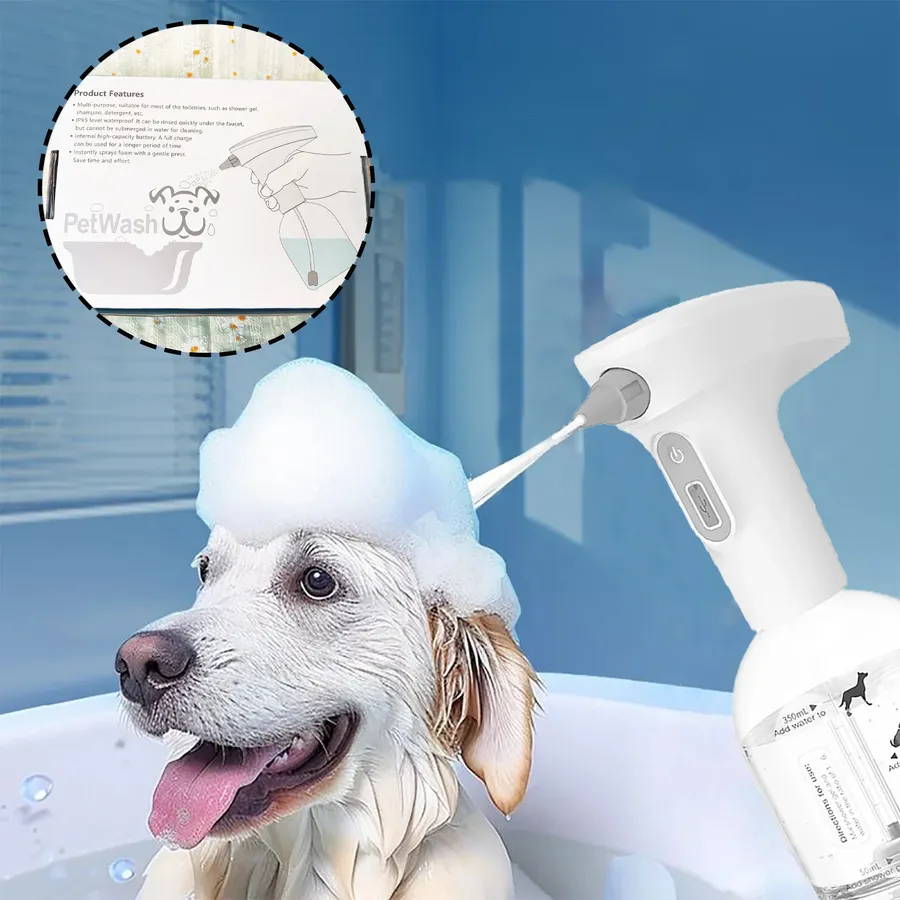
How to Protect Your Dog’s Eyes During a Bath: Simple Tips for Safe Cleaning
Bathing your dog is an essential part of pet care that keeps them clean, healthy, and happy. However, it’s easy to overlook the delicate and sensitive nature of your dog’s eyes during this process. Splashing water, shampoo, or accidental soap contact can cause irritation, discomfort, or even more serious eye injuries. That’s why knowing how to protect your dog’s eyes during a bath is crucial for ensuring a positive grooming experience that minimizes risks.
In this article, we’ll explore practical, well-researched tips on how to safeguard your dog’s eyes during bath time. From understanding common hazards to choosing the right techniques and products, these insights will help you bathe your furry friend safely, keeping their eyes healthy and irritation-free. Whether you’re a new pet owner or a seasoned dog parent, these simple tips will make bath time safer and more comfortable for your beloved pet.
Understanding Common Eye Hazards During Dog Baths
Bath time can seem straightforward, but it comes with specific eye-related hazards that pet owners should be aware of. The most common issues arise from water, shampoo, and soap getting into the eyes, which can cause discomfort or temporary irritation. Dogs with long hair, such as Shih Tzus or Cocker Spaniels, are particularly vulnerable because their hair can trap shampoo or water near their eyes, increasing the chance of accidental contact.
Another hazard is the use of harsh cleaning products. Many shampoos contain chemicals that, while effective at cleaning, can be irritating or harmful if they come into contact with your dog’s eyes. Some ingredients might cause redness, watering, or even more severe reactions if not rinsed thoroughly. Additionally, the physical aspect of bathing—such as splashing water or handling your dog roughly—can cause accidental injury to their eyes, especially if they squirm or resist.
Understanding these hazards helps you tailor your approach during bath time. Recognizing that some breeds are more prone to eye issues due to their facial structure or hair type can also inform preventive measures. For example, brachycephalic breeds with prominent eyes or breeds with long, floppy ears often require extra caution. Being aware of these dangers is the first step toward implementing effective protective measures during your dog’s bath.
Preparing Your Dog and Bathing Area for Eye Safety
Preparation is key to ensuring a safe and stress-free bathing experience that protects your dog’s eyes. First, gather all necessary supplies beforehand—this includes a gentle, veterinarian-recommended dog shampoo, a soft washcloth, towels, and any eye protection products you plan to use. Having everything within reach minimizes the need to leave your dog unattended or make sudden movements that could cause splashing or accidents.
Next, create a calm, controlled environment. Use a non-slip mat in the bathing area to prevent your dog from slipping or jerking suddenly, which could lead to eye injuries. Ensure the water temperature is lukewarm—not too hot or cold—to keep your dog relaxed. Before starting, gently brush your dog’s coat to remove loose hair and debris, which can help reduce the chances of foreign objects irritating or entering the eyes during the bath.
Finally, consider the layout and setup of your bathing space. Using a handheld showerhead or a cup for pouring water allows for better control, especially around the face. If your dog is particularly sensitive or anxious, try to minimize loud noises or sudden movements that might cause them to struggle or squirm. Proper preparation not only keeps your dog comfortable but also significantly reduces the risk of accidental eye injuries during bath time.
Proper Techniques for Washing Your Dog’s Face and Head
Knowing how to wash your dog’s face and head correctly is essential for protecting their eyes. Start by wetting your dog’s coat, avoiding the face area initially, to prevent water from splashing directly into their eyes. When you do reach the face, use a damp, soft washcloth or sponge instead of pouring water directly over it. This gentle approach helps control the amount of water that comes into contact with sensitive areas.
Apply shampoo sparingly and carefully around the face. Use your fingers or a soft cloth to gently clean around the eyes, ears, and nose, avoiding direct contact with the eyes themselves. When rinsing, do so slowly and gently, directing water away from the face as much as possible. If you notice shampoo or soap near your dog’s eyes, immediately rinse the area with clean, lukewarm water to prevent irritation.
During the process, keep your dog’s head elevated and steady to prevent sudden movements. Some owners find it helpful to support their dog’s chin or use a harness to stabilize them. If your dog resists or squirms, pause and give them a moment to calm down. Patience and gentle handling are key; rushing can lead to accidental splashes or scratches that may harm their eyes. Mastering these techniques ensures thorough cleaning without compromising eye safety.
Using Suitable Eye Protection Products for Dogs
While some pet owners rely on careful techniques alone, there are specific products designed to help protect your dog’s eyes during bath time. Dog-specific eye protection products include waterproof goggles, which are especially useful for dogs with sensitive eyes, long hair covering their face, or breeds prone to eye conditions. These goggles create a physical barrier, preventing water, shampoo, or soap from reaching the eyes altogether.
Another option is using tear-free, veterinarian-recommended shampoos formulated for dogs. These products are less irritating and are designed to be gentle around the eyes. When choosing a shampoo, look for labels indicating they are safe for facial application and rinse thoroughly. Avoid human shampoos or products containing harsh chemicals, as they can cause significant eye irritation or allergic reactions.
For added peace of mind, consider eye drops or rinses recommended by your veterinarian. These can help soothe the eyes if they become irritated or if your dog has pre-existing eye conditions. Using appropriate eye protection products, combined with proper bathing techniques, significantly reduces the risk of eye irritation or injury, making bath time safer and more comfortable for your dog.
Post-Bath Eye Care and Monitoring for Signs of Irritation
After bath time, it’s essential to perform a quick but thorough check of your dog’s eyes to catch any signs of irritation early. Look for redness, swelling, excessive watering, or discharge, which could indicate that shampoo or water entered the eye or that an irritation has occurred. Gently wipe around the eyes with a soft, damp cloth to remove residual shampoo or debris, but avoid rubbing or applying pressure.
If you notice any signs of discomfort or irritation, consult your veterinarian promptly. They may recommend eye drops or other treatments to soothe your dog’s eyes and prevent infection. Additionally, keep your dog from scratching or rubbing their face, as this can exacerbate irritation or cause further injury. Providing a calm environment and distraction, such as treats or gentle petting, can help prevent unnecessary trauma immediately after bathing.
Regularly monitoring your dog’s eyes during and after bath time helps you establish a routine of eye health care. If your dog has pre-existing eye conditions, follow your veterinarian’s specific instructions for post-bath cleaning and care. Remember, early detection of problems ensures prompt treatment and helps maintain your dog’s overall eye health, making future baths safer and more comfortable for everyone involved.
Conclusion
Protecting your dog’s eyes during bath time isn’t just about avoiding discomfort—it’s about safeguarding their overall health and happiness. By understanding common hazards, preparing the bathing area properly, applying gentle and correct washing techniques, choosing suitable products, and monitoring their eyes afterward, you can turn bath time into a safe, stress-free experience. Remember, patience and gentle handling go a long way in preventing accidental injuries and irritation.
Taking these simple yet effective steps demonstrates your love and responsibility as a pet owner. With the right precautions, bathing can become a positive routine that keeps your dog clean, healthy, and comfortable—eyes included. So next time you prepare for bath time, keep these tips in mind and ensure your furry friend’s eyes remain safe and irritation-free. Happy bathing!