


How to Wash a Dog with a Thick Undercoat: Tips for a Clean, Comfortable Coat
Keeping a dog with a thick undercoat clean and comfortable can sometimes feel like a daunting task. Their dense, double-layered coats are wonderful for insulation and protection but require special care during bathing to ensure they stay healthy and comfortable. If you’ve ever wrestled with a matted, shedding, or overly damp coat, you know that a proper bathing routine not only keeps your pet looking good but also contributes significantly to their overall health and well-being.
This guide will walk you through each step— from preparing your space and tools to choosing the right products and techniques— ensuring your furry friend’s coat remains clean, fluffy, and healthy. Whether you’re a seasoned dog owner or new to caring for breeds with thick undercoats like Siberian Huskies, Malamutes, or Bernese Mountain Dogs, these tips will help you turn bath time into an effective, stress-free experience for both of you.
Preparing the Bathing Area and Gathering Necessary Supplies
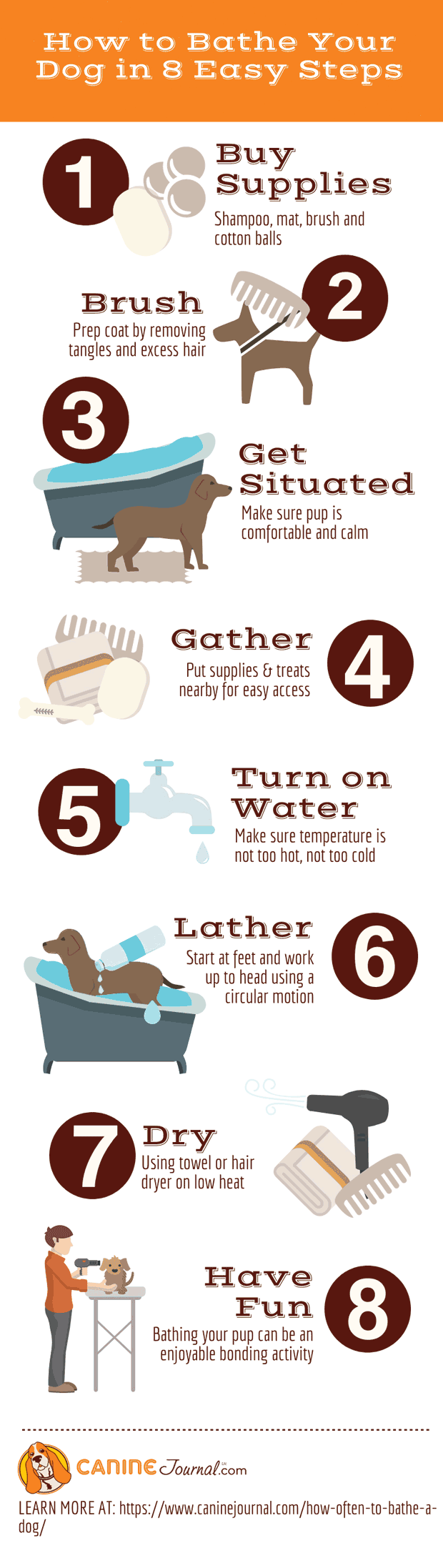
A successful bath begins with a well-prepared space and having everything you need within arm’s reach. Dogs with thick, double coats require thorough cleaning, so setting the stage beforehand can make the process smoother and more efficient. Find a location that provides enough space and a non-slip surface— bathtubs, utility sinks, or outdoor hoses with a sturdy base all work well. Using a rubber mat or towel to prevent slipping will help keep your dog calm and secure during the bath.
Next, gather all your supplies ahead of time. Essential items include a gentle, dog-specific shampoo formulated for thick coats, a high-quality brush or comb suitable for dense fur, towels, and a hairdryer with adjustable heat settings. You might also want to have a spray conditioner or detangler if your dog’s coat tends to mat or tangle easily. Keep a cup or handheld sprayer for rinsing, which offers better control over water flow, especially around sensitive areas like the face and ears. Having everything organized prevents unnecessary interruptions and reduces stress for your dog.
Additionally, consider preparing treats or praise to reward your pup throughout the process. Bathing a dog with a thick undercoat can take time, and positive reinforcement helps make the experience more enjoyable. If your dog is nervous or sensitive, having a calming spray or playing soft music can also help ease anxiety. Remember, patience is key— a calm, prepared environment makes it easier to thoroughly clean and rinse without rushing or causing discomfort.
Brushing and Detangling the Thick Undercoat Before Washing
Before you even turn on the water, it’s crucial to thoroughly brush and detangle the dog’s coat. Thick undercoats tend to trap dirt, debris, and loose fur, which can lead to mats and skin issues if not properly managed. A high-quality undercoat rake or slicker brush designed for dense fur is your best tool here. Start gently at the skin level, working in sections to loosen loose hair and remove tangles. This process not only makes washing more effective but also reduces the amount of loose fur shed during and after the bath.
Pay special attention to areas prone to matting, such as behind the ears, under the legs, around the collar, and the tail base. Use a wide-tooth comb for detangling stubborn knots, and be patient— pulling or tugging can cause pain or skin irritation. Regular brushing also stimulates blood flow and distributes natural oils, keeping the coat healthy and shiny. For breeds with especially thick or coarse fur, investing in a de-shedding tool can significantly reduce shedding and make the bathing process easier.
Detangling before the bath is essential because once the coat is wet, knots become tighter and much harder to work through. By removing as many tangles and loose hair as possible beforehand, you ensure a deeper, more thorough clean, and you prevent mats from forming during drying. Remember, gentle handling during brushing builds trust with your dog, turning what could be a stressful chore into a positive bonding experience.
Choosing the Right Dog Shampoo and Water Temperature for Thick-Coated Breeds
Selecting the appropriate shampoo is essential when bathing a dog with a thick undercoat. Look for a gentle, dog-specific shampoo that’s formulated to penetrate through double coats without stripping natural oils. Many products designed for double-coated breeds contain ingredients that help loosen dirt and excess undercoat fur while nourishing the skin. Avoid harsh shampoos meant for humans, as they can cause dryness and irritation. If your dog has skin sensitivities or allergies, opt for hypoallergenic or medicated shampoos recommended by your veterinarian.
Water temperature plays a significant role in the comfort and effectiveness of the bath. Lukewarm water, around 90–100°F (32–38°C), is ideal—hot water can dry out the skin and cause discomfort, while cold water may not clean thoroughly. Proper temperature helps open the hair cuticles and skin pores, allowing the shampoo to penetrate deeper into the dense undercoat and remove trapped dirt and oil. Always test the water with your wrist or elbow before bathing to ensure it’s comfortable for your dog.
Additionally, consider using a conditioner or coat spray after shampooing, especially if your dog’s coat is prone to tangles or matting. These products can help smooth the coat, reduce static, and make brushing easier. Remember, patience with water temperature and choosing the correct shampoo tailored for dense coats will lead to a more comfortable, effective bath, leaving your dog feeling fresh and well cared for.
Proper Washing Technique to Effectively Clean and Rinse the Undercoat
When washing a dog with a thick undercoat, it’s crucial to focus on thorough and gentle cleaning. Start by applying the shampoo at the neck and work your way down, massaging gently to create a lather that penetrates the dense fur. Use your fingers or a soft brush to distribute the shampoo evenly, paying particular attention to areas where dirt and oils tend to accumulate, such as the chest, belly, and behind the ears. It’s important to be patient and thorough—don’t rush through the lathering process, as proper cleaning directly impacts coat health and comfort.
Work the shampoo into the undercoat with gentle, circular motions, making sure to reach the skin’s surface. For breeds with particularly dense or coarse fur, you may need to use your hands to gently part the fur and ensure the shampoo reaches the skin. Avoid scrubbing too vigorously, as this can irritate sensitive skin or cause discomfort. For best results, let the shampoo sit for a few minutes to loosen dirt and excess oils, especially in the dense undercoat, before thoroughly rinsing.
Rinsing is arguably the most critical part of cleaning a thick-coated dog. Use a handheld sprayer or a cup to carefully rinse all the shampoo out— linger on the undercoat to prevent residue that can cause itching or irritation. Make sure no suds or shampoo remnants remain, as these can lead to dryness and skin issues. A multiple-pass rinse with plenty of water ensures the coat is clean and free of soap, which is vital for maintaining a healthy, fluffy coat that’s free of mats and debris.
Drying Methods and Tips for Maintaining a Healthy, Fluffy Coat
Once the bath is complete, proper drying is key to maintaining your dog’s coat health and appearance. Towel drying is the first step— gently press and pat the coat to absorb excess moisture, being careful not to rub vigorously, which could cause mats or tangles. For dogs with thick undercoats, towels alone might not be enough to fully dry the coat, especially in colder weather. In such cases, a blow-dryer set to a low, cool, or warm setting can help expedite drying and fluff up the coat.
When using a hairdryer, keep the airflow at a safe distance—about 6 to 12 inches from the fur—and move the dryer continuously to avoid overheating any one area. Use your fingers or a brush to help lift and separate the undercoat while drying, encouraging fluffiness and preventing mats from forming. It’s important to be gentle and patient, especially around sensitive areas like the face or ears. If your dog shows signs of anxiety or discomfort with the noise, gradually introduce the dryer at lower settings or use alternative drying methods.
Finally, ensure the coat is completely dry before going outside or allowing your dog to rest. A damp undercoat can lead to chilling or skin infections, especially in colder climates. Regular brushing after drying helps maintain a healthy, fluffy coat, distributes natural oils, and reduces shedding. With consistent, gentle drying methods and proper coat maintenance, your dog will enjoy a clean, comfortable, and well-kept appearance that highlights their beautiful thick coat.
Conclusion
Bathing a dog with a thick undercoat requires patience, the right tools, and proper techniques to ensure a clean, healthy, and comfortable coat. From preparing your space and gathering supplies to brushing thoroughly beforehand, selecting suitable shampoos, and mastering washing and drying methods—each step plays a vital role in keeping your furry friend happy and healthy. Remember to be gentle and methodical, prioritizing your dog’s comfort throughout, and you’ll turn bath time into a bonding experience rather than a chore.
A well-maintained, fluffy coat isn’t just about appearance; it’s a reflection of your dog’s overall health. Regular grooming, proper bathing routines, and attentive drying help prevent mats, skin issues, and excessive shedding. So next time you prepare for bath time, consider these expert tips and embrace the opportunity to care for your dog’s beautiful, double-layered coat—making every bath a step toward their happiness and well-being.